
 EN
EN  English
 Português



If a brake chamber push rod not moving when the brakes are applied, the most likely causes are a seized or corroded push rod, a broken or missing clevis pin, a failed slack adjuster, insufficient air pressure, or a ruptured internal diaphragm. In every one of these cases, the wheel served by that chamber is not generating braking force, and the vehicle should be taken out of service immediately until the fault is located and repaired. This guide walks through every major cause, how technicians safely test for the problem, step-by-step repair procedures, compliance risks, and a full preventive maintenance schedule to stop the problem from recurring.
Content
- What a Brake Chamber Push Rod Does and Why It Sometimes Stops Moving
- Top Causes of a Stuck or Immobile Push Rod
- How to Diagnose a Stuck Push Rod Safely
- Spring Brake vs Service Brake: Where the Problem Usually Hides
- Step-by-Step Repair Process
- Safety and Compliance Risks of Ignoring the Problem
- Preventive Maintenance to Avoid Future Push Rod Issues
- Frequently Asked Questions
- Can I drive if one brake chamber push rod is not moving?
- How much does it cost to fix a stuck push rod?
- Is a stuck push rod the same as a frozen brake in winter?
- How often should push rod stroke be checked?
- Can a stuck push rod cause an accident?
- Do automatic slack adjusters eliminate this problem entirely?
- Conclusion
What a Brake Chamber Push Rod Does and Why It Sometimes Stops Moving
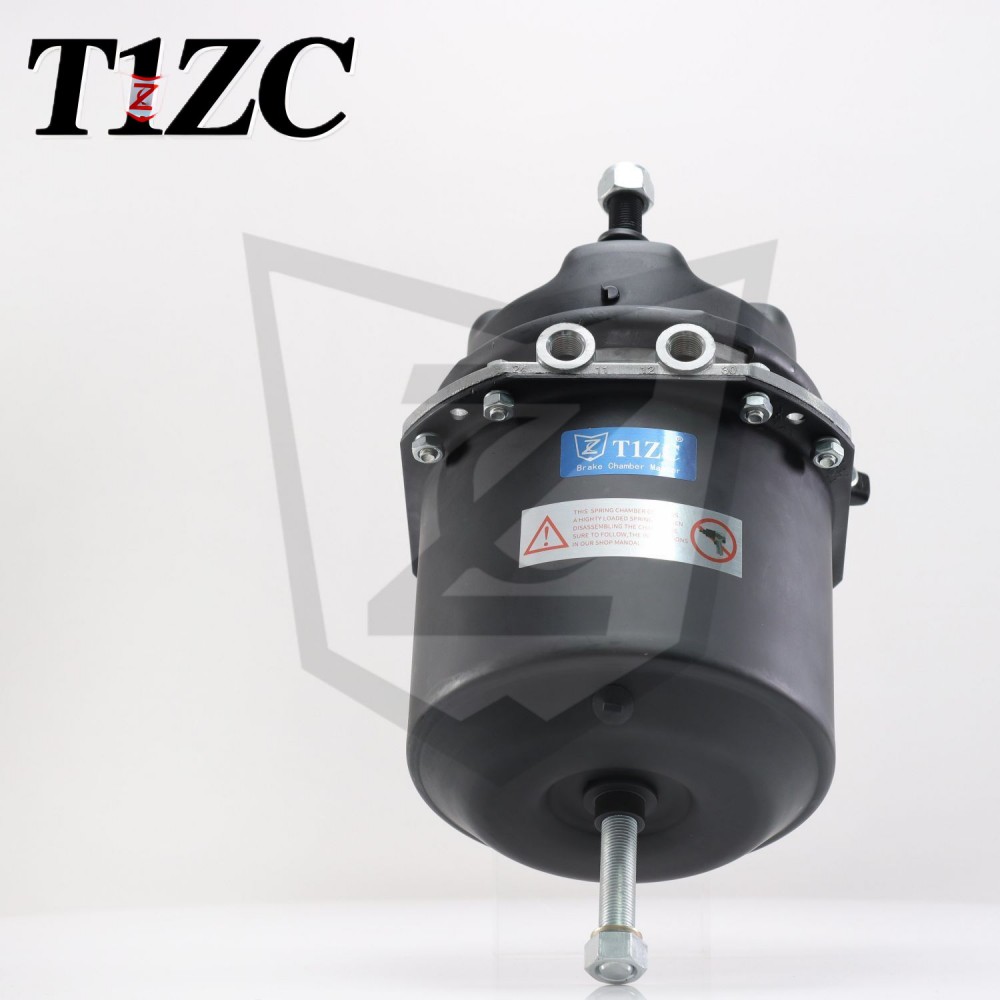
The push rod is the mechanical link that transfers air pressure into physical braking force, and when it stops moving, that force never reaches the brake shoes or pads. Inside a standard air brake chamber, compressed air enters one side of a rubber diaphragm. As pressure builds, the diaphragm pushes a steel plate, which drives the push rod outward. The push rod then rotates the slack adjuster, which turns the camshaft, which spreads the brake shoes against the drum. If any single link in that chain seizes, corrodes, or breaks, the entire wheel-end braking function is lost, even though every other wheel on the vehicle may be functioning normally.
This is why a single stuck push rod is disproportionately dangerous. Unlike a worn brake pad, which reduces stopping power gradually, a completely immobile push rod removes stopping power at that wheel entirely and instantly shifts extra braking load to the remaining wheels, which can cause pulling, imbalance, and premature wear elsewhere on the vehicle.
Push Rod Behavior in Service Brakes vs Spring Brakes
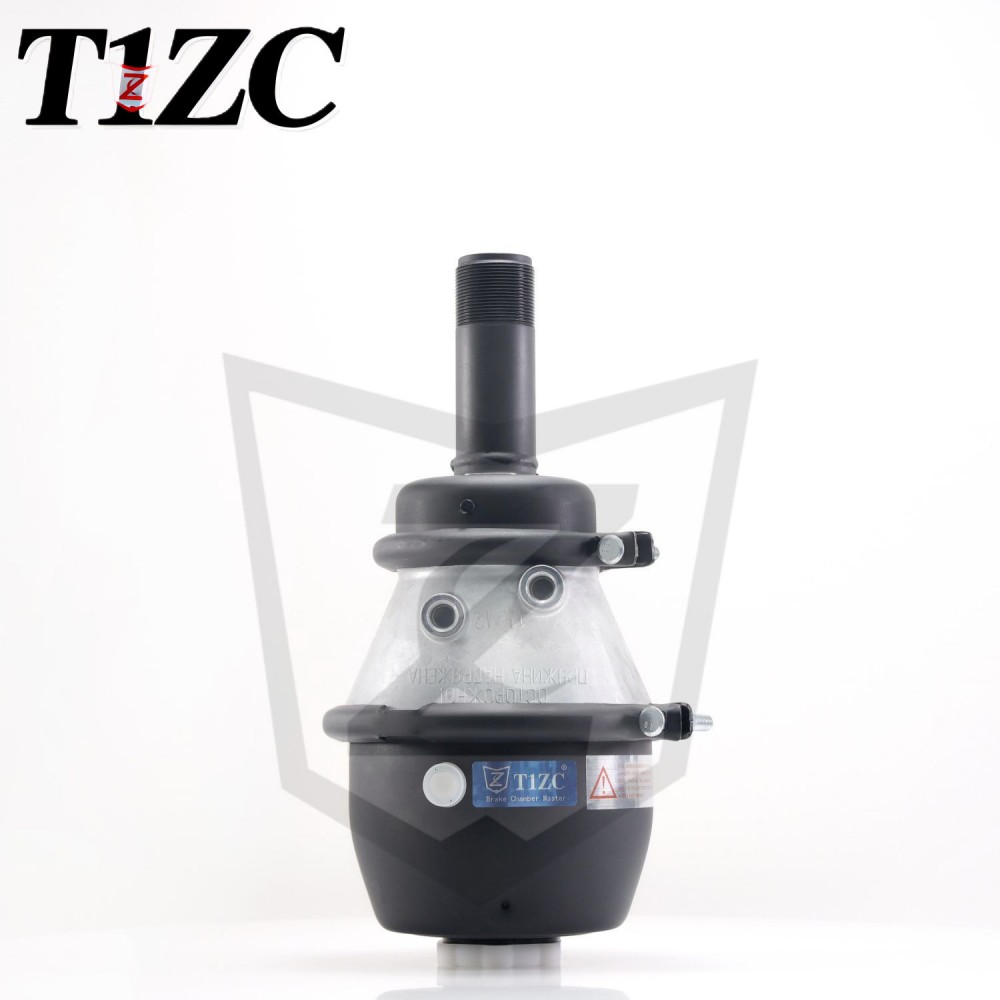
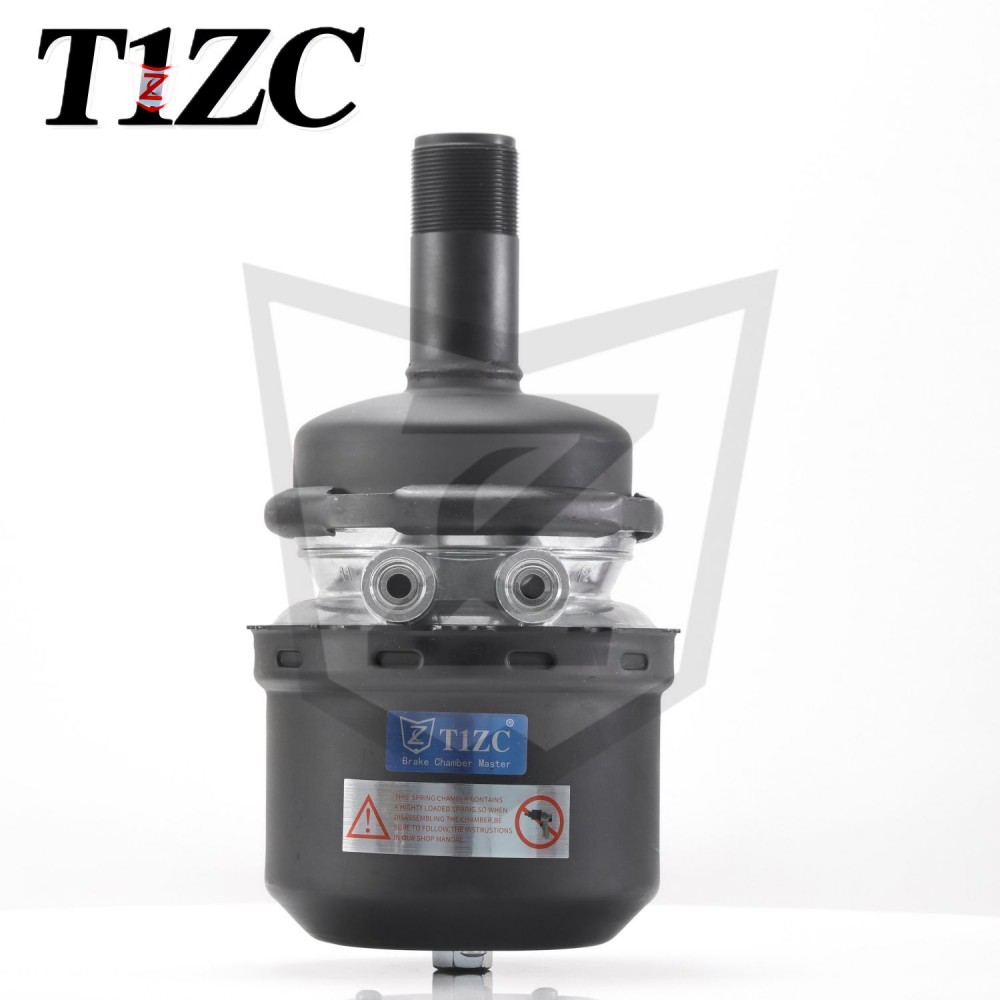
Service brake chambers use air pressure to extend the rod on every pedal application, while spring brake chambers use a caged mechanical spring that is held back by air and only extends the rod when air pressure is released or lost. Because service chambers cycle thousands of times more often than spring chambers, they account for the majority of push rod problems reported in fleet maintenance logs, though spring brake seizure is far more dangerous because it can prevent a parking brake from releasing or applying correctly.
Top Causes of a Stuck or Immobile Push Rod
Corrosion between the push rod and the chamber clevis is the single most common cause, followed by seized slack adjusters and low system air pressure. The table below ranks the leading causes by how often technicians report encountering them in commercial fleet maintenance records, along with typical repair time.
| Cause | How It Blocks Movement | Typical Repair Time |
| Rust or corrosion on rod | Rod binds inside the chamber bore or clevis | 30–60 minutes |
| Seized slack adjuster | Adjuster gear will not rotate the camshaft | 1–2 hours |
| Broken clevis pin | Rod disconnects from the slack adjuster fork | 20–40 minutes |
| Ruptured diaphragm | Chamber cannot build pressure to push the rod | 1–1.5 hours |
| Low system air pressure | Insufficient force to extend the rod fully | Varies (leak-dependent) |
| Frozen moisture in winter | Ice locks the rod against the chamber housing | 10–30 minutes (thaw and dry) |
| Bent or misaligned rod | Rod cannot travel straight through the bore | 1–2 hours (chamber replacement) |
| Debris or road grime buildup | Packed dirt restricts rod travel at the clevis | 15–30 minutes |
Table 1: Common causes of a non-moving brake chamber push rod, ranked by frequency reported in fleet maintenance logs.
Corrosion and Rust
Corrosion is the leading cause because push rods sit directly beneath the chassis, constantly exposed to road salt, moisture, and airborne grit. Vehicles operating in coastal areas or regions that use heavy road salt during winter consistently show a higher rate of chamber-related brake defects during roadside inspections. According to the Federal Motor Carrier Safety Administration (FMCSA), an "inoperative brake" is classified as an out-of-service condition under 49 CFR §393.48, and corrosion-locked push rods are among the most frequently cited examples inspectors document (fmcsa.dot.gov).
Slack Adjuster Failure
A seized slack adjuster prevents the camshaft from rotating even when the push rod itself is perfectly intact, which is why the two parts must always be inspected together rather than in isolation. Automatic slack adjusters, or ASAs, reduce the frequency of manual misadjustment compared to older manual adjusters, but they are not immune to internal gear seizure. Most axle and brake component manufacturers recommend inspecting ASAs for free rotation and internal wear between 150,000 and 200,000 miles of service, depending on duty cycle and operating environment.
Low or Interrupted Air Supply
If the air line feeding the chamber is kinked, cracked, or the compressor is undercharging the system, the push rod may appear stuck simply because it is never receiving enough pressure to move at all. This is a supply-side problem rather than a mechanical seizure, and it is one of the easiest issues to misdiagnose because the symptom looks identical from outside the chamber. Technicians confirm this by checking the dash-mounted air-pressure gauge, which should read between 100 and 125 psi on most Class 6 through Class 8 commercial systems once the engine has built full pressure.
Ruptured or Torn Diaphragm
A torn diaphragm allows air to leak past the seal instead of building pressure against the push plate, so the rod either does not move or moves only partially before losing force. This failure is usually accompanied by an audible hissing sound near the chamber housing when the brakes are applied, and it typically requires full chamber replacement rather than an internal repair, since diaphragms are not designed to be serviced separately in most modern chamber assemblies.
Bent Push Rods and Physical Damage
Impact damage from road debris, curbs, or improper jacking can bend the push rod just enough that it binds against the inside of the chamber bore. Even a slight bend, sometimes as small as a few degrees, is enough to create friction that a diaphragm cannot overcome, particularly at lower air pressures. Bent rods are not straightened and reused; the entire chamber assembly is replaced to avoid the risk of a secondary failure under load.
How to Diagnose a Stuck Push Rod Safely
Diagnosis begins with chocking the wheels, releasing residual system pressure where required, and performing a manual push-rod stroke check with the engine off. This procedure should only be performed by a qualified technician, since spring brake chambers store significant mechanical energy that can cause serious injury if handled incorrectly.
- Park on level ground, chock the wheels, and engage the parking brake before beginning any inspection.
- Build air pressure to governor cut-out, typically around 120 to 130 psi, then shut off the engine.
- Have a second person apply and hold the brake pedal firmly from inside the cab.
- Mark the push rod at the point where it exits the chamber face using chalk or a paint marker.
- Measure the stroke distance as the pedal is applied and compare it against the chamber's stamped maximum stroke limit, typically between 1.75 and 2.5 inches depending on chamber size.
- If the rod does not move at all, inspect the clevis pin, slack adjuster, chamber mounting bolts, and air line fittings for damage, disconnection, or seizure.
- Release the brake pedal and confirm the rod fully retracts; a rod that stays extended after release points to a broken return spring or an internal chamber failure rather than a supply issue.
- Repeat the test at each wheel end to rule out a system-wide pressure problem versus an isolated mechanical fault.
Tools Typically Needed for Diagnosis
- Wheel chocks and jack stands rated for the vehicle's gross axle weight.
- A calibrated brake stroke gauge or ruler marked in eighths of an inch.
- A dash-mounted or portable air pressure gauge for cross-referencing system pressure.
- Penetrating lubricant and a wire brush for surface corrosion checks.
- A flashlight or inspection light for viewing the clevis and slack adjuster from underneath.
- A spring brake caging tool, required any time work is performed near or on a spring brake chamber.
Warning Signs to Watch For Before a Full Inspection
- Vehicle pulls noticeably to one side under braking.
- Uneven or accelerated tire wear on one axle compared to the others.
- A continuous hissing air leak near one of the brake chambers.
- Visible rust streaks or flaking corrosion around the clevis or yoke assembly.
- Longer-than-normal stopping distances reported by the driver.
- A grinding or clicking noise from one wheel end during brake application.
- Warning lights on the dash related to low air pressure or ABS faults.
Spring Brake vs Service Brake: Where the Problem Usually Hides
Push rod problems are more common in service brake chambers than in spring brake sections, simply because the service side cycles far more frequently during normal driving. The comparison below outlines the practical differences technicians rely on when isolating which side of a dual chamber is at fault.
| Feature | Service Brake Chamber | Spring Brake Chamber |
| Actuation source | Air pressure applied by the pedal | Mechanical spring, released by air |
| Cycle frequency | Very high, every brake application | Low, parking use only |
| Common failure mode | Diaphragm wear, corrosion | Caged spring seizure, seal failure |
| Risk if push rod sticks | Loss of service braking at that wheel | Parking brake may not release or apply |
| Required safety precaution | Standard lockout before service | Mandatory caging tool before service |
Table 2: Comparison of service brake and spring brake chambers regarding push rod behavior and failure risk.
Step-by-Step Repair Process
Most stuck push rods are repaired by safely releasing trapped mechanical energy, freeing or replacing the seized component, lubricating the linkage, and re-testing stroke length before returning the vehicle to service. The repair generally follows this order.
- Cage the spring brake, if applicable, using a proper caging tool to prevent an accidental and dangerous spring release.
- Remove the clevis pin and inspect it, along with the slack adjuster fork, for wear, elongation, or corrosion.
- Clean the push rod with a wire brush and apply penetrating lubricant if surface rust is identified as the primary cause.
- Replace the slack adjuster outright if internal gears are seized, rather than attempting a partial field repair.
- Replace the entire chamber assembly if the diaphragm is ruptured or the housing is cracked, since chambers are generally not field-rebuildable components.
- Reassemble the linkage and apply a light coat of high-temperature grease to the clevis pin before reinstalling.
- Reconfirm stroke length against the manufacturer's specification using the same measurement procedure from the diagnostic stage.
- Uncage the spring brake only after confirming the service brake operates correctly through a full stroke cycle.
- Road test the vehicle at low speed in a controlled area before returning it to normal operation.
Estimated Repair Cost Breakdown
Repair costs scale directly with how much of the assembly needs replacement rather than simple lubrication or cleaning. The figures below reflect typical commercial shop rates in the United States as of 2026 and will vary by region and vehicle class.
| Repair Type | Parts Cost | Labor Cost | Total Estimate |
| Clevis pin replacement | $5–$15 | $60–$100 | $65–$115 |
| Cleaning and lubrication | $10–$20 | $50–$90 | $60–$110 |
| Slack adjuster replacement | $80–$150 | $100–$180 | $180–$330 |
| Full chamber replacement | $120–$250 | $130–$220 | $250–$470 |
Table 3: Approximate repair cost ranges for common push rod and chamber repairs, based on typical U.S. commercial shop labor rates.
Safety and Compliance Risks of Ignoring the Problem
Driving with a non-functioning brake chamber push rod is classified as an out-of-service violation under federal safety rules and measurably increases stopping distance. Data published from CVSA's annual Brake Safety Week enforcement campaigns has repeatedly shown that brake-related defects, including chamber and push rod issues, account for a large share of all out-of-service violations found on inspected commercial vehicles, with brake violations consistently ranking as the top vehicle-related out-of-service category during International Roadcheck events (CVSA International Roadcheck Results, cvsa.org).
A single non-functioning wheel-end brake on a multi-axle truck does more than reduce total braking power. It creates an imbalance across the axle, which can pull the vehicle to one side during hard braking and significantly increases the risk of jackknifing on wet, icy, or loose-surface roads, particularly for tractor-trailer combinations operating at or near maximum gross weight.
Regulatory Reference Points
- 49 CFR §393.48 requires all brakes on a commercial motor vehicle to be operative and free of any condition that interferes with their proper function.
- 49 CFR §393.52 sets minimum performance standards for braking systems, including maximum allowable push rod stroke by chamber type and size.
- State-level roadside inspections generally follow the North American Standard Out-of-Service Criteria published annually by the Commercial Vehicle Safety Alliance.
- Fleet operators are required to document brake system inspections as part of routine driver vehicle inspection reports, or DVIRs, under FMCSA recordkeeping rules.
Preventive Maintenance to Avoid Future Push Rod Issues
Regular lubrication, moisture control, and scheduled slack adjuster inspections prevent the large majority of push rod seizures before they ever become a roadside failure. A consistent maintenance schedule is far less expensive than emergency repairs or missed delivery windows caused by an out-of-service violation.
- Perform a visual brake inspection at every pre-trip and post-trip check, focusing on visible corrosion and rod alignment.
- Measure full push-rod stroke every 12,000 miles or at each scheduled preventive maintenance service, whichever comes first.
- Apply anti-corrosion lubricant to exposed rods and clevis points before the start of winter driving season.
- Replace air dryer cartridges on schedule to reduce moisture entering the chambers and air lines.
- Confirm automatic slack adjuster function during every annual DOT inspection and after any brake component replacement.
- Wash the undercarriage regularly in regions with heavy road salt use to slow the buildup of corrosion around brake hardware.
- Train drivers to report unusual pulling, noise, or air leaks immediately rather than waiting for a scheduled service interval.
Common Mistakes That Lead to Repeat Failures
- Lubricating the visible push rod but ignoring the internal slack adjuster bushings, which corrode at the same rate.
- Reusing a worn clevis pin instead of replacing it during a chamber or slack adjuster service.
- Skipping stroke measurement after a repair, which can leave the rod out of specification even though it now moves freely.
- Failing to inspect the opposite side of a dual-wheel axle after finding one stuck push rod, since both sides are exposed to the same environmental conditions.
Frequently Asked Questions
Can I drive if one brake chamber push rod is not moving?
No. A stuck push rod means that wheel is not braking at all, which is classified as an out-of-service condition under federal safety regulations, and the vehicle should not be driven until the fault is fully repaired and stroke length is verified.
How much does it cost to fix a stuck push rod?
Costs typically range from about $65 for a simple clevis pin replacement up to $470 for a full chamber replacement, depending on the root cause, parts required, and local labor rates.
Is a stuck push rod the same as a frozen brake in winter?
Not always. A frozen brake is usually caused by trapped moisture turning to ice inside the chamber or drum, while a stuck push rod can also result from corrosion, mechanical seizure, physical damage, or a broken component that has nothing to do with temperature.
How often should push rod stroke be checked?
Most fleet maintenance programs check stroke length monthly or every 12,000 miles, in addition to mandatory checks during annual DOT inspections and after any brake component service.
Can a stuck push rod cause an accident?
Yes. A stuck push rod removes braking force at that wheel entirely, which increases total stopping distance, creates braking imbalance across the axle, and raises the risk of pulling or jackknifing, particularly under hard braking or on slippery road surfaces.
Do automatic slack adjusters eliminate this problem entirely?
No. Automatic slack adjusters reduce the risk of manual misadjustment, but their internal gears can still seize due to corrosion, contamination, or age, so they still require periodic inspection even though they are self-adjusting.
Conclusion
A brake chamber push rod that is not moving is a serious mechanical failure, not a minor adjustment issue, and it should always be treated as an immediate safety concern rather than something to monitor over time. Whether the root cause is corrosion, a seized slack adjuster, a broken clevis pin, a ruptured diaphragm, or low air pressure, the vehicle should be taken out of service, tested using a proper stroke measurement procedure, and repaired before it returns to the road. Consistent preventive maintenance, particularly regular lubrication, stroke checks, and corrosion control, remains the most effective and least expensive way to avoid this failure altogether, protecting both the vehicle's compliance status and the safety of everyone on the road around it.