

 EN
EN  English
 Português
Application Industry
AGV

Automated robots
laser cutting

Logistics sorting

Photovoltaic power-station
Medical devices
How Do Disc Brake Chambers Differ from Other Brake Chambers?
Brake chambers play a vital role in ensuring the smooth and safe operation of braking systems in various vehicles, particularly in commercial trucks and heavy machinery. While brake chambers generally serve the same purpose—helping to convert air pressure into mechanical force—there are several types, including disc brake chambers and others like drum brake chambers.
Content
What Are Disc Brake Chambers?
Disc brake chambers are specialized components designed for use in vehicles with air disc brake systems. These chambers utilize a diaphragm to convert compressed air into a mechanical force that applies pressure to the brake pads, creating friction against the brake rotor to slow down or stop the vehicle.
Key Features of Disc Brake Chambers
- Air-Operated: Disc brake chambers are powered by compressed air, making them efficient in large-scale commercial and heavy-duty applications.
- High-Performance Design: Disc brake systems generally offer superior stopping power and quicker response times than drum brakes.
- Durability: The design of disc brake chambers ensures long-term durability, especially under high stress and heavy use.
How Do Disc Brake Chambers Compare to Other Brake Chambers?
Comparing Disc Brake Chambers and Drum Brake Chambers
| Feature | Disc Brake Chambers | Drum Brake Chambers |
|---|---|---|
| Design | Disc brake chambers use a rotor and brake pad system. | Drum brake chambers operate with shoes and a drum system. |
| Performance | Faster response time and better heat dissipation, improving overall braking efficiency. | Slower response time, more heat buildup, and less efficient braking under heavy loads. |
| Durability | Longer-lasting and resistant to wear and tear. | Prone to wear due to friction between the shoes and drum surface. |
| Maintenance | Requires less maintenance due to the reduced buildup of heat and less wear. | Higher maintenance, as drums need to be periodically cleaned and adjusted. |
Applications of Disc Brake Chambers
Disc brake chambers are primarily used in commercial trucks, buses, and heavy machinery where performance, safety, and durability are critical. They are designed to withstand the intense demands of frequent stopping and heavy braking.
Applications of Drum Brake Chambers
While less common in modern vehicles, drum brake chambers are still used in some light trucks and older vehicle models. They are often seen in rear axle systems where stopping power is not as critical, or in cost-sensitive applications.
Frequently Asked Questions (FAQ)
1. Why are disc brake chambers preferred over drum brake chambers?
Disc brake chambers offer better performance, durability, and lower maintenance compared to drum brakes. They are also more effective at dissipating heat, which improves braking efficiency, especially in high-demand scenarios like commercial trucking.
2. Can I replace a disc brake chamber with a drum brake chamber?
No, disc brake systems require specific components like disc brake chambers for proper operation. Replacing them with drum brake chambers could compromise vehicle safety and performance.
3. What are the signs that my disc brake chambers need maintenance?
- Reduced braking performance.
- Air leaks from the brake chamber.
- Uneven brake wear.
If you notice any of these issues, it’s essential to have the brake chambers inspected and serviced promptly to maintain vehicle safety.
Conclusion: Which Brake Chamber is Right for Your Vehicle?
Choosing between disc brake chambers and drum brake chambers depends on the specific requirements of your vehicle and its intended use. For vehicles that demand high-performance braking, such as commercial trucks, air disc brake chambers provide superior safety, durability, and efficiency. On the other hand, drum brake chambers are still a viable option for lighter-duty applications and older vehicles. Understanding the differences between these brake chambers can help you make an informed decision to ensure the safety and reliability of your vehicle's braking system.
Related products
-
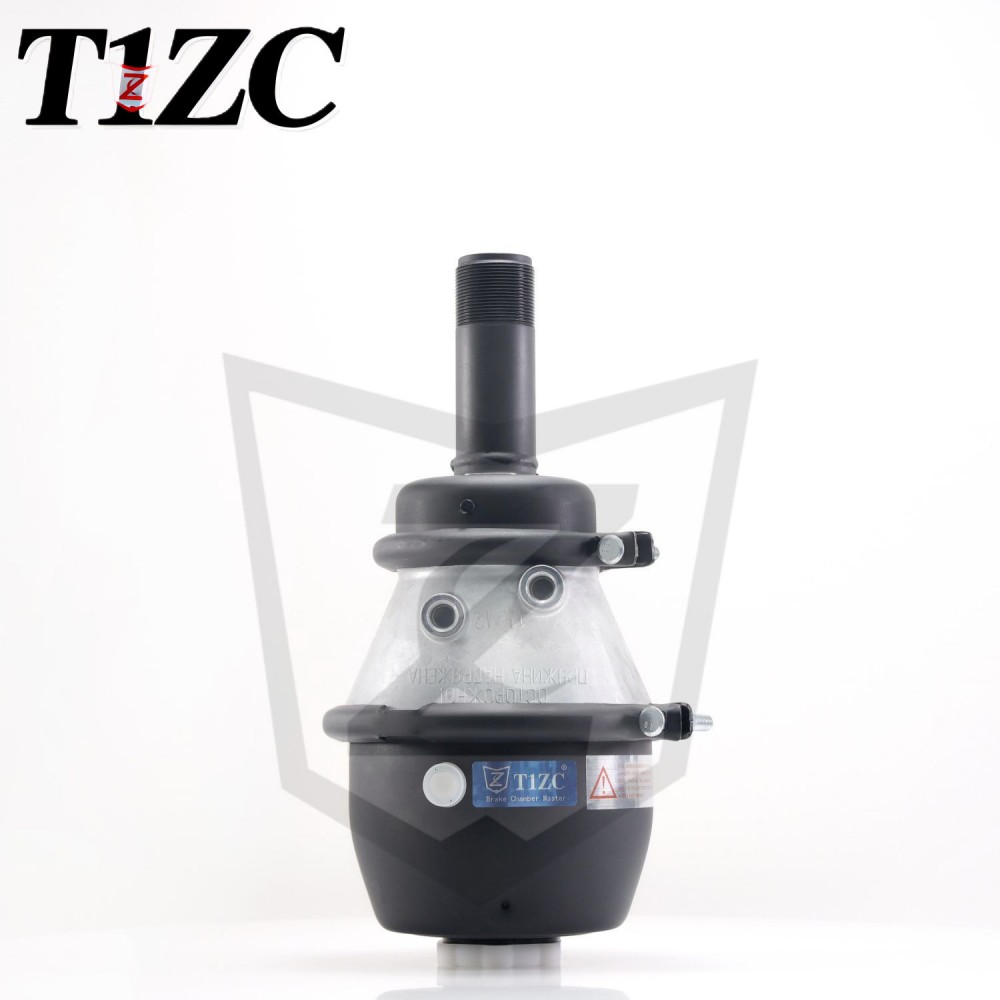
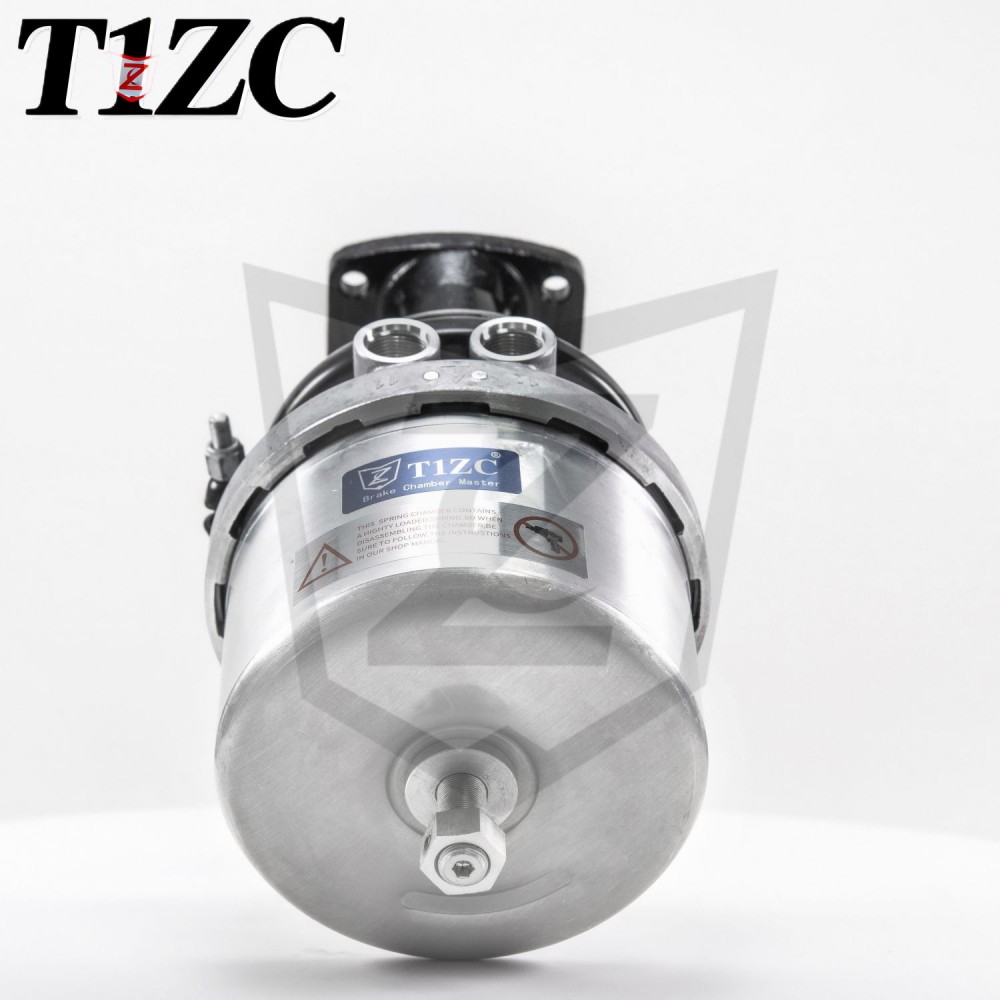
This brake chamber adopts a unique wedge-shaped design, combines advanced braking technology and high-quality materials, and is designed to provide stable, reliable and efficient braking performance t...
See Details -
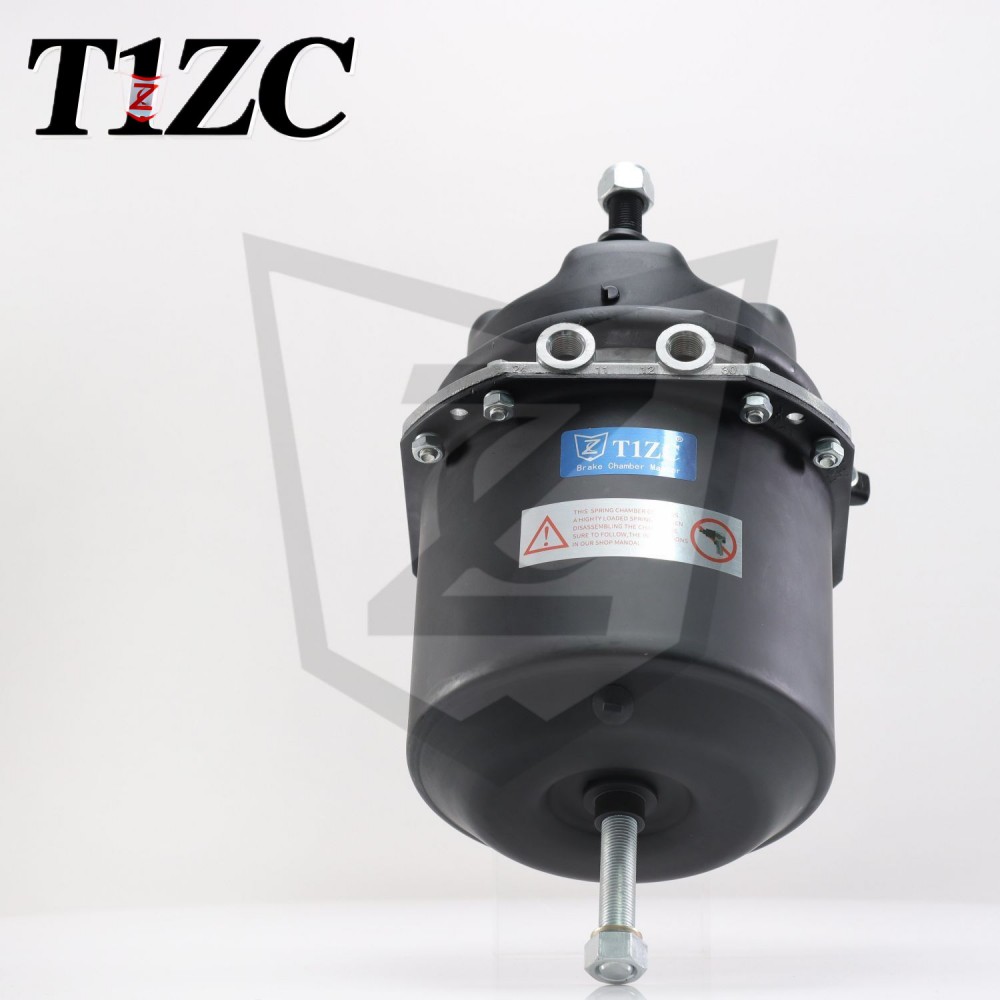
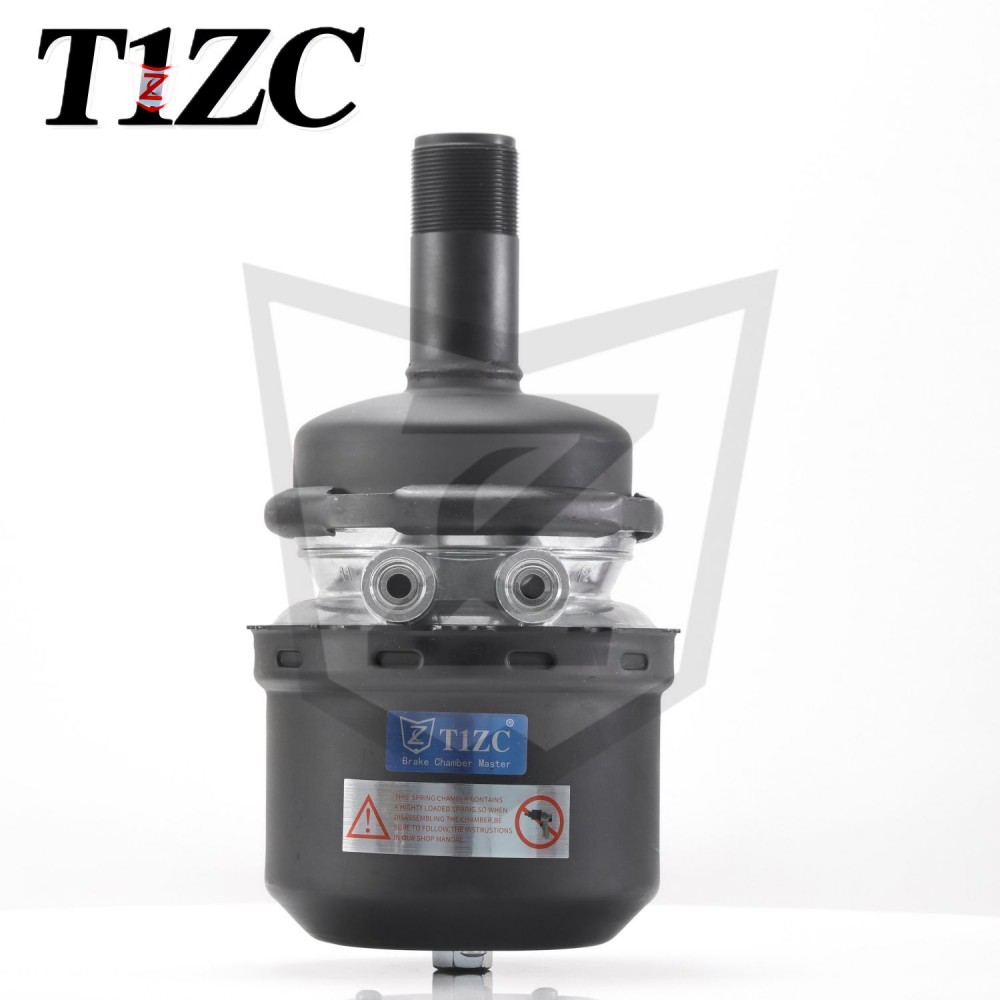
DP WEDGE BRAKE CHAMBER F-Series Regular Release This product is specially designed to meet the market's demand for efficient, stable and reliable braking systems. It uses advanced wedge braking techno...
See Details
CONTACT DETAILS
- Phone: +86-198 1775 0319
- TEL: +86-575 8909 8166
- E-mail: sale@t1zc.cn
- Office Address: 122-2 Busen West Road, Fengqiao Town, Zhuji, Zhejiang, China
If You Are Intrested
In Our Products,
Please Consult Us
Copyright © ZHUJI TEYI IMPORT&EXPORT CO.,LTD. All Rights Reserved.
China Brake Chamber Manufacturers
China Brake Chamber Supplier
