

 EN
EN  English
 Português
Application Industry
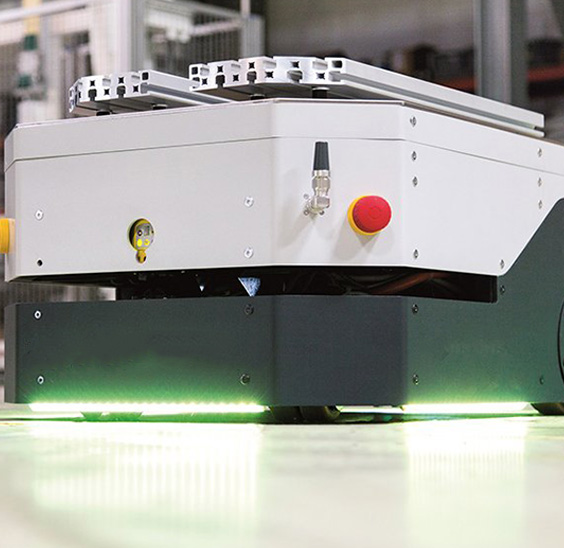
AGV

Automated robots
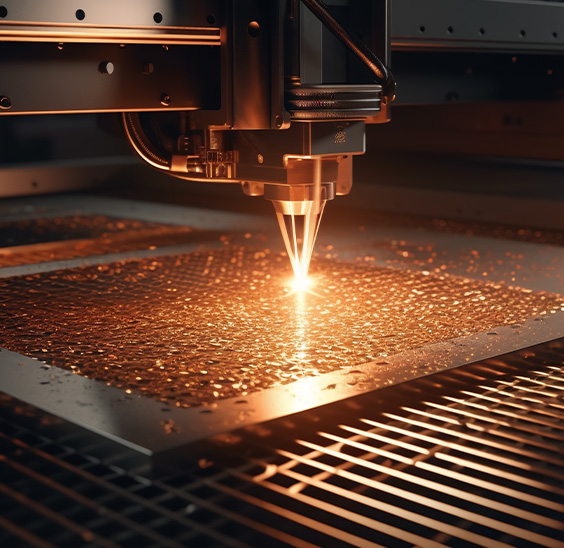
laser cutting

Logistics sorting

Photovoltaic power-station
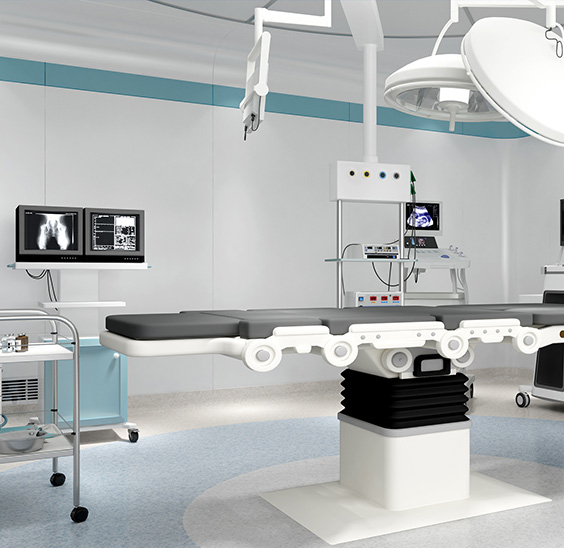
Medical devices
How does a Wedge Brake Chamber compare to other brake chamber types?
In the world of commercial vehicles, brake chambers play a critical role in ensuring safe and reliable braking performance. Among the various types available, the wedge brake chamber stands out for its unique design and functionality.
Content
What Is a Wedge Brake Chamber?
A wedge brake chamber is a type of air brake actuator commonly used in heavy-duty trucks and trailers. Unlike traditional S-cam or diaphragm brake chambers, it uses a wedge mechanism to apply force directly to the brake shoes, resulting in more precise and efficient braking.
Key Features of Wedge Brake Chambers
- High Force Efficiency: The wedge mechanism amplifies the input force, allowing for stronger braking with less air pressure.
- Compact Design: Wedge brake chambers are often smaller and lighter, which can help reduce overall vehicle weight.
- Durability: Their mechanical simplicity reduces wear and tear, extending service life.
- Consistent Performance: They provide uniform brake shoe engagement, which improves safety and reduces uneven pad wear.
Comparison with Other Brake Chamber Types
1. S-Cam Brake Chambers
S-cam brake chambers are the most common type used in commercial vehicles. They use a pushrod to rotate an S-shaped cam, forcing the brake shoes against the drum.
- Pros: Widely available, reliable, easy to service.
- Cons: Slightly less efficient at converting air pressure to braking force compared to wedge brake chambers.
2. Spring Brake Chambers
Spring brake chambers combine service brakes with parking brakes, using a powerful spring for emergency stopping when air pressure fails.
- Pros: Adds safety redundancy and allows for parking brake function.
- Cons: Bulkier and heavier than wedge brake chambers, making them less suitable for applications focused on weight reduction.
3. Diaphragm Brake Chambers
Diaphragm chambers use a flexible diaphragm to convert air pressure into mechanical force for braking.
- Pros: Smooth and reliable operation, good for medium-duty vehicles.
- Cons: Less efficient at force transfer compared to wedge brake chambers, and may require more maintenance over time.
Why Choose a Wedge Brake Chamber?
Wedge brake chambers are particularly beneficial for fleets seeking high braking efficiency, consistent performance, and lower maintenance requirements. Their compact and durable design makes them ideal for heavy-duty applications where safety, reliability, and efficiency are paramount.
Applications
- Heavy-duty trucks and trailers
- Construction and mining vehicles
- Specialty vehicles requiring high braking force in compact spaces
While traditional brake chambers such as S-cam, spring, and diaphragm types remain popular, wedge brake chambers offer distinct advantages in terms of efficiency, durability, and compact design. Choosing the right brake chamber depends on vehicle type, application requirements, and desired maintenance efficiency. For modern c
Related products
-
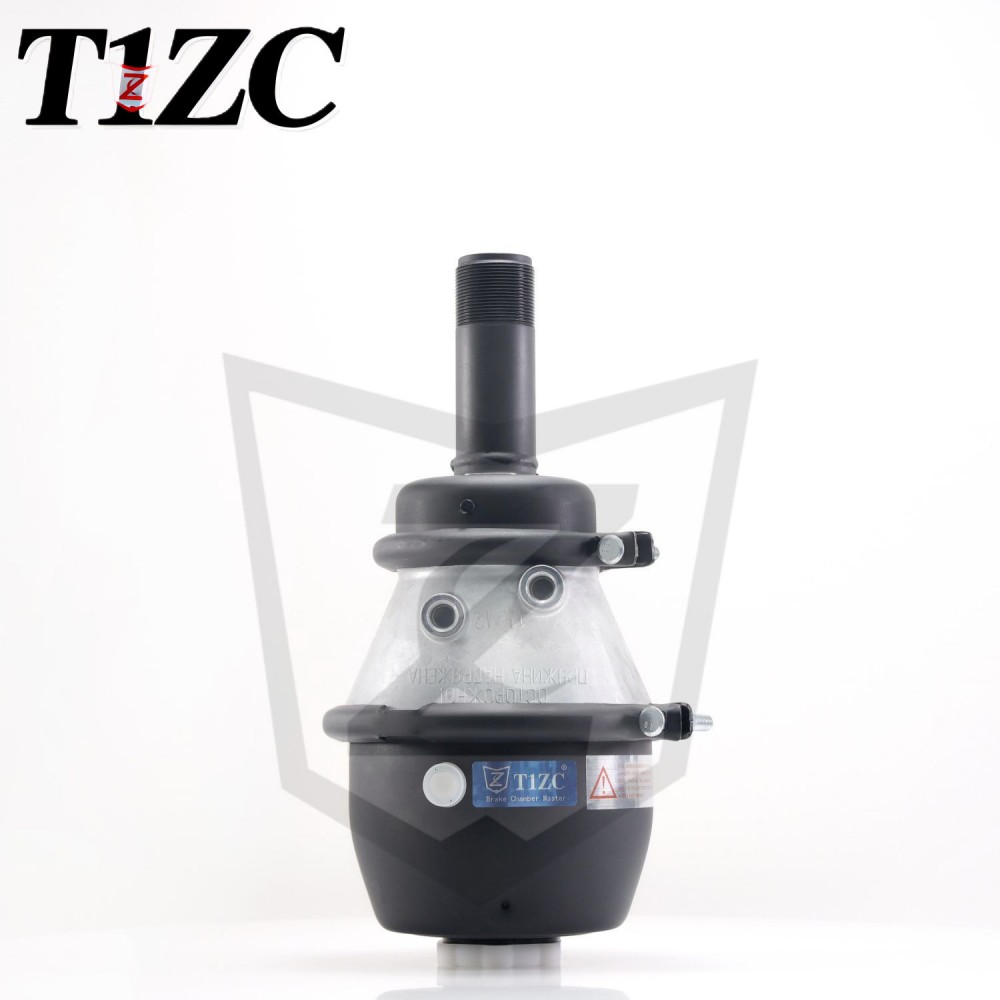
This brake chamber adopts a unique wedge-shaped design, combines advanced braking technology and high-quality materials, and is designed to provide stable, reliable and efficient braking performance t...
See Details -
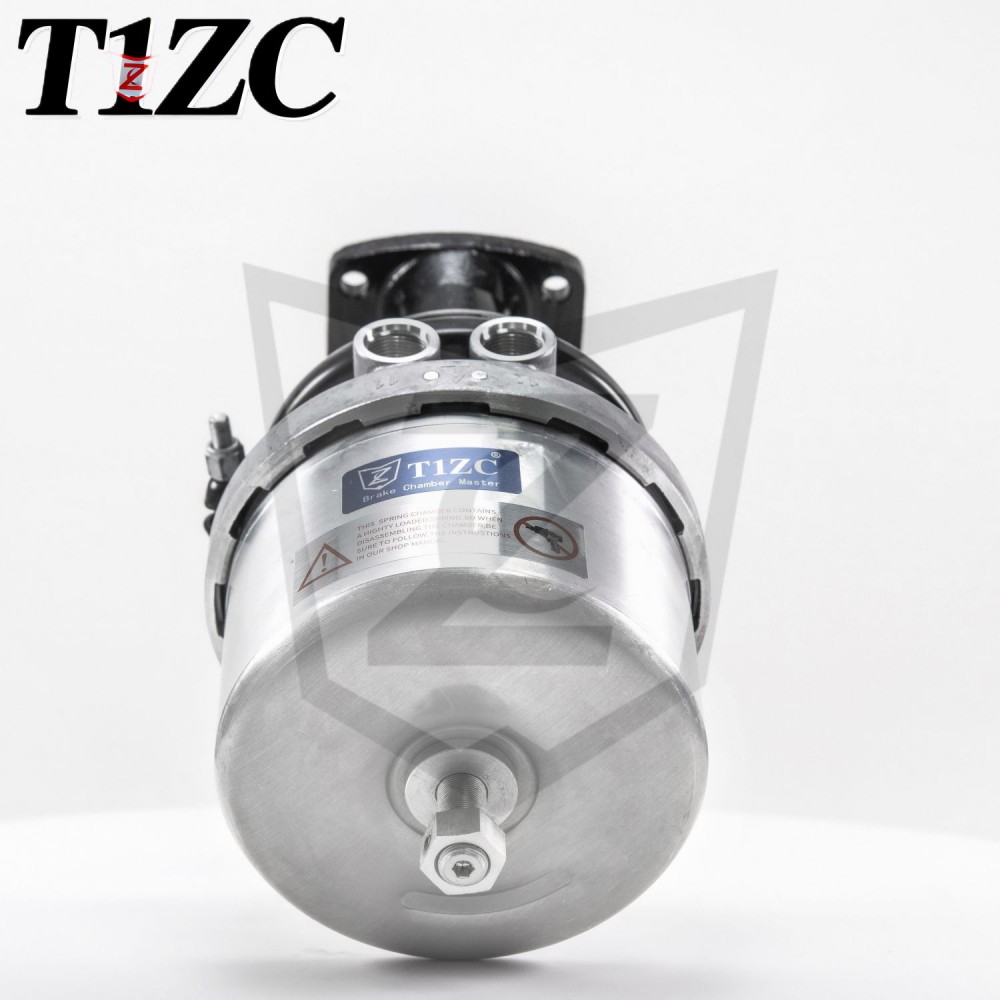
DP WEDGE BRAKE CHAMBER F-Series Regular Release This product is specially designed to meet the market's demand for efficient, stable and reliable braking systems. It uses advanced wedge braking techno...
See Details
CONTACT DETAILS
- Phone: +86-198 1775 0319
- TEL: +86-575 8909 8166
- E-mail: sale@t1zc.cn
- Office Address: 122-2 Busen West Road, Fengqiao Town, Zhuji, Zhejiang, China
If You Are Intrested
In Our Products,
Please Consult Us
Copyright © ZHUJI TEYI IMPORT&EXPORT CO.,LTD. All Rights Reserved.
China Brake Chamber Manufacturers
China Brake Chamber Supplier
