 EN
EN  English
 Português
Home / Blogs / Industry News / How Environmental Conditions Impact the Lifespan of a Disc Brake Chamber


Application Industry
AGV

Automated robots
laser cutting
Logistics sorting

Photovoltaic power-station
Medical devices
How Environmental Conditions Impact the Lifespan of a Disc Brake Chamber
A Disc Brake Chamber is a crucial component in commercial vehicle braking systems, directly affecting braking efficiency and overall safety. Understanding how environmental conditions influence its lifespan helps operators and fleet managers make informed decisions about maintenance, replacement schedules, and operational practices.
Content
- Strong Environmental Factors Affecting Disc Brake Chamber Lifespan
- Comparative Analysis of Environmental Impacts
- Best Practices to Extend Disc Brake Chamber Lifespan
- Frequently Asked Questions (FAQ)
- 1. Can extreme weather really shorten a Disc Brake Chamber's life?
- 2. How often should I inspect the chamber in corrosive environments?
- 3. Does vehicle type affect environmental impact on the chamber?
- 4. Can protective coatings significantly extend lifespan?
- 5. What is the average lifespan of a Disc Brake Chamber under normal conditions?
- Conclusion
Strong Environmental Factors Affecting Disc Brake Chamber Lifespan
Several environmental conditions can accelerate wear, corrosion, or mechanical failure in a Disc Brake Chamber. The key factors include temperature extremes, humidity, road chemicals, and dust exposure.
1. Temperature Extremes
- High Temperatures: Prolonged exposure to high heat can degrade diaphragm materials and lubricants inside the chamber, leading to reduced responsiveness and premature failure.
- Low Temperatures: Freezing conditions can cause moisture accumulation in the air system, leading to ice formation and potential diaphragm cracks.
2. Humidity and Moisture
- High Humidity: Increases the risk of internal and external corrosion, especially in chambers made of untreated metals.
- Water Ingress: Water entering the chamber can reduce air pressure efficiency and accelerate component wear.
3. Corrosive Road Conditions
- Salt and Chemicals: Winter road salts and industrial chemicals can corrode external metal surfaces and mounting brackets, shortening service life.
- Dust and Debris: Particles entering the air system or damaging the diaphragm surface can reduce operational efficiency.
4. Vibration and Mechanical Stress
Vehicles operating on rough terrain or uneven roads subject the Disc Brake Chamber to mechanical stress and vibration, potentially loosening bolts or causing diaphragm fatigue over time.
Comparative Analysis of Environmental Impacts
| Environmental Factor | Impact on Disc Brake Chamber | Expected Lifespan Reduction | Mitigation Strategies |
|---|---|---|---|
| High Temperature | Degrades diaphragm and lubricants | Up to 25% reduction | Use heat-resistant chambers and regular inspections |
| Low Temperature / Freezing | Ice formation, diaphragm cracking | 15–20% reduction | Drain air system moisture, park in sheltered areas |
| High Humidity | Corrosion of metal components | 20–30% reduction | Apply corrosion-resistant coatings, frequent cleaning |
| Road Salts and Chemicals | Accelerates external corrosion | Up to 30% reduction | Rinse with fresh water, use protective covers |
| Dust and Debris | Clogs air ports, damages diaphragm | 10–15% reduction | Install air filters, regular cleaning |
| Vibration / Rough Roads | Mechanical stress on components | 10–20% reduction | Check mounting bolts, reinforce brackets |
Best Practices to Extend Disc Brake Chamber Lifespan
- Regular Inspection: Schedule monthly visual and functional checks for corrosion, leaks, and wear.
- Environmental Protection: Use protective shields or covers in areas with extreme weather or heavy salt exposure.
- Air System Maintenance: Drain moisture regularly from air tanks and use air dryers to prevent internal freezing or corrosion.
- Lubrication: Ensure moving components are properly lubricated to resist friction and heat stress.
- Use Quality Materials: Choose chambers with corrosion-resistant coatings or high-grade metals to withstand harsh conditions.
Frequently Asked Questions (FAQ)
1. Can extreme weather really shorten a Disc Brake Chamber's life?
Yes. Both extreme heat and cold can affect the diaphragm, internal components, and external metal surfaces, reducing lifespan by up to 30% if not properly mitigated.
2. How often should I inspect the chamber in corrosive environments?
In corrosive or high-humidity environments, inspections should occur at least once a month, with additional checks after winter or heavy rain exposure.
3. Does vehicle type affect environmental impact on the chamber?
Yes. Heavy-duty trucks operating on rough terrain are more prone to mechanical stress, while city buses face corrosion risks from pollution and humidity.
4. Can protective coatings significantly extend lifespan?
Yes. Anti-corrosion coatings or galvanized chambers can increase lifespan by up to 25%, especially in areas with high humidity or road salts.
5. What is the average lifespan of a Disc Brake Chamber under normal conditions?
Typically, a standard chamber lasts 3–5 years under moderate environmental conditions, but extreme factors can reduce it to 2–3 years.
Conclusion
Environmental conditions have a direct and measurable impact on the lifespan of a Disc Brake Chamber. High temperatures, freezing conditions, humidity, corrosive chemicals, dust, and vibration all contribute to accelerated wear. Implementing proactive maintenance strategies, choosing high-quality materials, and protecting the chambers from harsh environments can significantly extend their operational life and ensure reliable braking performance for commercial vehicles.
Related products
-
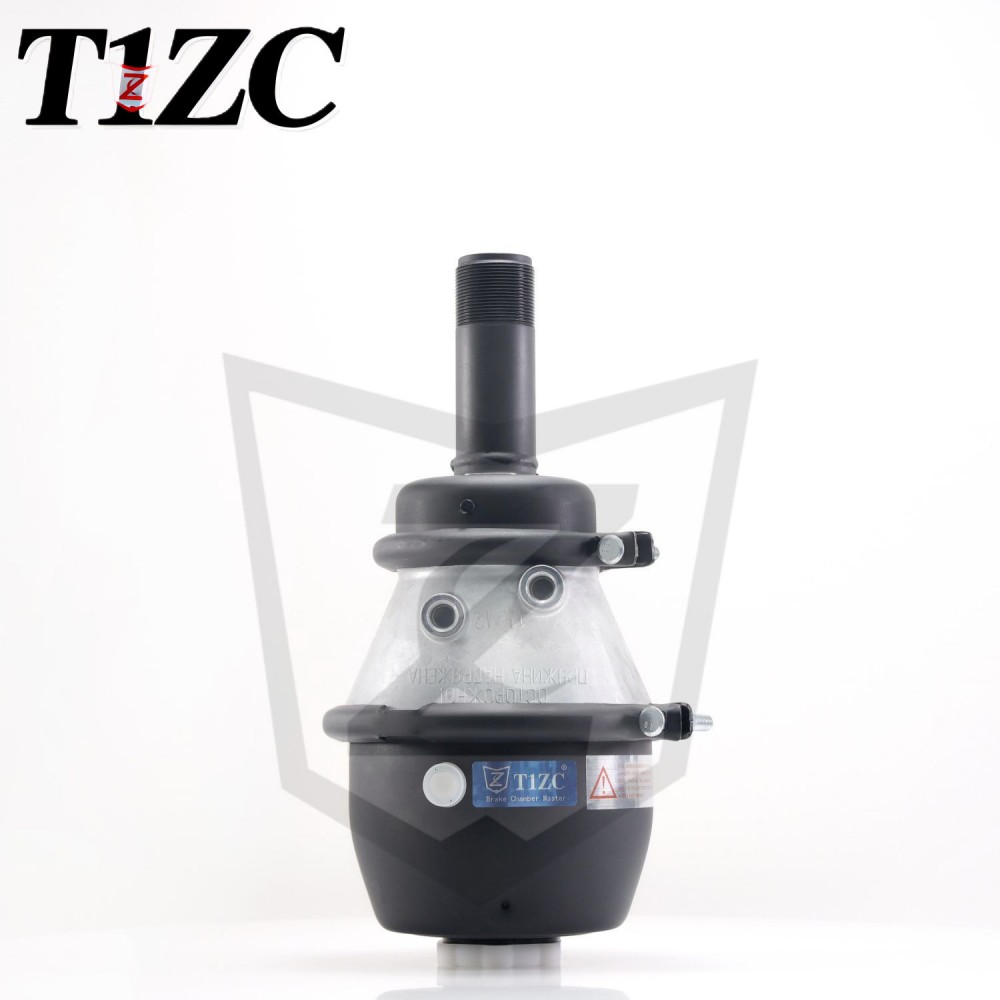
This brake chamber adopts a unique wedge-shaped design, combines advanced braking technology and high-quality materials, and is designed to provide stable, reliable and efficient braking performance t...
See Details -
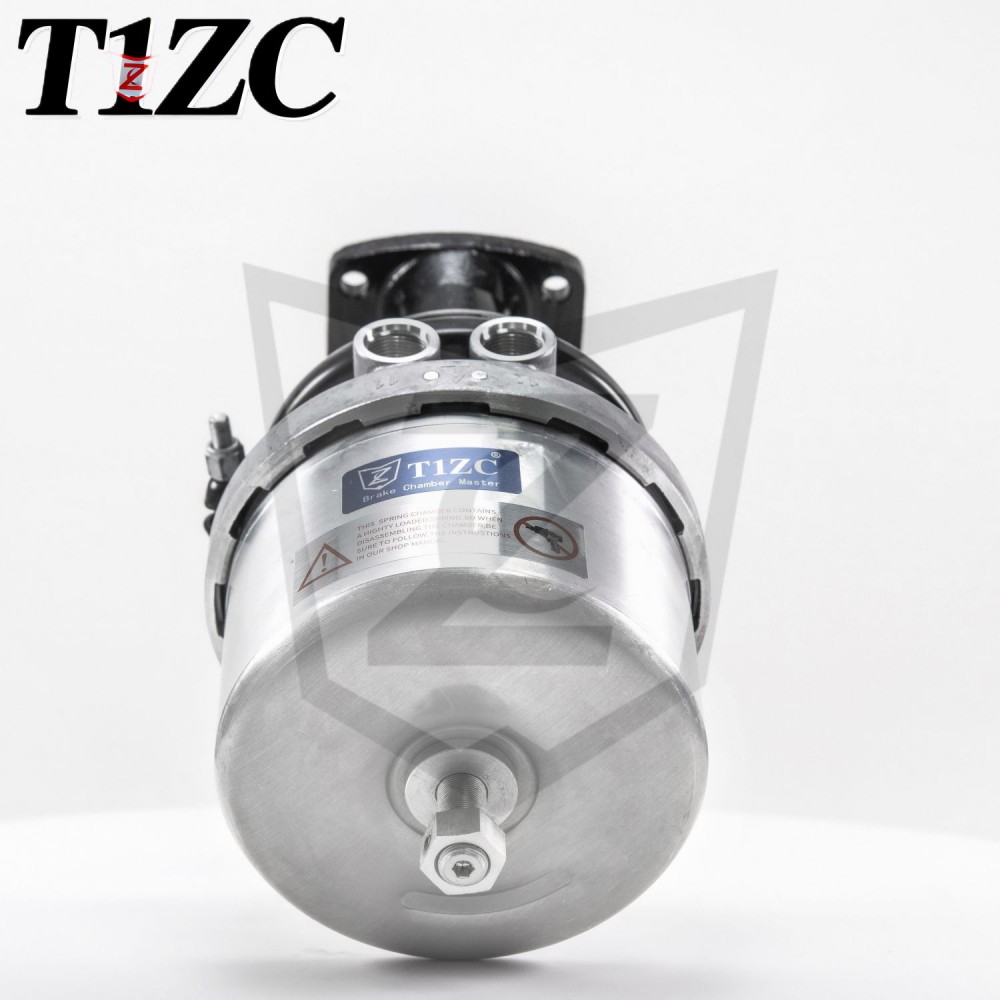
DP WEDGE BRAKE CHAMBER F-Series Regular Release This product is specially designed to meet the market's demand for efficient, stable and reliable braking systems. It uses advanced wedge braking techno...
See Details
CONTACT DETAILS
- Phone: +86-198 1775 0319
- TEL: +86-575 8909 8166
- E-mail: sale@t1zc.cn
- Office Address: 122-2 Busen West Road, Fengqiao Town, Zhuji, Zhejiang, China
If You Are Intrested
In Our Products,
Please Consult Us
Copyright © ZHUJI TEYI IMPORT&EXPORT CO.,LTD. All Rights Reserved.
China Brake Chamber Manufacturers
China Brake Chamber Supplier
