 EN
EN  English
 Português
Home / Blogs / Industry News / What Are the Key Advantages of Choosing a Wedge Brake Chamber for Fleet Vehicles?


Application Industry
AGV

Automated robots
laser cutting

Logistics sorting

Photovoltaic power-station
Medical devices
What Are the Key Advantages of Choosing a Wedge Brake Chamber for Fleet Vehicles?
As fleet vehicles continue to operate under increasing demands for safety, reliability, and cost efficiency, braking systems remain one of the most critical components. Among the available braking solutions, the Wedge Brake Chamber has emerged as a preferred choice for many commercial fleets, particularly those operating heavy-duty trucks, buses, and specialized industrial vehicles.
Designed to deliver consistent braking force with fewer mechanical components, the Wedge Brake Chamber offers unique advantages over traditional brake chambers. Its compact design, responsive braking performance, and reduced maintenance requirements make it well-suited for modern fleet operations that prioritize uptime and operational efficiency.
Content
- What Is a Wedge Brake Chamber?
- Key Advantages of Choosing a Wedge Brake Chamber for Fleet Vehicles
- Wedge Brake Chamber vs. Traditional Brake Chamber
- Applications Where Wedge Brake Chambers Excel
- Safety and Regulatory Considerations
- Factors to Consider When Selecting a Wedge Brake Chamber
- Frequently Asked Questions About Wedge Brake Chambers
- The Long-Term Value of Wedge Brake Chambers for Fleet Operations
What Is a Wedge Brake Chamber?
A Wedge Brake Chamber is a type of air brake actuator commonly used in heavy commercial vehicles. Instead of relying on a pushrod to apply braking force, it uses a wedge-shaped mechanism that moves between rollers or plungers to spread brake shoes outward against the drum.
How the Wedge Mechanism Works
- Compressed air enters the chamber when the brake pedal is applied
- The air pressure drives a piston connected to a wedge-shaped component
- The wedge moves forward, forcing brake shoes outward
- Friction is created between the brake lining and drum, slowing the vehicle
This mechanical advantage allows the braking force to be distributed more evenly, improving stopping consistency and reducing wear.
Key Advantages of Choosing a Wedge Brake Chamber for Fleet Vehicles
Compact and Space-Saving Design
One of the most notable advantages of the Wedge Brake Chamber is its compact construction. Compared with traditional diaphragm brake chambers, wedge designs require less axial space.
- Easier integration into tight axle and suspension layouts
- Better compatibility with low-floor buses and specialized chassis
- Reduced risk of damage from road debris
This space efficiency is especially valuable for modern fleet vehicles where packaging constraints are increasingly common.
Consistent and Balanced Braking Performance
Unlike pushrod systems that may apply uneven force, the Wedge Brake Chamber delivers a more uniform application of braking pressure.
- Even shoe expansion improves contact with the brake drum
- Reduced brake fade during repeated stops
- Improved vehicle stability during emergency braking
This balanced braking behavior is particularly important for fleet vehicles that operate in urban environments or mountainous terrain.
Reduced Maintenance Requirements
Fleet maintenance costs can be significantly impacted by braking system complexity. The Wedge Brake Chamber simplifies maintenance by reducing the number of external moving parts.
- Fewer exposed linkages compared to pushrod systems
- Lower susceptibility to corrosion and contamination
- Extended service intervals for brake components
For fleet managers, this translates into lower downtime and reduced labor costs.
Improved Brake Responsiveness
Because the wedge mechanism converts air pressure directly into shoe expansion, braking response tends to be faster and more predictable.
- Shorter brake lag time
- More precise control during gradual deceleration
- Enhanced driver confidence in stop-and-go traffic
Fast response times are essential for fleet vehicles operating in congested or high-risk environments.
Enhanced Durability for Heavy-Duty Applications
Fleet vehicles often face harsh operating conditions, including high loads, frequent braking cycles, and extreme temperatures. The Wedge Brake Chamber is engineered to withstand these demands.
- Robust housing materials resist deformation
- Internal components designed for high-cycle operation
- Stable performance under varying air pressure conditions
This durability makes wedge brake systems a reliable choice for long-haul trucks, transit buses, and industrial fleets.
Wedge Brake Chamber vs. Traditional Brake Chamber
Design and Structure Comparison
- Wedge Brake Chamber: Internal wedge mechanism, compact form factor
- Traditional Brake Chamber: External pushrod and slack adjuster system
Performance Differences
- Wedge systems provide more even brake shoe expansion
- Pushrod systems may experience uneven force due to linkage wear
- Wedge designs typically offer faster brake response
Maintenance and Lifecycle Costs
- Wedge Brake Chamber requires fewer adjustments
- Traditional chambers need regular slack adjuster inspections
- Lower long-term maintenance costs with wedge systems
Applications Where Wedge Brake Chambers Excel
The Wedge Brake Chamber is widely used across multiple fleet applications:
- City and intercity buses
- Heavy-duty trucks and trailers
- Construction and mining vehicles
- Airport ground support equipment
These applications benefit from consistent braking, compact installation, and reliable performance.
Safety and Regulatory Considerations
Fleet operators must comply with strict safety and regulatory standards. Wedge brake systems are designed to meet or exceed industry requirements for braking efficiency and reliability.
- Stable braking force improves stopping distance consistency
- Reduced risk of brake imbalance enhances vehicle control
- Compatibility with modern air brake regulations
When properly maintained, the Wedge Brake Chamber supports safer fleet operations and regulatory compliance.
Factors to Consider When Selecting a Wedge Brake Chamber
Vehicle Type and Load Capacity
Selecting the correct chamber size and specification ensures optimal braking performance for the vehicle’s weight and operating conditions.
Operating Environment
Fleets operating in dusty, wet, or corrosive environments should choose wedge chambers with enhanced sealing and protective coatings.
Compatibility with Existing Brake Systems
Ensuring compatibility with axles, drums, and air systems helps prevent installation issues and performance inconsistencies.
Frequently Asked Questions About Wedge Brake Chambers
Is a Wedge Brake Chamber suitable for all fleet vehicles?
While the Wedge Brake Chamber is ideal for many heavy-duty applications, compatibility depends on axle design and braking system configuration. Some vehicles may be better suited to traditional systems.
Does a wedge brake system require special maintenance?
Maintenance requirements are generally lower, but regular inspections of internal components and air connections are still recommended to ensure safe operation.
How does a Wedge Brake Chamber perform in cold climates?
Wedge brake systems perform reliably in cold environments when equipped with proper seals and moisture control in the air system.
Are wedge brake chambers more expensive upfront?
Initial costs may be slightly higher than traditional chambers, but long-term savings from reduced maintenance and downtime often offset the investment.
Can wedge brake chambers improve fleet safety?
Yes. More consistent braking force and faster response times contribute to improved vehicle control and reduced stopping distances.
The Long-Term Value of Wedge Brake Chambers for Fleet Operations
For fleet operators seeking dependable braking performance, lower maintenance demands, and enhanced safety, the Wedge Brake Chamber represents a compelling solution. Its compact design, consistent braking behavior, and durability align well with the operational realities of modern fleet management.
As commercial vehicles continue to evolve, braking technologies like the Wedge Brake Chamber are playing a critical role in supporting safer, more efficient, and more cost-effective fleet operations worldwide.
Related products
-
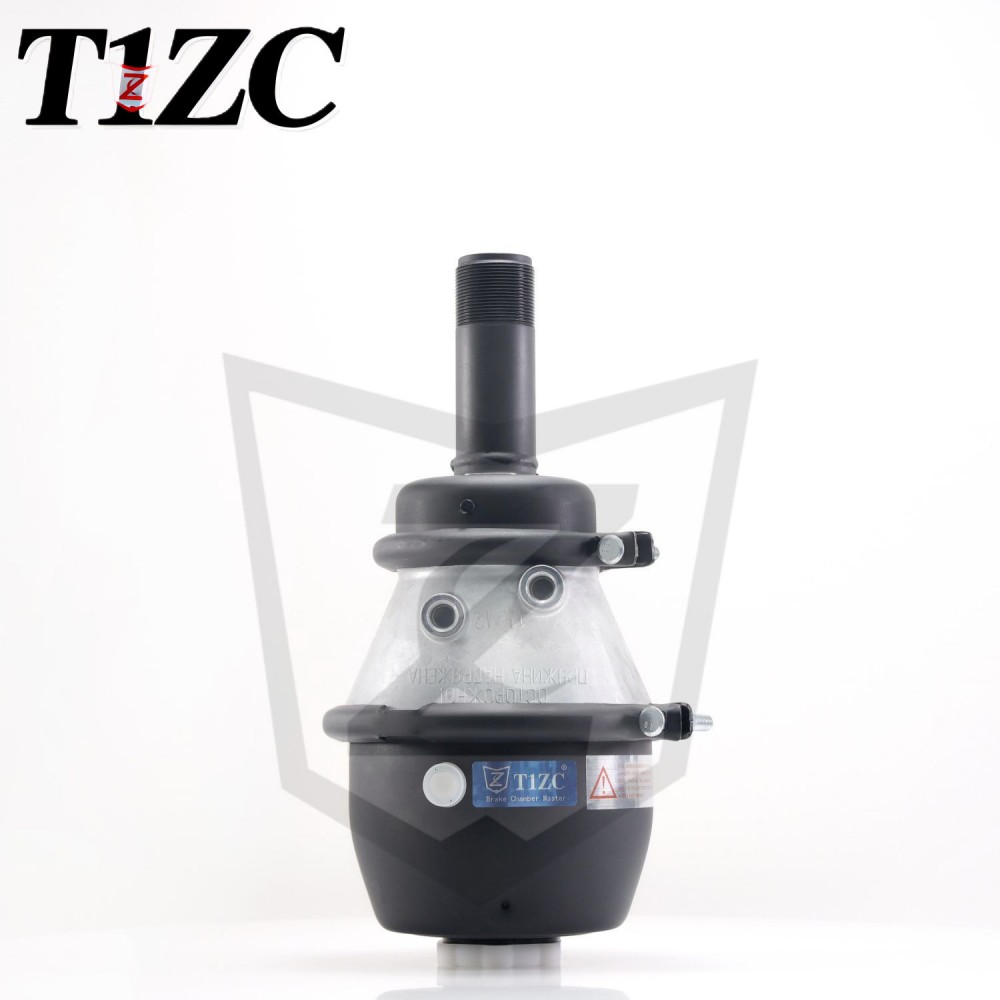
This brake chamber adopts a unique wedge-shaped design, combines advanced braking technology and high-quality materials, and is designed to provide stable, reliable and efficient braking performance t...
See Details -
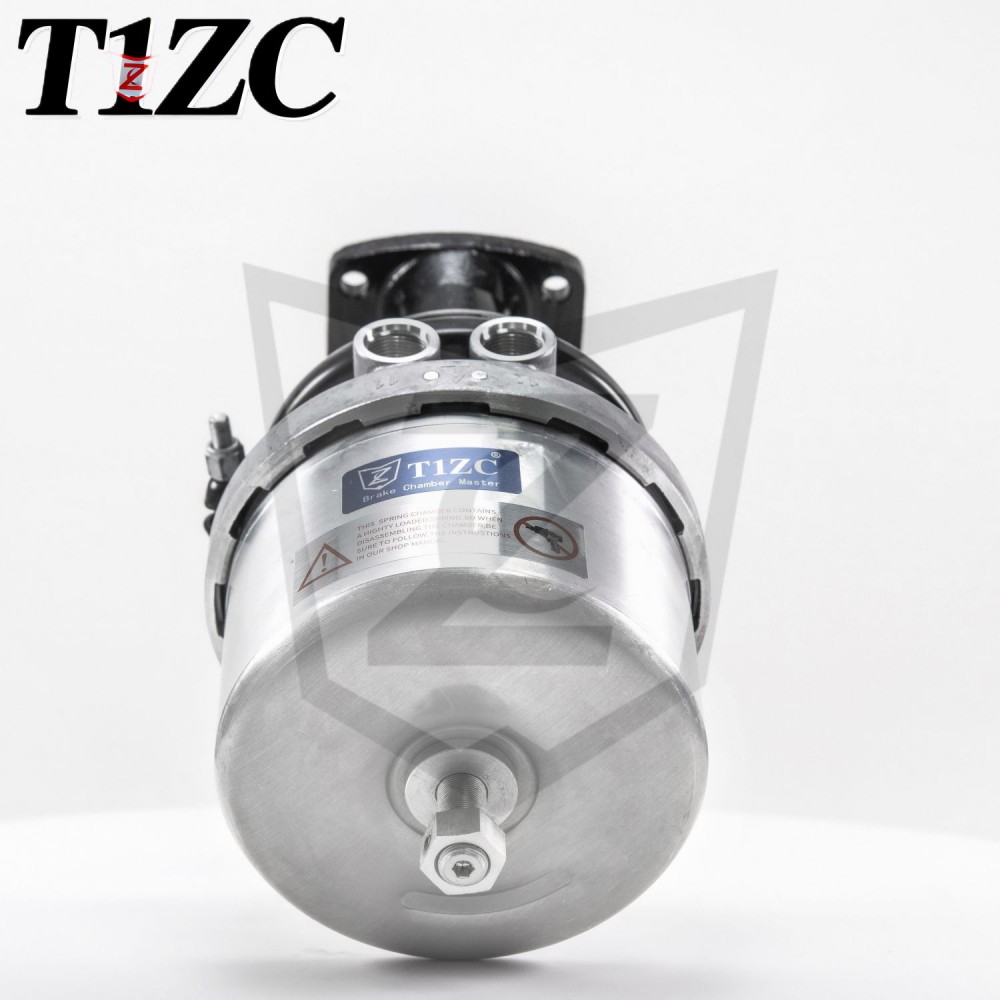
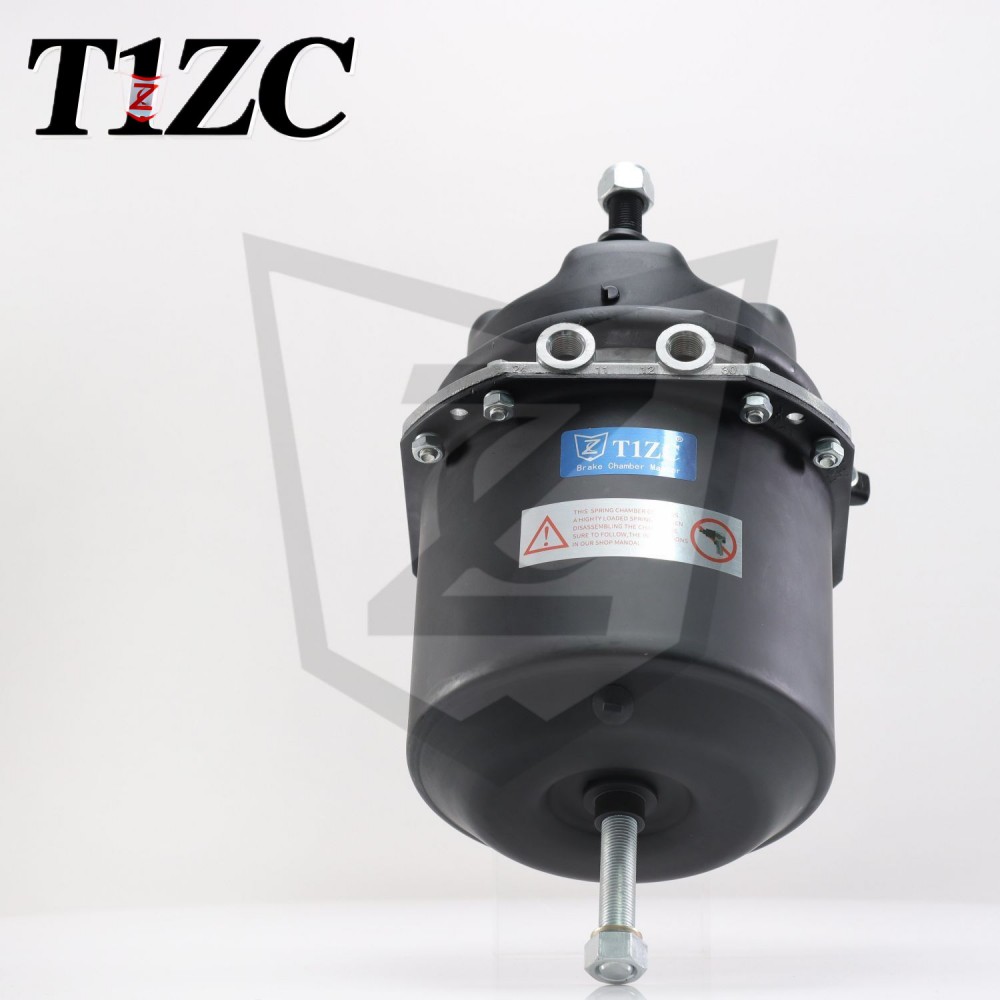
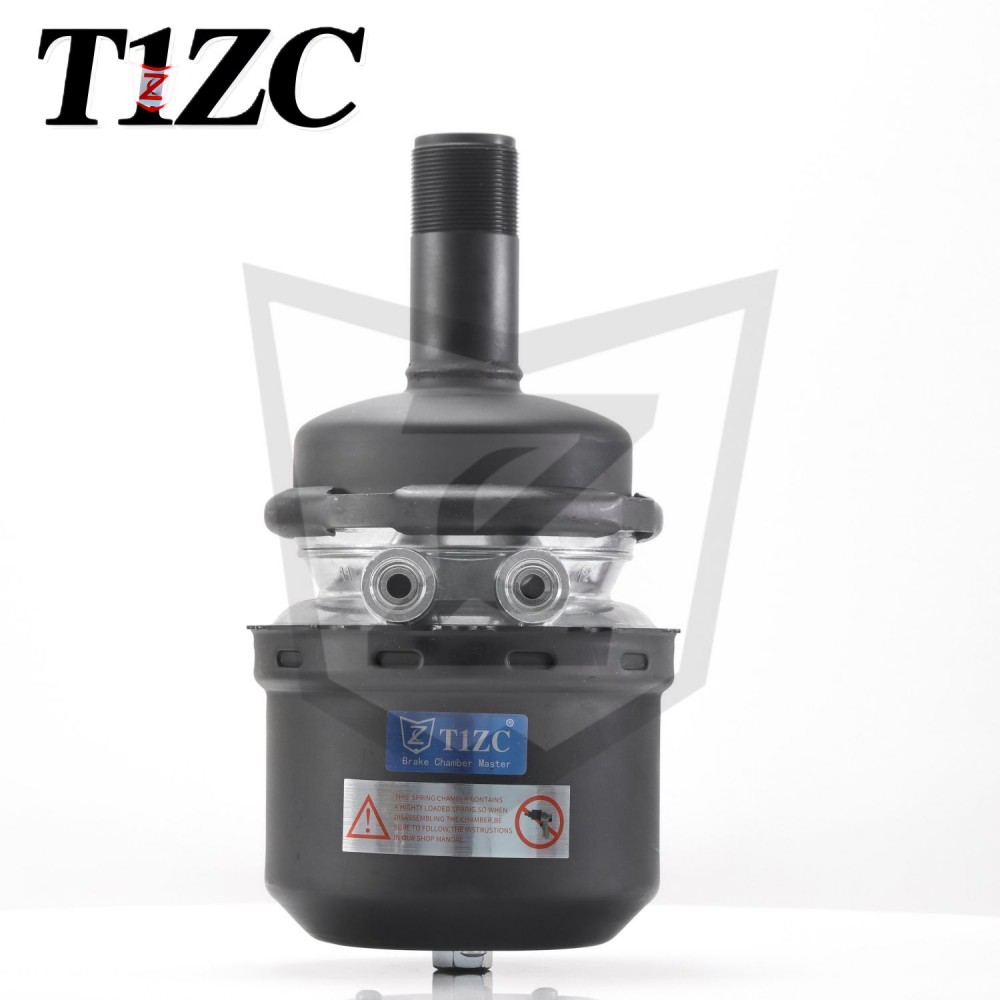
DP WEDGE BRAKE CHAMBER F-Series Regular Release This product is specially designed to meet the market's demand for efficient, stable and reliable braking systems. It uses advanced wedge braking techno...
See Details
CONTACT DETAILS
- Phone: +86-198 1775 0319
- TEL: +86-575 8909 8166
- E-mail: sale@t1zc.cn
- Office Address: 122-2 Busen West Road, Fengqiao Town, Zhuji, Zhejiang, China
If You Are Intrested
In Our Products,
Please Consult Us
Copyright © ZHUJI TEYI IMPORT&EXPORT CO.,LTD. All Rights Reserved.
China Brake Chamber Manufacturers
China Brake Chamber Supplier
