
 EN
EN  English
 Português




Your axle needs a 3030 replacement chamber, and the catalog lists two versions: short stroke and long stroke. Pick the wrong one, and the brake can fail a roadside stroke test even when every part is new. The direct answer to the 3030 brake chamber long stroke vs short stroke question is simple: the long stroke version has a maximum pushrod stroke of 3.0 in (76.2 mm), while the short stroke, also called standard stroke, is rated at 2.5 in (63.5 mm). Replace the chamber with the same stroke type the axle was built with, and always install identically rated chambers on both ends of the same axle.
Content
What Is a 3030 Brake Chamber?
A 3030 brake chamber, written more precisely as 30/30, is a double-diaphragm combination spring brake chamber for heavy-duty drive axles. The first 30 is a service brake diaphragm with 30 square inches (193.5 cm²) of effective area; the second 30 is the spring brake section, which provides parking and emergency braking with the same effective area. The service diaphragm uses compressed air for normal braking, while a powerful coil spring applies the parking brake when air is exhausted.
This chamber type is standard equipment on the drive axles of most Class 7 and Class 8 trucks, tractors, and motor coaches. It is manufactured in two stroke versions: the short stroke (standard) unit and the long stroke unit. The mounting pattern, port locations, and force output are identical; only the usable pushrod travel differs.
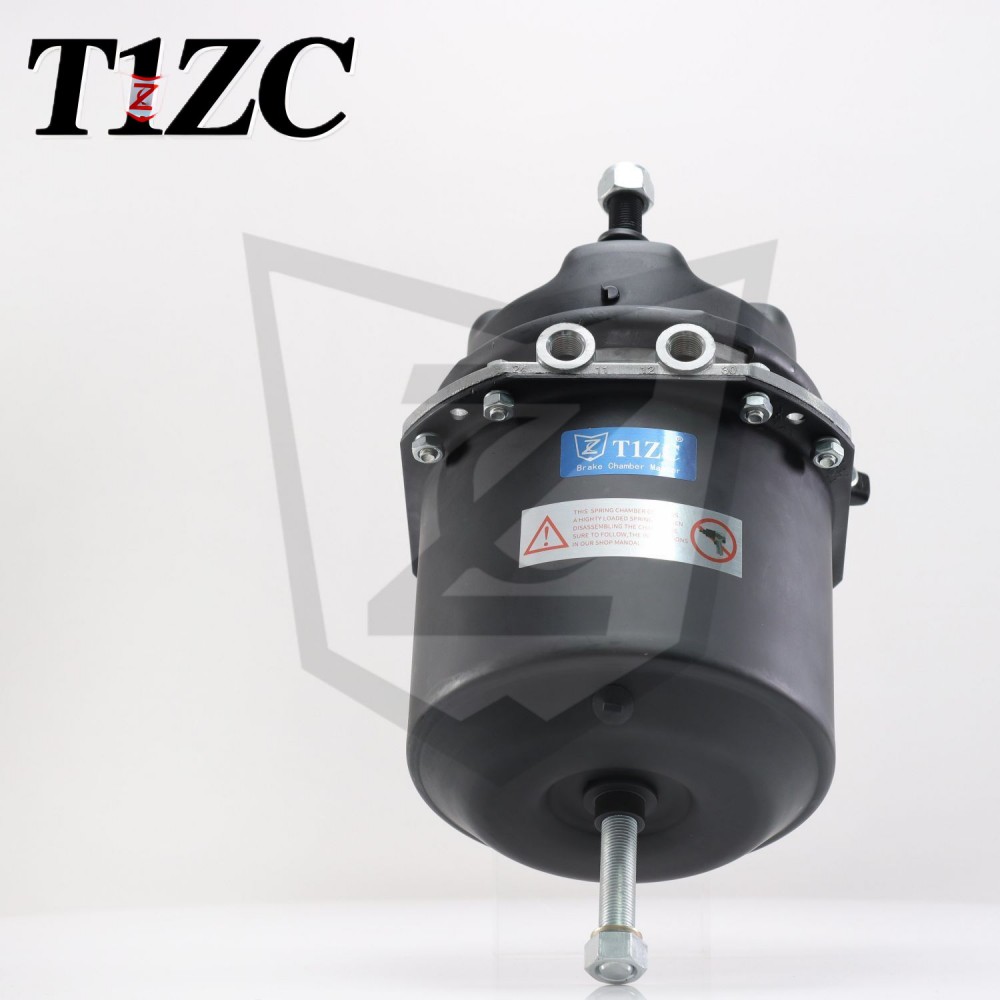
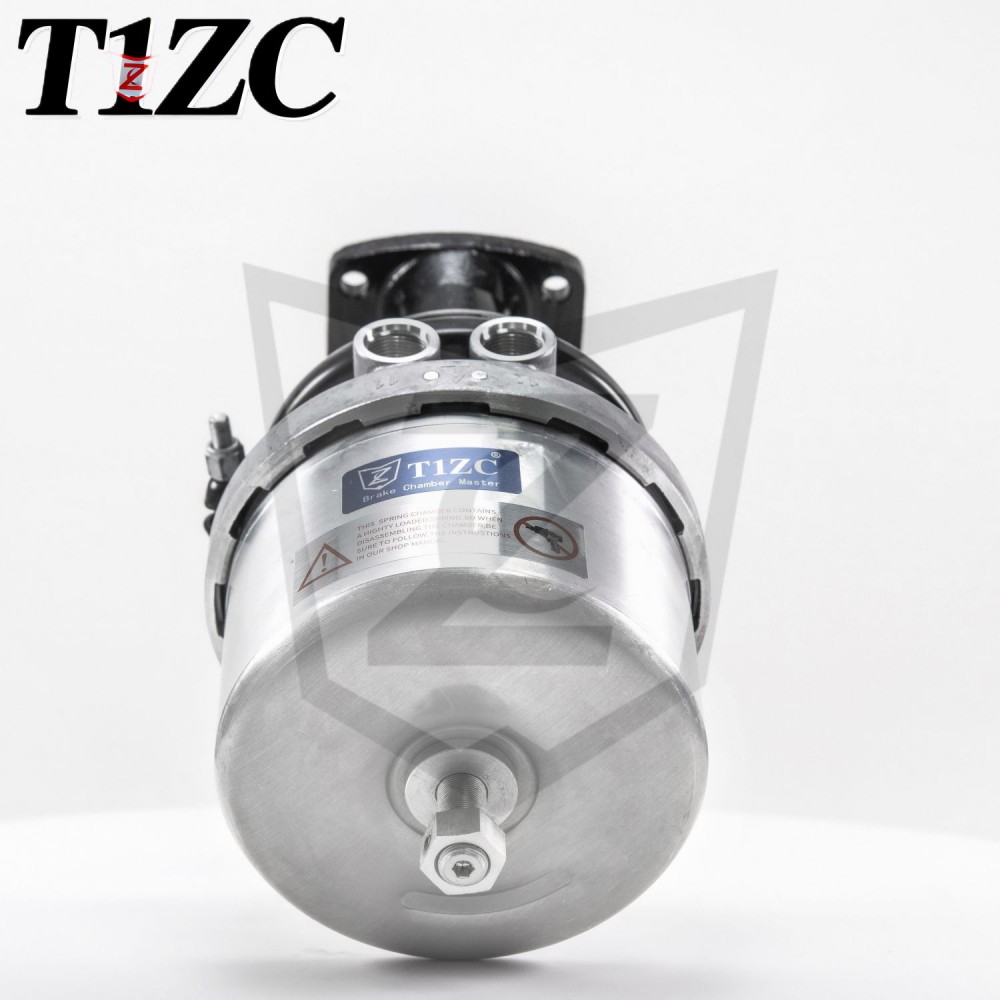
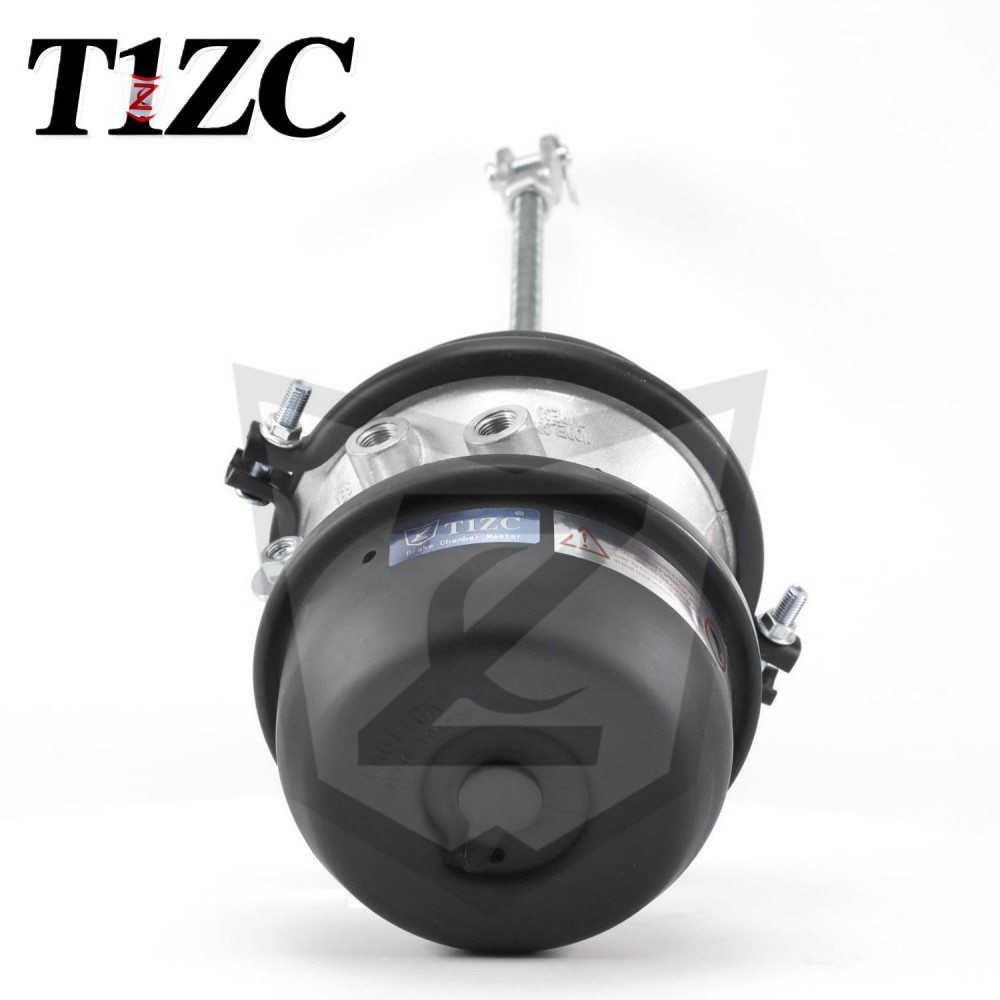 Regular S-Cam DD Brake Chamber for Drive AxlesStandard equipment on most Class 7 and Class 8 drive axles, available in short and long stroke versions with identical mounting and force output. It serves as the key reference for comparing aftermarket replacements.View Product →
The regular service DD S-cam type 30/30 chamber is one of the most requested configurations in the aftermarket, and it is the reference point for the comparison below.
Long Stroke vs. Short Stroke: What Actually Changes
The only functional difference between a 3030 short stroke and a 3030 long stroke chamber is the maximum pushrod travel: 2.5 in versus 3.0 in. Both generate the same output force at the same air pressure, and both mount on the same bracket with the same bolt spacing.
| Parameter | Short Stroke (Standard) | Long Stroke |
|---|---|---|
| Rated maximum pushrod stroke | 2.5 in (63.5 mm) | 3.0 in (76.2 mm) |
| Extra stroke versus standard | - | +0.5 in (12.7 mm) |
| Housing profile at the pushrod side | Rounded / oval | Squared / shouldered |
| Typical marking | 30, 3030 | 30LS, 3030LS, LS |
| Roadside out-of-service stroke limit | 2.5 in | 3.0 in |
| Typical factory fitment | Older trucks, some trailers | Most current Class 8 drive axles |
The extra half inch is designed to be consumed as lining wear progresses. When the S-cam rotates further to compensate for worn linings, the pushrod extends further. The long stroke diaphragm has more travel before it contacts the housing, so the brake assembly stays within the legal stroke limit for a longer period.
Why Pushrod Stroke Length Matters in Practice
Pushrod stroke is the single most important dimension on an S-cam drum brake. Once stroke exceeds the chamber rating, the brake stops producing usable force. For a type 30 chamber, the roadside out-of-service limit is 2.5 in for a short stroke unit and 3.0 in for a long stroke unit.
As brake linings wear, the pushrod must travel farther to push the lining against the drum. If the chamber bottoms out during a hard application, the pushrod locks, the S-cam cannot rotate further, and brake torque falls sharply at the moment you need it most. A long stroke chamber keeps effective braking available through a much larger window of lining wear.
Fleets running long stroke chambers on drive axles report fewer brake adjustment events, fewer out-of-adjustment citations, and less brake-induced pull as linings wear. This relationship between chamber stroke, lining wear, and braking force is covered in more depth in our technical article on why brake chamber pushrod stroke length matters for safety.
Can You Mix Long and Short Stroke Chambers on the Same Axle?
No. Do not mix long stroke and short stroke chambers on the same axle. Both chambers produce the same force, but the short stroke side reaches its mechanical limit sooner, leaving you with an axle that brakes unevenly and behaves unpredictably in an emergency stop.
With air applied, both chambers push with equal force until the short stroke side runs out of travel. In a hard stop, the long stroke side continues to rotate its S-cam while the short stroke side is already bottomed out. The result is a directional pull, uneven lining wear, and a higher risk of diaphragm rupture on the short stroke side.
The same logic applies to a single-chamber replacement. If one chamber fails, replace both chambers on the axle with the same stroke rating. The cost of an extra chamber is small compared with a brake-balance liability or a failed annual inspection.
How to Identify a Long Stroke 3030 Chamber
You can identify a long stroke 3030 by the LS stamping, the squared housing profile, and the rated stroke on the manufacturer's data sheet. Measurement alone is not enough, because a correctly adjusted brake of either type shows a similar stroke reading at normal application pressure.
- Read the marking. The type number is stamped on the housing or clamped band: 30 or 3030 means standard short stroke; 30LS, 3030LS, or an LS suffix means long stroke.
- Check the housing profile. The non-pressure housing of a long stroke chamber has a squarer, more shouldered contour on the pushrod side, while the standard chamber has a rounder, oval profile.
- Verify against the spec sheet. If the marking is worn, compare the casting or part number with the manufacturer's catalog rather than guessing from the shape.
For new parts, the stroke rating is always printed in the technical data sheet. If a supplier cannot state the rated stroke of the chamber they are selling, treat that as a warning. Stroke rating affects legal compliance, not just fit.
How to Choose the Right 3030 for Your Axle
Match the original specification. If the vehicle left the factory with long stroke chambers, install long stroke; if it was built with short stroke, use short stroke unless you upgrade both sides of the axle with verified clearance.
- Long stroke is the safer default for heavy-duty tractors and vehicles that run long intervals between brake adjustments. The 0.5 in reserve directly reduces the risk of an out-of-service citation.
- Short stroke remains correct for lighter drive axles, some trailer applications, and vehicles where the chamber sits close to the suspension or frame; the compact housing avoids interference.
- When upgrading from short to long, verify that the S-cam, slack adjuster, and surrounding hardware allow the extra 0.5 in of travel without contact. When in doubt, use the exact part number from the original build.
Sourcing matters as much as the stroke rating. Look for welded all-steel construction for severe-duty use, corrosion protection for wet and salt-treated roads, and a diaphragm compound rated for cold weather. Welded housings resist deformation better than crimped designs under repeated high-stroke applications.
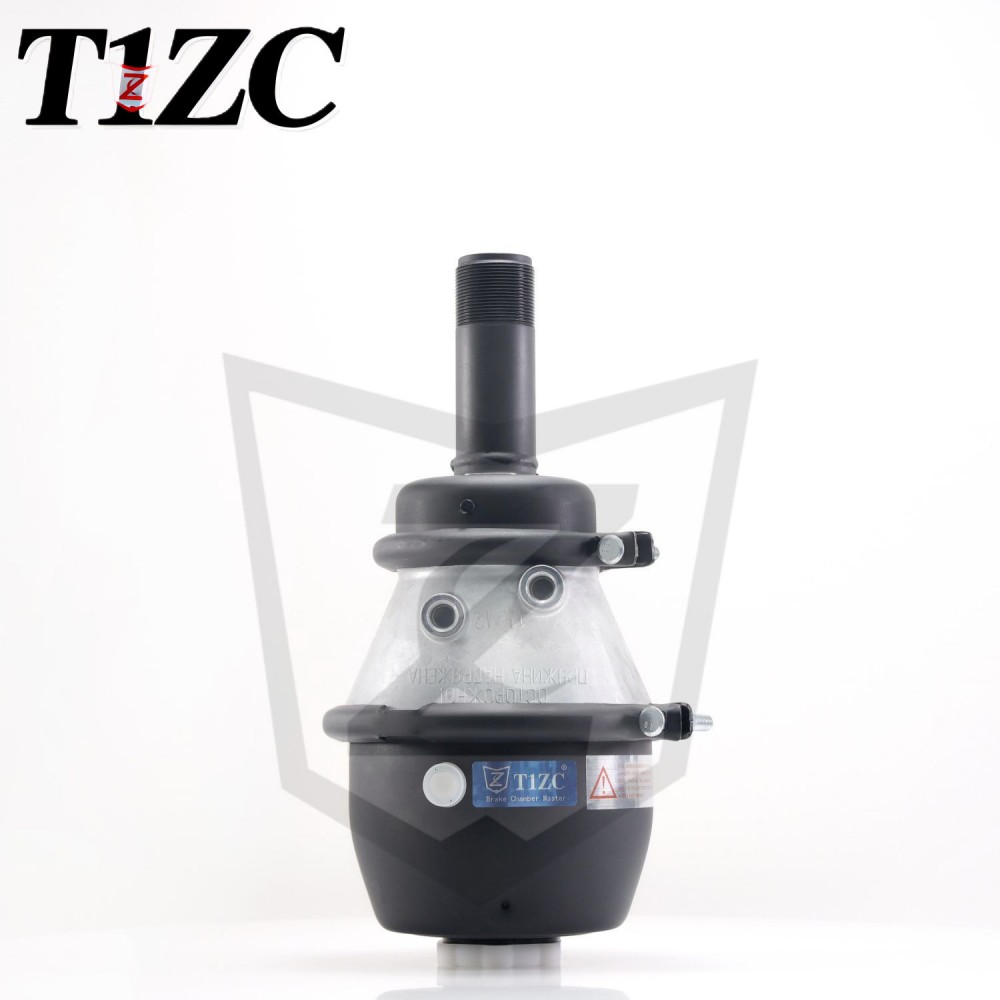
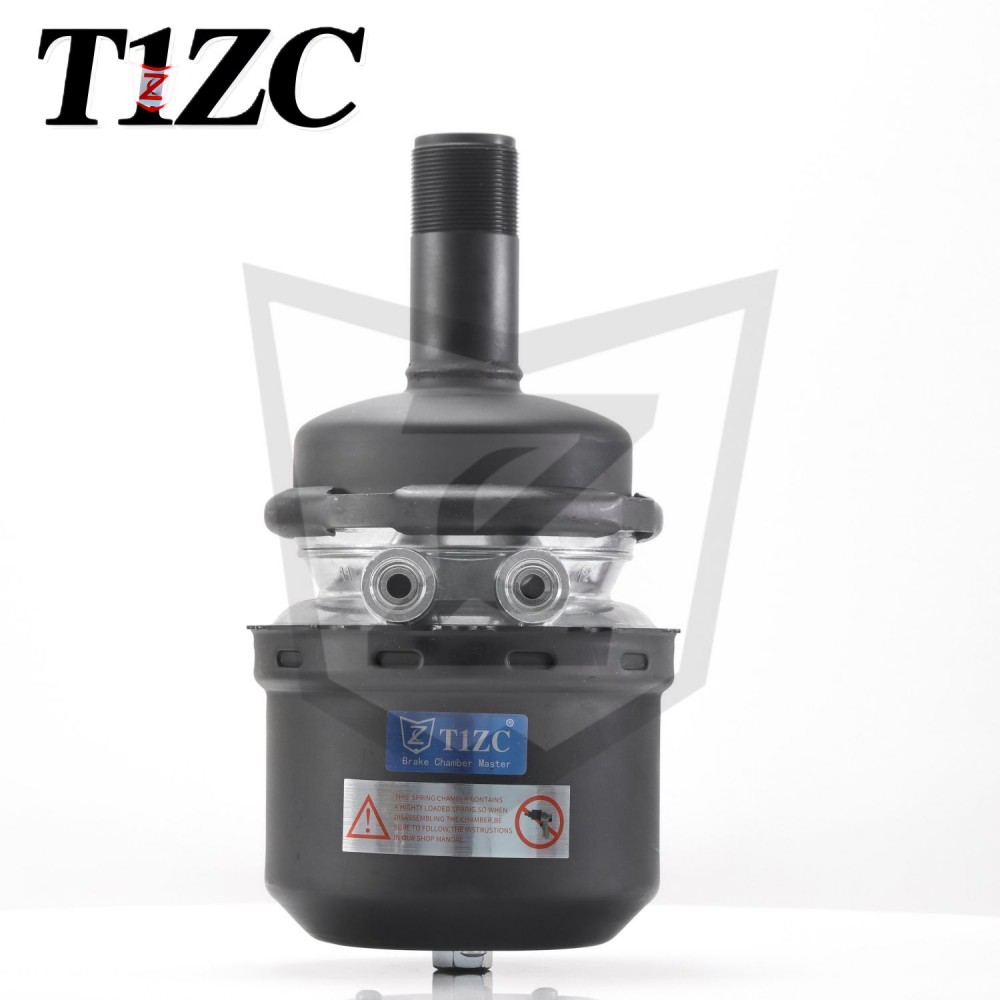
 Welded S-Cam Brake Chamber for Severe-Duty UseFeatures a welded all-steel housing for enhanced rigidity and corrosion resistance, suitable for wet and salt-treated roads. Its durable construction withstands repeated high-stroke applications, making it a reliable choice for heavy-duty vehicles.View Product →
If you send us the old part number or a photo of the existing chamber, we can confirm the stroke rating, port layout, and compatibility before dispatch. Whatever the axle spec, the rule stays the same: match the stroke and match the axle.
Frequently Asked Questions
What does 3030 mean on a brake chamber?
3030, or 30/30, is a double-diaphragm combination brake chamber with a type 30 service diaphragm and a type 30 spring brake section, each with 30 square inches of effective area. It is the most common combination chamber on Class 8 drive axles.
Is a long stroke brake chamber better than a short stroke?
Long stroke is generally better for heavy trucks because the extra 0.5 in of usable stroke extends the interval between brake adjustments and adds margin before a roadside out-of-service citation. Short stroke remains useful where packaging is tight. The right choice is the one that matches the original axle specification.
Can I replace a short stroke 3030 with a long stroke 3030?
Yes, on one condition: replace both chambers on the axle and confirm that the S-cam, slack adjuster, and surrounding hardware can absorb the extra 0.5 in of travel. Upgrading only one side creates a brake imbalance and should never be done.
What is the maximum stroke for a 3030 brake chamber?
For a 3030 short stroke chamber, the maximum pushrod stroke is 2.5 in (63.5 mm). For a 3030 long stroke chamber, the maximum is 3.0 in (76.2 mm). These are the limits used in roadside brake stroke inspections.
Summarized from the workshop floor: the practical difference between a 3030 long stroke and a 3030 short stroke brake chamber is 0.5 in of pushrod travel, and that small dimension decides whether a loaded truck still has reserve braking at the end of a long brake cycle. Identify the stroke rating before you order, keep both sides of an axle matched, and verify the rated stroke on the data sheet instead of assuming from the type number. Every 30/30 unit we ship is stamped and stroke-tested before it leaves the line; if you need a matched set for a rebuild, browse the brake chamber range we manufacture and send us the axle specification.