 EN
EN  English
 Português
Home / Blogs / Industry News / Are Air Disc Brake Chambers Truly the Key to Superior Fleet Braking Performance?


Application Industry
AGV

Automated robots
laser cutting

Logistics sorting

Photovoltaic power-station
Medical devices
Are Air Disc Brake Chambers Truly the Key to Superior Fleet Braking Performance?
Air disc brake chambers provide the essential clamping force required for modern commercial vehicles to achieve shorter stopping distances and reduced brake fade compared to traditional drum systems. By converting compressed air energy into mechanical force with higher efficiency, these components are becoming the standard for heavy-duty trucks and trailers aiming for maximum safety and lower long-term operational costs.
Content
- Why is the Evolution of Air Disc Brake Chambers Significant for Transport Safety?
- How Do Air Disc Brake Chambers Compare to Traditional Drum Actuators?
- Can Air Disc Brake Chambers Reduce Total Cost of Ownership (TCO)?
- What Should Fleet Managers Look for When Specifying Chambers?
- How Do Air Disc Brake Chambers Enhance Driver Comfort and Control?
- Frequently Asked Questions About Air Disc Brake Chambers
- The Future of Commercial Braking
Why is the Evolution of Air Disc Brake Chambers Significant for Transport Safety?
The adoption of air disc brake chambers has fundamentally shifted the safety profile of commercial fleets by virtually eliminating the risk of "brake fade" during prolonged downhill descents. Unlike drum brakes, where the drum expands away from the shoes when heated, disc systems maintain consistent contact between the pad and the rotor.
In rigorous testing, vehicles equipped with air disc brake chambers consistently demonstrate stopping distances that are 20% to 30% shorter than those using S-cam drum brakes. For a Class 8 truck traveling at 60 mph, this can mean the difference of 50 to 60 feet—often the margin between a safe stop and a catastrophic rear-end collision.
How Do Air Disc Brake Chambers Compare to Traditional Drum Actuators?
Air disc brake chambers outperform drum actuators in terms of thermal stability and mechanical precision, leading to more uniform braking across all axles. While drum brakes are susceptible to heat expansion, the disc architecture ensures that as the rotor heats up, it expands slightly toward the pads, actually maintaining or even slightly increasing the braking effectiveness under extreme conditions.
| Feature | Air Disc Brake Chambers | Drum Brake Actuators |
|---|---|---|
| Stopping Distance | Shortest (200-250 ft) | Longer (300+ ft) |
| Brake Fade Resistance | Exceptional | Moderate to Poor |
| Maintenance Time | Fast (Pad swap in < 15 mins) | Slow (Complex disassembly) |
| Weight Penalty | Heavier (initially) | Lighter |
| Sensitivity to Adjustment | Self-adjusting/Internal | External Slack Adjuster |
Comparative Analysis of Air Disc vs. Drum Braking Systems Performance Data
What Are the Structural Advantages of Modern Chambers?
The internal design of air disc brake chambers focuses on protecting the power spring and the piston mechanism from environmental contaminants like road salt and moisture. High-quality chambers utilize sealed designs that prevent internal corrosion, which is the leading cause of "dragging brakes" and premature chamber failure in harsh winter climates.
Can Air Disc Brake Chambers Reduce Total Cost of Ownership (TCO)?
Investing in air disc brake chambers significantly lowers TCO by extending service intervals and drastically reducing the labor hours required for brake replacements. While the initial purchase price of a disc-equipped vehicle is higher, the Return on Investment (ROI) is realized through increased vehicle uptime and the prevention of expensive CSA (Compliance, Safety, Accountability) violations related to out-of-adjustment brakes.
- Reduced Labor Costs: A standard brake pad change for an axle equipped with air disc brake chambers takes approximately 25% of the time required for a drum brake reline.
- Predictable Wear: The linear application of force in disc systems leads to more even pad wear, reducing the frequency of premature component replacement.
- Internal Adjustment: Since the adjustment mechanism is located inside the sealed air disc brake chambers, it is protected from the elements, ensuring the brakes stay in optimal spec for longer.
What Should Fleet Managers Look for When Specifying Chambers?
Selecting the right air disc brake chambers requires a focus on the quality of the diaphragm and the corrosion resistance of the housing materials. A chamber is only as reliable as its weakest seal; therefore, opting for units with double-clamped diaphragms and epoxy-coated power springs is essential for longevity.
Environmental Durability and Materials
The housing of premium air disc brake chambers is often constructed from high-grade steel or aluminum alloys that undergo salt-spray testing for over 500 hours. This ensures that the structural integrity of the chamber remains intact even when exposed to the de-icing chemicals used on Northern highways, preventing the dreaded "air leaks" that can ground a truck during an inspection.
How Do Air Disc Brake Chambers Enhance Driver Comfort and Control?
Drivers report a much more "car-like" feel when operating vehicles equipped with air disc brake chambers, thanks to the linear and predictable pedal response. This improved "brake feel" allows for better modulation, reducing the likelihood of wheel lock-up on slippery surfaces and providing the driver with greater confidence during emergency maneuvers.
Furthermore, the reduction in brake pull and vibration (side-to-side inconsistency) is a direct result of the precise manufacturing tolerances of modern air disc brake chambers. This consistency is vital for maintaining lane control during heavy braking events.
Frequently Asked Questions About Air Disc Brake Chambers
Q: Do air disc brake chambers require specialized tools for installation?
A: While basic installation is straightforward, certain air disc brake chambers require specific torque settings and inspection tools to ensure the internal caliper mechanism is correctly synced. However, no "heavy" specialized machinery is usually needed compared to drum brake spring compressors.
Q: Can I mix drum and disc chambers on the same axle?
A: Absolutely not. You must never mix different braking technologies on the same axle. Doing so would cause severe brake imbalance, as air disc brake chambers react faster and with different force curves than drum actuators, leading to dangerous vehicle instability.
Q: How often should I inspect my air disc brake chambers?
A: Inspections should occur during every preventive maintenance (PM) interval. Look for signs of cracked dust boots, air leaks at the ports, or physical damage to the chamber housing.
Q: What is the average lifespan of a high-quality chamber?
A: Under normal on-highway conditions, a well-maintained air disc brake chamber can last between 500,000 to 700,000 miles, though harsh environments may necessitate earlier replacement.
The Future of Commercial Braking
The transition toward air disc brake chambers is an inevitable progression toward a safer and more efficient transport industry. As autonomous driving technologies and electric trucks become more prevalent, the need for the precise, rapid-response braking provided by disc systems will only intensify.
By prioritizing the quality and maintenance of air disc brake chambers, fleet operators are not just complying with regulations—they are investing in the safety of their drivers and the public, while simultaneously strengthening their bottom line through engineering excellence.

Related products
-
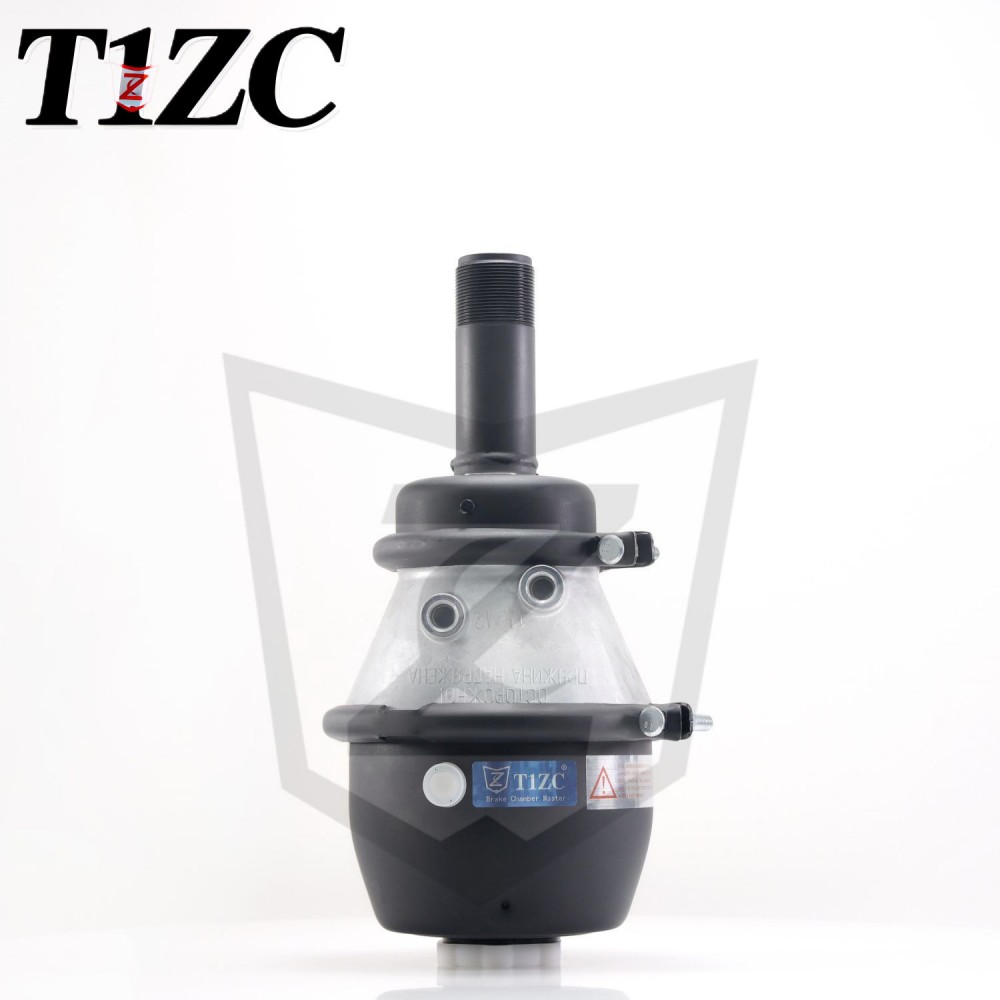
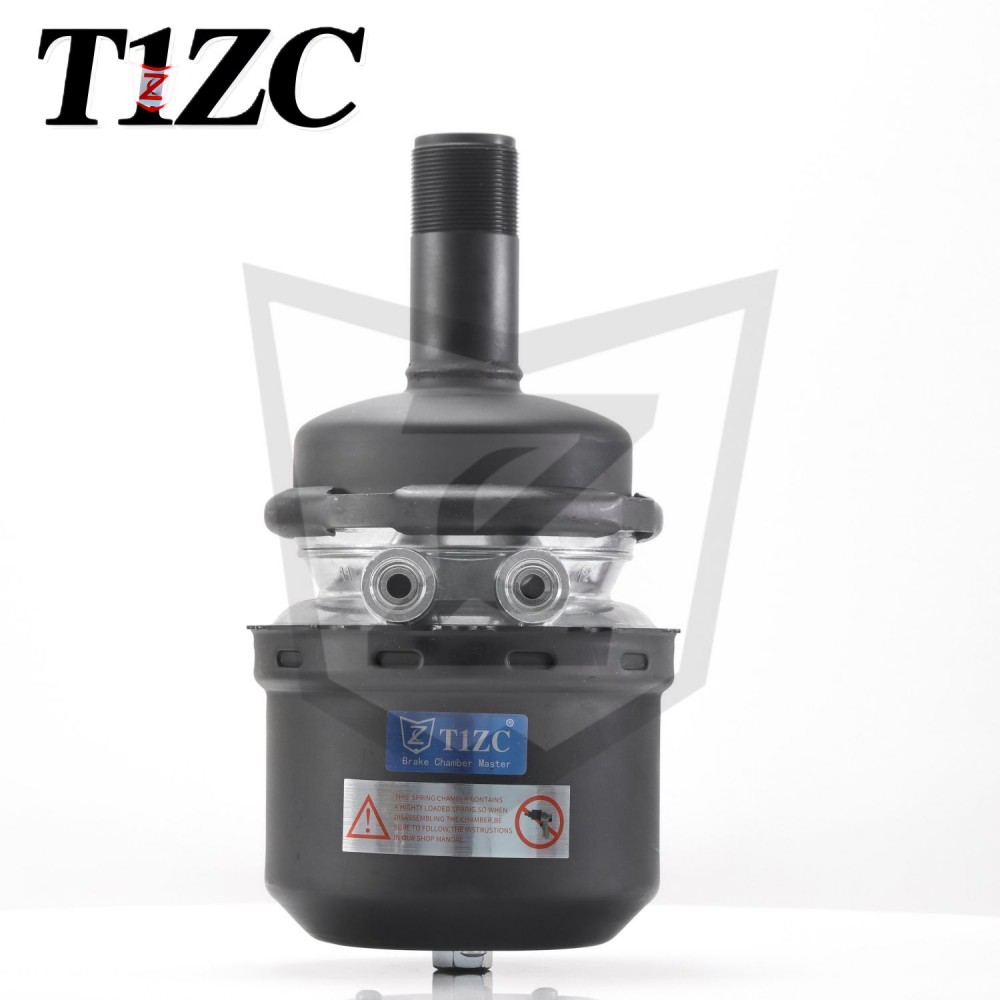
This brake chamber adopts a unique wedge-shaped design, combines advanced braking technology and high-quality materials, and is designed to provide stable, reliable and efficient braking performance t...
See Details -
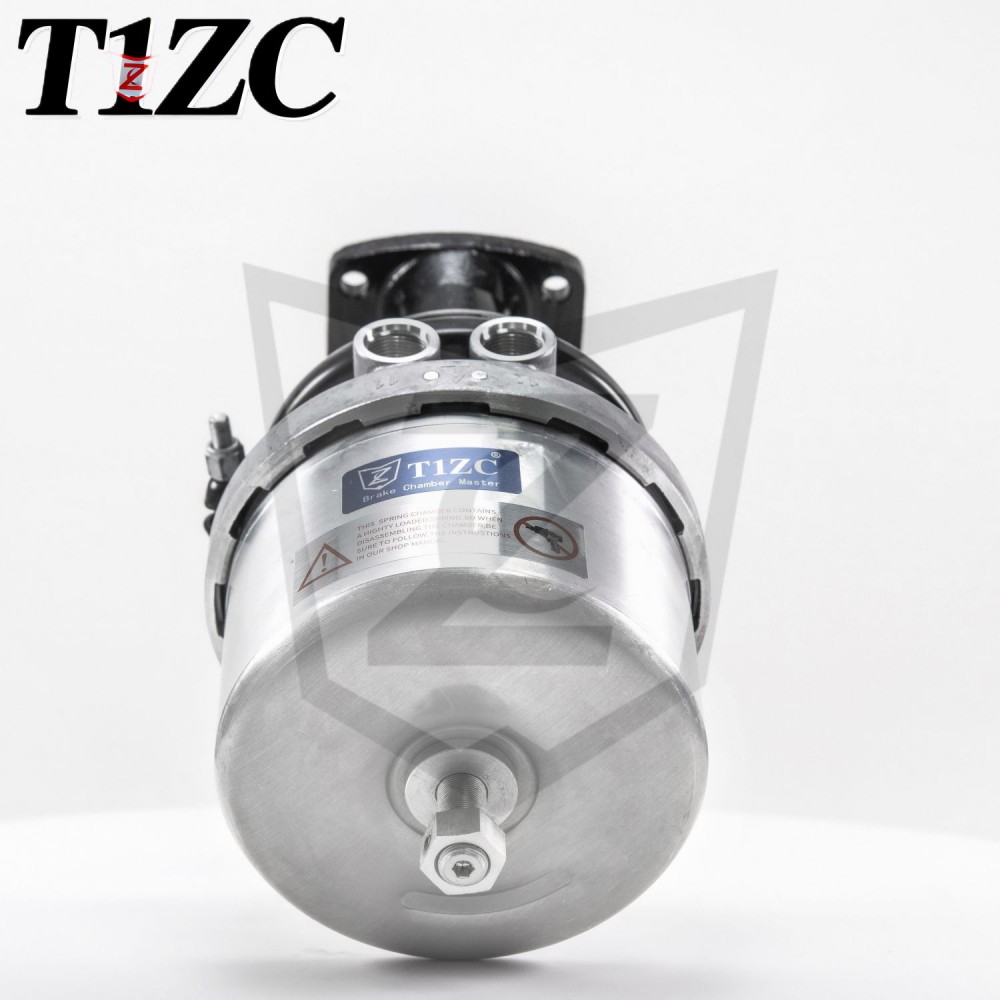
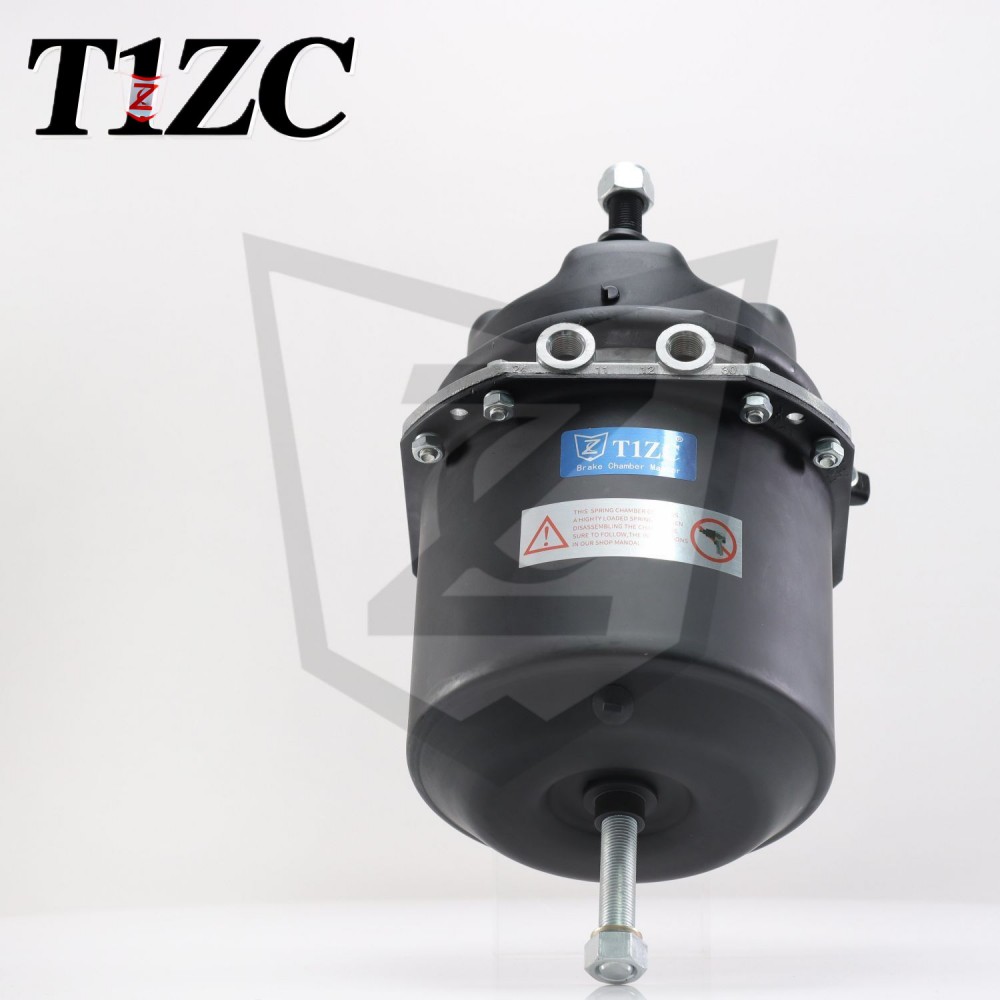
DP WEDGE BRAKE CHAMBER F-Series Regular Release This product is specially designed to meet the market's demand for efficient, stable and reliable braking systems. It uses advanced wedge braking techno...
See Details
CONTACT DETAILS
- Phone: +86-198 1775 0319
- TEL: +86-575 8909 8166
- E-mail: sale@t1zc.cn
- Office Address: 122-2 Busen West Road, Fengqiao Town, Zhuji, Zhejiang, China
If You Are Intrested
In Our Products,
Please Consult Us
Copyright © ZHUJI TEYI IMPORT&EXPORT CO.,LTD. All Rights Reserved.
China Brake Chamber Manufacturers
China Brake Chamber Supplier
