
 EN
EN  English
 Português




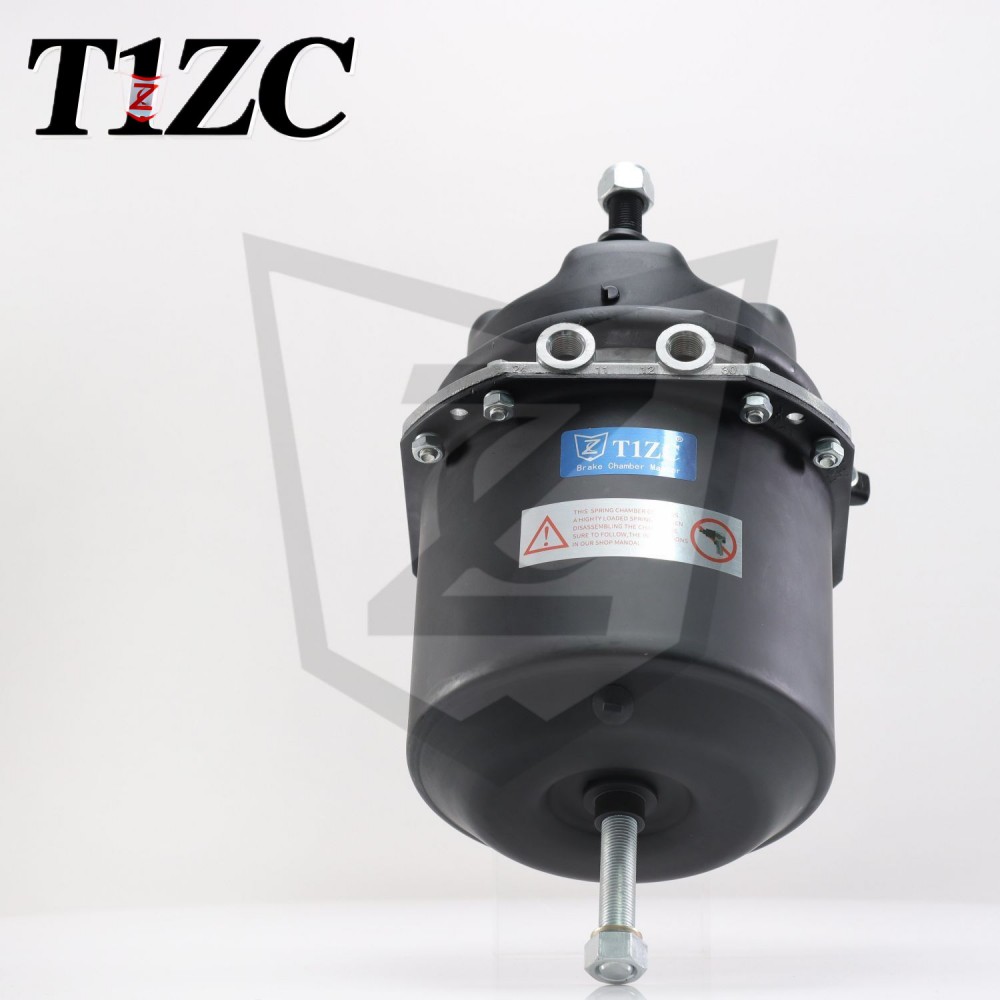
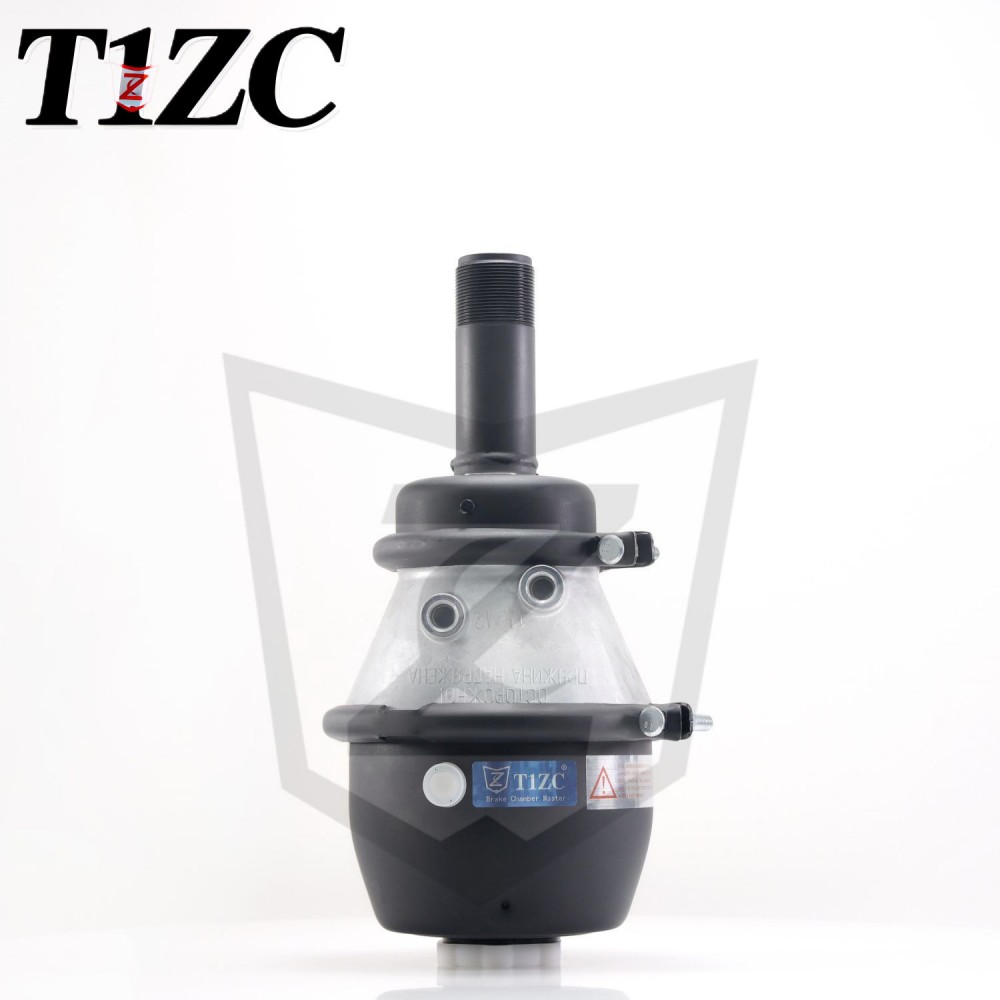
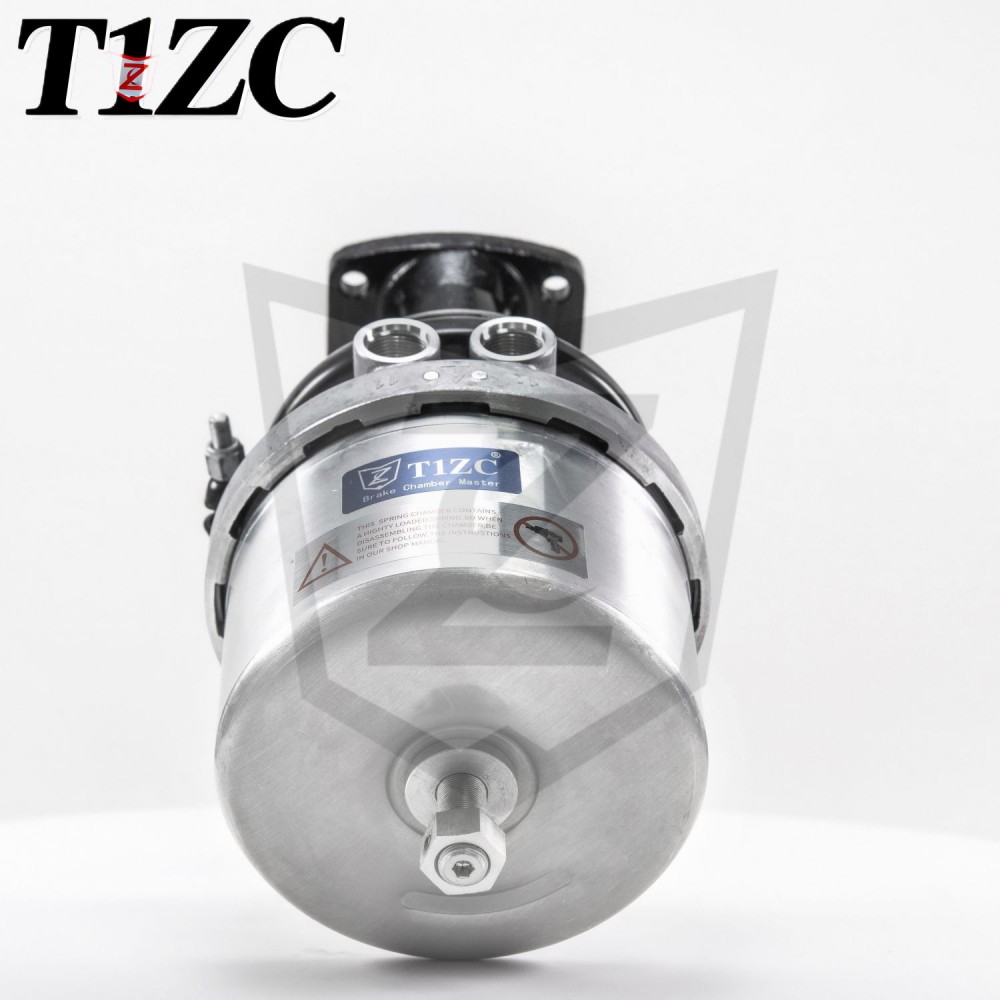
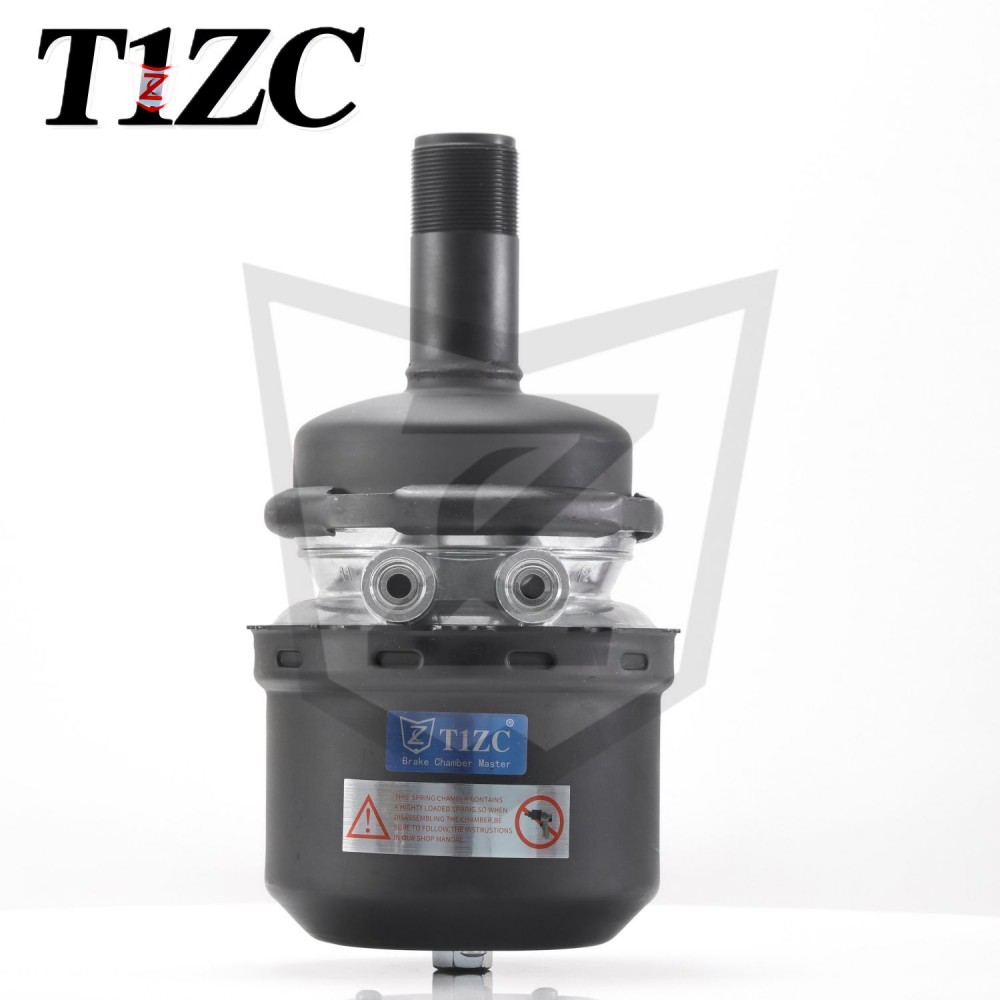
A wedge brake chamber is a pneumatic braking component used primarily on heavy commercial vehicles — trucks, buses, trailers, and construction equipment — that converts air pressure into mechanical braking force by driving a tapered wedge between two brake shoes, forcing them outward against a drum. Unlike the more common S-cam brake system, the wedge brake chamber applies force in a straight-line, self-energizing motion that delivers highly concentrated braking power in a compact package. If you maintain, specify, or operate heavy vehicles, understanding how this component works and when to choose it over alternatives can have a direct impact on brake performance, maintenance intervals, and total operating cost.
Content
- How Does a Wedge Brake Chamber Work?
- Key Components of a Wedge Brake Chamber
- Wedge Brake Chamber vs. S-Cam Brake Chamber: Key Differences
- Types of Wedge Brake Chambers
- Wedge Brake Chamber Size Chart and Specifications
- Advantages of a Wedge Brake Chamber
- Limitations of a Wedge Brake Chamber
- Maintenance and Inspection of Wedge Brake Chambers
- Common Failure Modes and Diagnostic Signs
- Frequently Asked Questions About Wedge Brake Chambers
- Q: Can a wedge brake chamber be replaced with an S-cam chamber?
- Q: How do I know if my wedge brake chamber needs replacement?
- Q: Is it safe to disassemble a spring brake wedge chamber in the field?
- Q: What is the correct pushrod stroke for a wedge brake chamber?
- Q: Why do wedge brakes feel different from S-cam brakes under pedal?
- Q: How long does a wedge brake chamber last?
- Summary: Is a Wedge Brake Chamber Right for Your Application?
How Does a Wedge Brake Chamber Work?
A wedge brake chamber works by using compressed air to push a diaphragm-actuated pushrod that drives a hardened steel wedge between two roller-tipped plungers seated against the brake shoes. As the wedge advances, it spreads the plungers apart radially, forcing both brake shoes outward against the inner surface of the brake drum simultaneously and symmetrically.
The core operating sequence is straightforward: when the driver depresses the brake pedal, the vehicle's air supply delivers pressure — typically between 90 and 120 psi (620–825 kPa) — into the brake chamber. This pressure acts against the diaphragm, which translates air force into linear pushrod movement. The pushrod advances the wedge, which multiplies the input force through its taper geometry. The mechanical advantage created by the wedge angle means that a relatively modest air force produces a significantly higher outward shoe force at the drum.
Most wedge brake chambers incorporate an automatic slack adjuster mechanism built directly into the wedge assembly, which continuously compensates for brake lining wear without requiring manual adjustment intervals — a significant operational advantage on high-mileage fleets.
Key Components of a Wedge Brake Chamber
Every wedge brake chamber assembly consists of several interdependent components that must each function correctly to deliver reliable braking. Understanding these parts is essential for accurate diagnosis and maintenance.
The Diaphragm and Chamber Body
The chamber body houses a flexible rubber diaphragm that separates the pressurized air cavity from the mechanical actuating components. When air pressure builds behind the diaphragm, it flexes forward, pushing the pushrod. The diaphragm must maintain an airtight seal at all operating pressures; a failed or cracked diaphragm is the most common cause of wedge brake chamber air leaks and is typically identified by a continuous hissing sound near the wheel end.
The Wedge and Rollers
The hardened steel wedge is the defining mechanical element of this brake type. Its taper angle — typically between 10° and 17° depending on the design — determines the mechanical advantage ratio. A 12° wedge angle, for example, produces approximately a 4.7:1 force multiplication between pushrod force and outward shoe force. Two hardened steel rollers sit at the base of the wedge, reducing friction as the wedge advances between the plunger heads.
The Plungers and Brake Shoes
Two opposing plungers receive the spreading force from the wedge and transfer it directly to the web of each brake shoe. Because both shoes receive equal and simultaneous outward pressure from a centrally located wedge, wedge brake chambers produce highly even lining wear — a measurable advantage over S-cam systems where the leading and trailing shoe wear at different rates due to their geometry.
The Automatic Slack Adjuster
Integrated into the chamber assembly, the automatic slack adjuster in a wedge brake system monitors pushrod travel on each brake application. When lining wear causes pushrod travel to exceed the pre-set limit, the adjuster ratchets the wedge position forward incrementally, restoring the correct running clearance between lining and drum. This eliminates the need for manual slack adjustment intervals that are mandatory on S-cam systems, reducing labor costs and the risk of out-of-adjustment brakes during inspection.
Wedge Brake Chamber vs. S-Cam Brake Chamber: Key Differences
The wedge brake chamber and the S-cam brake chamber are the two dominant pneumatic drum brake designs on heavy vehicles. Choosing between them — or understanding the system already fitted to your vehicle — requires a clear grasp of their structural and performance differences.
| Characteristic | Wedge Brake Chamber | S-Cam Brake Chamber |
|---|---|---|
| Force application method | Linear wedge between two plungers | Rotary S-cam spreads shoe tips |
| Self-energizing action | Both shoes equally energized | Leading shoe self-energizes; trailing does not |
| Lining wear pattern | Even wear across both shoes | Uneven — leading shoe wears faster |
| Slack adjustment | Automatic (built into assembly) | Manual or external automatic adjuster |
| Package size | Compact — integrates into hub | Larger — camshaft extends outboard |
| Maintenance access | Requires wheel removal for most service | Slack adjuster accessible without wheel removal |
| Common applications | Buses, construction equipment, rear axles | Long-haul trucks, trailers, steer axles |
| Force multiplication | High (wedge angle dependent, up to ~5:1) | Moderate (cam geometry dependent) |
Table 1: Detailed comparison of wedge brake chamber and S-cam brake chamber across key design, performance, and maintenance criteria.
Types of Wedge Brake Chambers
Wedge brake chambers are available in several configurations to suit different vehicle types, axle loads, and installation constraints. Selecting the correct type is critical — an undersized chamber will be unable to generate sufficient clamping force under full load, while an oversized unit adds unnecessary weight and may not fit within the wheel end package.
Single-Diaphragm Wedge Chamber (Service Brake Only)
The standard single-diaphragm wedge brake chamber is used exclusively as a service brake — it applies braking force only when air pressure is actively supplied by the driver. These units are common on the drive and steer axles of rigid trucks, buses, and non-air-suspension trailers. They are the simplest and lightest configuration, with no spring parking brake capability.
Spring Brake (Piggyback) Wedge Chamber
A spring brake wedge brake chamber — also called a piggyback or combination chamber — integrates a powerful coil spring into a secondary chamber mounted behind the service diaphragm. When air pressure to the spring section falls below approximately 45 psi (310 kPa), the spring extends and applies the brakes mechanically, acting as both a parking brake and emergency fail-safe. This design is mandatory on drive axles of air-braked vehicles in most regulatory jurisdictions, including under FMVSS 121 in North America and ECE R13 in Europe.
Long-Stroke Wedge Chamber
Long-stroke variants provide extended pushrod travel — typically 3 inches (76mm) versus the standard 2.5 inches (63mm) — which maintains braking effectiveness even when lining wear has progressed between service intervals. These are particularly suited to construction site vehicles that accumulate brake wear rapidly due to frequent stops under heavy load and may not reach a service bay on a regular schedule.
Wedge Brake Chamber Size Chart and Specifications
Wedge brake chambers are sized by their effective diaphragm area, which directly determines the maximum output force at a given air pressure. Always verify the required size against the vehicle manufacturer's axle and brake specification before replacement — fitting the wrong size is a common maintenance error with serious safety consequences.
| Chamber Type | Effective Area (in²) | Max Output Force @ 100 psi | Typical Application |
|---|---|---|---|
| Type 9 | 9 in² | ~900 lbf (4,000 N) | Light steer axles, urban buses |
| Type 12 | 12 in² | ~1,200 lbf (5,340 N) | Medium-duty trucks, coach buses |
| Type 16 | 16 in² | ~1,600 lbf (7,120 N) | Heavy drive axles, construction vehicles |
| Type 20 | 20 in² | ~2,000 lbf (8,900 N) | Heavy tandem axles, mining equipment |
| Type 24 | 24 in² | ~2,400 lbf (10,680 N) | Maximum GVW off-highway, multi-axle rigids |
Table 2: Wedge brake chamber size types with effective diaphragm area, approximate output force at 100 psi, and typical vehicle applications.
Advantages of a Wedge Brake Chamber
The wedge brake chamber offers several concrete performance advantages that explain its continued use in specific heavy-vehicle segments despite the market dominance of S-cam systems.
- High force multiplication in a compact envelope: The wedge mechanism generates substantially higher shoe force per unit of air pressure than an equivalent-sized S-cam chamber. For applications where wheel-end space is constrained — such as low-floor city buses or certain construction axle configurations — this allows engineers to meet brake torque requirements with a physically smaller package.
- Equal and simultaneous shoe actuation: Because the wedge drives both shoes outward from a single central point, shoe application is perfectly symmetrical. This eliminates the torque imbalance inherent in S-cam designs, where the leading shoe generates significantly more braking force than the trailing shoe — a difference that can reach 40% under high-deceleration stops.
- Integrated automatic slack adjustment: The self-adjusting mechanism built into the wedge brake chamber maintains correct running clearance throughout lining life without manual intervention, reducing the risk of brake fade caused by excessive pushrod travel and eliminating a significant labor cost center in fleet maintenance.
- Even lining wear: Symmetric shoe application results in both linings wearing at equal rates. On a vehicle covering 100,000 miles per year, this can eliminate one full set of lining replacements annually compared to an S-cam system where the leading shoe typically requires replacement twice as often as the trailing shoe.
- Reduced sensitivity to pushrod geometry: Unlike S-cam chambers, which lose mechanical advantage as the cam rotates toward its limit, the wedge maintains consistent force multiplication throughout its travel range, delivering more predictable brake response under varying lining wear conditions.
Limitations of a Wedge Brake Chamber
No brake design is without tradeoffs, and the wedge brake chamber has specific limitations that explain why it has not displaced S-cam systems in the long-haul trucking segment.
- Higher maintenance complexity: Servicing a wedge brake chamber requires wheel removal to access the wedge, rollers, and plungers — a more time-intensive operation than inspecting or adjusting an external S-cam slack adjuster. On a large fleet, this translates to higher labor hours per axle for scheduled maintenance.
- Sensitivity to contamination: The wedge and roller assembly requires clean lubrication to function correctly. Water ingress, corrosion, or dry running dramatically increases wedge wear and can cause the adjuster mechanism to stick, leading to out-of-adjustment brakes that are not externally visible during a roadside inspection.
- Limited aftermarket parts availability in some regions: S-cam components enjoy near-universal availability across global spare parts networks. In remote operating environments — mining regions, remote construction sites — sourcing specific wedge brake chamber sizes and internal components can involve longer lead times than equivalent S-cam parts.
- Not suitable for disc brake retrofitting: The shift in heavy vehicle braking toward air disc brakes has created a large ecosystem of disc brake conversion kits for S-cam axles. Wedge brake axles have a narrower range of disc conversion options, which may be a consideration for operators planning future fleet upgrades.
Maintenance and Inspection of Wedge Brake Chambers
Proper maintenance of a wedge brake chamber directly determines brake reliability, lining service life, and compliance with vehicle inspection standards. The following schedule reflects best practices for vehicles in normal commercial service.
Every 25,000 Miles or Annually (Whichever Comes First)
Remove the wheel and drum to inspect lining thickness — replace when worn to 4mm (5/32 inch) or less. Inspect the wedge and rollers for corrosion or flat spots. Lubricate all contact surfaces with the approved high-temperature brake grease specified by the assembly manufacturer; using the wrong lubricant type can cause accelerated wedge wear or roller seizure. Check the diaphragm for cracking or deformation and pressure-test the chamber at 100 psi with soapy water to confirm zero leakage.
Every 50,000 Miles or Biennially
Disassemble the wedge brake chamber completely for a full internal inspection. Replace all rubber seals and the diaphragm as a matter of course regardless of visible condition — rubber aging is not reliably detectable externally. Measure plunger bore wear: if bore diameter has increased by more than 0.5mm from the nominal dimension, replace the plunger housing to prevent wedge misalignment under load.
Daily Pre-Trip Inspection
Drivers should listen for air leaks at each wheel end after building system pressure. A hissing sound from a wedge brake chamber location indicates a diaphragm or seal failure that must be corrected before the vehicle operates. Check brake application response: sluggish or delayed engagement at any wheel may indicate a sticking wedge or contaminated roller assembly requiring immediate attention.
Common Failure Modes and Diagnostic Signs
Recognizing the early warning signs of wedge brake chamber failure allows technicians to schedule corrective maintenance before a roadside breakdown or inspection failure occurs.
| Symptom | Most Likely Cause | Recommended Action |
|---|---|---|
| Continuous air leak at wheel end | Failed diaphragm or seal | Replace diaphragm or full chamber |
| Dragging brakes / wheel overheating | Sticking wedge or seized roller | Disassemble, clean, lubricate or replace wedge assembly |
| Uneven lining wear between axle sides | Adjuster malfunction or partial wedge seizure | Inspect adjuster mechanism; replace if faulty |
| Reduced braking response / long pedal | Excessive pushrod travel (worn linings, failed adjuster) | Replace linings; inspect and reset adjuster |
| Vehicle pulling to one side under braking | One chamber not applying or releasing fully | Inspect chamber, air line, and wedge on the weak side |
| Spring brake fails to release | Air leak in spring section or failed spring | Replace spring brake section — do not disassemble the spring under load |
Table 3: Common wedge brake chamber failure symptoms, likely causes, and recommended corrective actions for fleet technicians.
Frequently Asked Questions About Wedge Brake Chambers
Q: Can a wedge brake chamber be replaced with an S-cam chamber?
No — not without replacing the entire brake assembly. The wedge brake chamber is designed around a specific spider, plunger bore, and anchor pin geometry that is fundamentally incompatible with S-cam hardware. Converting an axle from wedge to S-cam requires a complete brake foundation replacement including new shoes, drums, spiders, and camshafts. This conversion is technically possible but is rarely cost-justified on a working vehicle unless the axle assembly is being replaced anyway.
Q: How do I know if my wedge brake chamber needs replacement?
The most reliable indicators are: a confirmed air leak that persists after diaphragm replacement, corrosion or flat-spotting on the wedge or rollers that cannot be resolved by cleaning and lubrication, bore wear exceeding 0.5mm over nominal, or any crack or deformation in the chamber body. When in doubt, replacing the entire chamber as a unit is often more cost-effective than sourcing and fitting individual internal components, particularly on high-mileage vehicles.
Q: Is it safe to disassemble a spring brake wedge chamber in the field?
No. The coil spring inside a spring brake wedge brake chamber is pre-loaded to forces exceeding 2,000 lbf (8,900 N) and will release catastrophically if the chamber is disassembled without the correct cage tool to contain the spring. Field disassembly of the spring section is prohibited by all major manufacturers and by OSHA guidelines. Always cage the spring using the integral bolt before removing the chamber from the vehicle, and never attempt to open the spring section without manufacturer-approved tooling.
Q: What is the correct pushrod stroke for a wedge brake chamber?
For standard wedge brake chambers, the free stroke (measured at the chamber inlet to first brake contact) should be between 3/8 and 5/8 inch (10–16mm). Total applied stroke at maximum system pressure should not exceed the chamber's rated stroke limit — typically 2.5 inches for standard models and 3.0 inches for long-stroke variants. Strokes consistently at or beyond the rated limit indicate worn linings or a failed automatic adjuster and require immediate attention.
Q: Why do wedge brakes feel different from S-cam brakes under pedal?
Drivers transitioning between vehicle types often notice that wedge brake-equipped vehicles feel more progressive and linear under initial pedal application. This is a direct result of the wedge's consistent mechanical advantage throughout its travel range, compared to S-cam systems where force multiplication decreases as the cam rotates toward the end of its effective arc. In practice, this means wedge-braked vehicles tend to have a more predictable initial response and slightly less modulation sensitivity at the top of pedal travel.
Q: How long does a wedge brake chamber last?
With correct lubrication intervals and diaphragm replacement at the recommended schedule, a quality wedge brake chamber body can remain in service for 500,000 to 750,000 miles on highway applications. In off-highway or construction environments — where dust, water, and shock loads are significantly higher — service life is typically 150,000 to 250,000 miles before a full chamber replacement is warranted. Diaphragms, being rubber components, should be replaced as a scheduled item every 3–4 years regardless of mileage or visible condition.
Summary: Is a Wedge Brake Chamber Right for Your Application?
The wedge brake chamber is the right choice when your application demands high braking torque in a compact wheel-end package, even and predictable lining wear, and integrated automatic slack adjustment — particularly in buses, construction equipment, and heavy urban delivery vehicles where these characteristics deliver the greatest operational value.
For long-haul applications where roadside adjustability, universal parts availability, and disc brake upgrade pathways are priorities, S-cam systems remain the dominant and often preferable choice. Understanding this distinction allows fleet managers, specification engineers, and maintenance supervisors to make informed decisions that align brake system design with actual operating demands — rather than defaulting to whichever system happens to be most familiar.
Whatever your application, one rule applies universally: a wedge brake chamber maintained on schedule, lubricated correctly, and replaced at the right mileage threshold will deliver consistent, reliable braking performance throughout its service life. Deferred maintenance on any brake component — but especially on a high-force, enclosed mechanism like the wedge assembly — compounds quickly into safety risk and significantly higher repair costs.