

 EN
EN  English
 Português
Application Industry
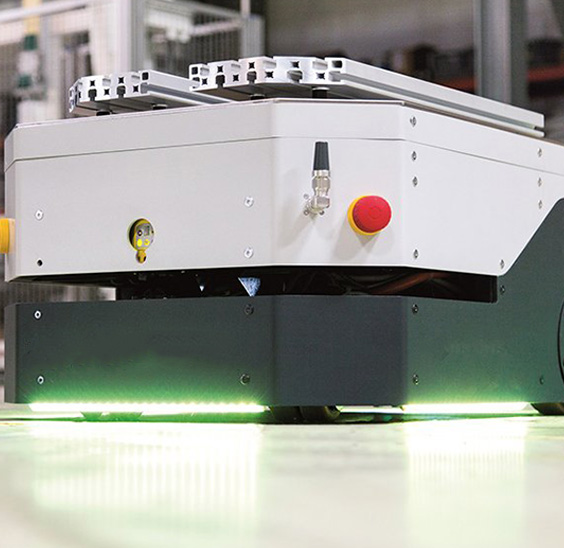
AGV

Automated robots
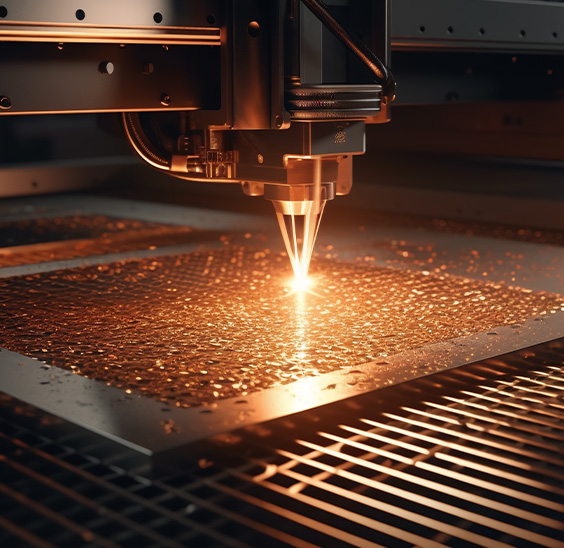
laser cutting

Logistics sorting

Photovoltaic power-station
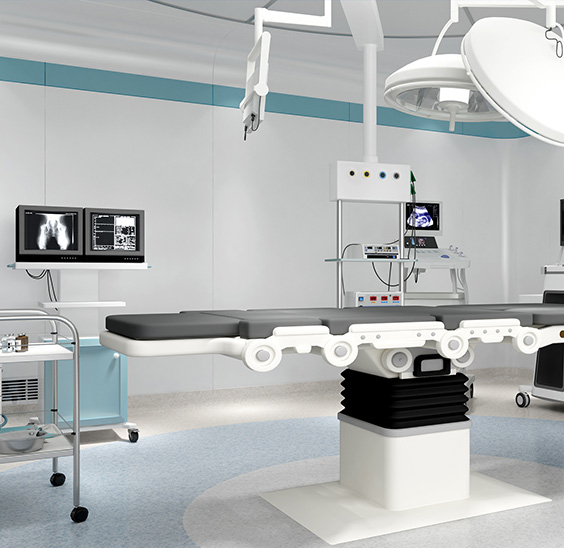
Medical devices
How Does a Disc Brake Chamber Work in Commercial Vehicles?
At its core, a disc brake chamber is a pneumatic actuator that converts compressed air energy into the mechanical force required to stop a heavy-duty commercial vehicle. Unlike traditional drum systems, the disc brake chamber works in conjunction with a caliper and a rotor (disc). When the driver presses the brake pedal, air pressure enters the chamber, pushing a diaphragm and a pushrod forward. This movement engages the brake caliper's internal mechanism, which clamps the brake pads against the spinning rotor, creating the friction necessary to decelerate the vehicle.
Content
- Understanding the Fundamental Role of the Disc Brake Chamber
- Key Components of a Disc Brake Chamber
- Types of Disc Brake Chambers
- Step-by-Step: The Operational Cycle
- Comparing Disc Brake Chambers and Drum Brake Chambers
- The Critical Role of the Parking Spring
- Signs of a Failing Disc Brake Chamber
- Maintenance Best Practices for Disc Brake Chambers
- Common FAQs About Disc Brake Chambers
- Conclusion
Understanding the Fundamental Role of the Disc Brake Chamber
In the world of commercial transportation—trucks, trailers, and buses—safety is paramount. The braking system is the most critical safety component, and the disc brake chamber is the "muscle" behind that system. While the air compressor generates the energy and the foot valve directs it, the chamber is where the actual physical work begins.
The transition from drum brakes to disc brakes in commercial fleets has been driven by the need for better heat dissipation and shorter stopping distances. The disc brake chamber is specifically designed to interface with air disc brake (ADB) calipers. It is typically more compact than drum chambers and is mounted directly onto the caliper housing.
The Science of Pneumatic Conversion
The operation of a disc brake chamber relies on the principles of fluid dynamics—specifically, the behavior of compressed air. In a heavy-duty vehicle, the air system maintains a pressure of approximately 100 to 120 PSI. When this pressure is introduced into the sealed environment of the disc brake chamber, it exerts a force against a flexible rubber diaphragm. Because the surface area of the diaphragm is large, even moderate air pressure results in thousands of pounds of linear force.
Key Components of a Disc Brake Chamber
To understand how a disc brake chamber functions, we must look at its internal anatomy. Each part is engineered to withstand extreme pressures and environmental conditions.
- Pressure Housing: The outer metal shell that contains the air pressure and protects internal components.
- Diaphragm: A heavy-duty, reinforced rubber disc that moves when air pressure is applied. It acts as the seal between the air inlet and the mechanical side.
- Return Spring: Once air pressure is released, this spring pushes the pushrod and diaphragm back to their original "rest" position, disengaging the brakes.
- Pushrod: A steel rod that transfers the movement of the diaphragm to the brake caliper's lever arm.
- Yoke (Clevis): The attachment point at the end of the pushrod that connects to the brake mechanism.
- Parking Spring (in Double Chambers): A massive, high-tension coil spring used for the emergency and parking brake functions.
Types of Disc Brake Chambers
Not all chambers are the same. Depending on their location on the vehicle (front axle vs. rear axle), the disc brake chamber may serve different purposes.
1. Service Brake Chamber (Single Chamber)
Usually found on steer axles, the service disc brake chamber consists of a single section. Its only job is to apply the brakes when the driver is actively pushing the pedal. It does not have a parking brake function. If the air pressure fails, this chamber cannot hold the vehicle in place.
2. Spring Brake Chamber (Double/Combination Chamber)
Commonly found on drive axles and trailer axles, this is a "piggyback" system. It consists of two sections: the service section and the parking/emergency section. The disc brake chamber in this configuration uses the parking spring to apply the brakes when there is no air pressure in the system. This acts as a failsafe; if the truck loses air pressure while driving, the spring will automatically apply the brakes to stop the vehicle.
Step-by-Step: The Operational Cycle
How the Disc Brake Chamber Activates:
- Air Intake: Compressed air travels through the brake lines and enters the disc brake chamber via the service port.
- Diaphragm Expansion: The air fills the space behind the diaphragm, forcing it to move forward.
- Pushrod Extension: The diaphragm pushes against the pushrod plate, extending the rod out of the housing.
- Caliper Engagement: The pushrod moves the lever arm on the disc brake caliper. This internal lever converts the linear motion into an axial movement of the bridge and power screw.
- Braking Friction: The power screw pushes the inner brake pad against the rotor. As the caliper slides on its pins, the outer pad is also pulled against the rotor.
- Release: When the driver releases the pedal, air exhausts from the disc brake chamber. The internal return spring retracts the pushrod, allowing the pads to move away from the rotor.
Comparing Disc Brake Chambers and Drum Brake Chambers
While both serve the same ultimate goal, the mechanical interface between the disc brake chamber and the rest of the system differs significantly from drum systems.
| Feature | Disc Brake Chamber | Drum Brake Chamber (S-Cam) |
| Mounting | Directly onto the caliper. | Onto a bracket on the axle housing. |
| Pushrod Length | Usually shorter and more standardized. | Often longer; requires manual cutting. |
| Force Application | Linear force to internal caliper lever. | Rotational force via a slack adjuster. |
| Maintenance | Less frequent adjustment needed. | Requires frequent slack adjustment checks. |
| Heat Sensitivity | Highly resistant to brake fade. | Prone to expansion and fade under heat. |
The Critical Role of the Parking Spring
In a disc brake chamber designed for drive or trailer axles, the parking spring is a safety marvel. This spring is held in a compressed state by air pressure during normal operation. This is why a truck needs to "build air" before it can move.
When the driver pulls the yellow parking brake knob, air is exhausted from the parking side of the disc brake chamber. With no air to hold it back, the massive spring expands, pushing the pushrod forward and locking the brakes. This mechanical lock ensures that even if the vehicle is parked for weeks and loses all its air, the brakes will remain applied.
Signs of a Failing Disc Brake Chamber
Fleet managers and drivers must be vigilant for signs of disc brake chamber wear. A failure can lead to dragging brakes, reduced stopping power, or a complete loss of braking on one wheel.
- Audible Air Leaks: Hissing sounds when the brakes are applied or released indicate a ruptured diaphragm.
- Brake Dragging: If the return spring inside the disc brake chamber is broken, the pads may not fully retract, causing the rotor to overheat.
- Slow Response: Contamination or corrosion inside the chamber can cause the pushrod to move sluggishly.
- Physical Damage: Dents in the housing can interfere with the movement of the diaphragm or spring.
Maintenance Best Practices for Disc Brake Chambers
To ensure the longevity of a disc brake chamber, regular inspections are required. While these units are often "sealed for life," their environmental exposure is extreme.
1. Regular Visual Inspection
Check for cracks in the housing and ensure the mounting bolts are torqued correctly. Since the disc brake chamber is mounted to the caliper, it experiences significant vibration.
2. Air System Cleanliness
Moisture is the enemy of the disc brake chamber. Water in the air lines can lead to internal corrosion and can freeze in winter, preventing the chamber from operating. Always maintain the vehicle's air dryer.
3. Rubber Boot Inspection
Most disc brake chamber designs include a rubber boot around the pushrod to prevent road salt, dirt, and water from entering the caliper. If this boot is torn, the entire braking system is at risk.
Common FAQs About Disc Brake Chambers
Q: Can I replace just the diaphragm in a disc brake chamber?
A: For service-only chambers, it is possible but often not cost-effective. For spring brake chambers, it is highly discouraged and often impossible due to the danger of the high-tension parking spring. Replacing the entire unit is the industry standard for safety.
Q: What does "caging the brakes" mean?
A: Caging refers to using a mechanical bolt (a caging bolt) to manually compress the parking spring inside the disc brake chamber. This is done when a vehicle has lost air pressure but needs to be towed. It "unlocks" the brakes manually.
Q: How long does a typical disc brake chamber last?
A: Under normal conditions, a high-quality disc brake chamber can last several years or hundreds of thousands of miles. However, exposure to chemical de-icers on winter roads can significantly shorten the lifespan of the metal housing.
Conclusion
The disc brake chamber is a masterpiece of safety engineering. By converting simple air pressure into the massive mechanical force needed to stop a 40-ton vehicle, it allows for the high-performance braking that modern commercial transport requires. Understanding its operation—from the movement of the diaphragm to the failsafe of the parking spring—is essential for any technician, fleet manager, or driver.
As the industry continues to move toward more advanced braking technologies, the disc brake chamber remains a foundational component, ensuring that whenever a driver hits the brakes, the vehicle responds with power, precision, and reliability.
Related products
-
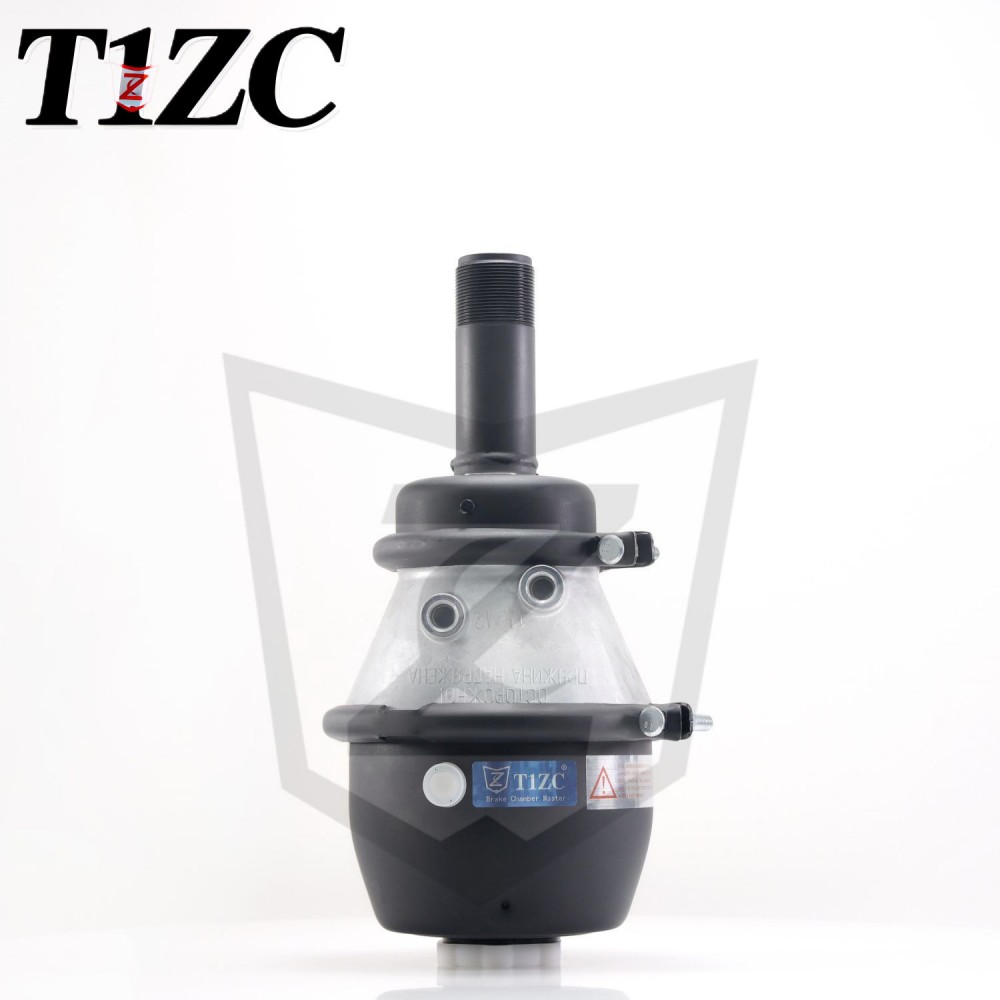
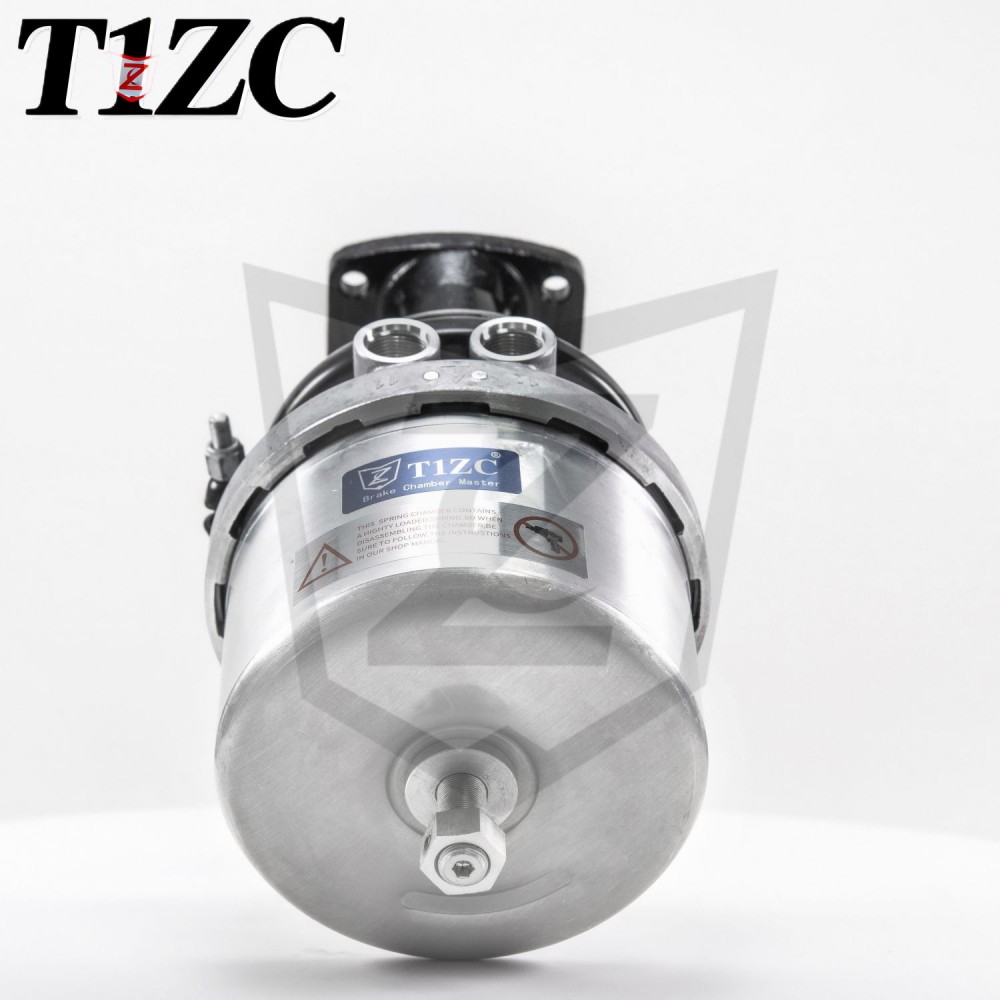
This brake chamber adopts a unique wedge-shaped design, combines advanced braking technology and high-quality materials, and is designed to provide stable, reliable and efficient braking performance t...
See Details -
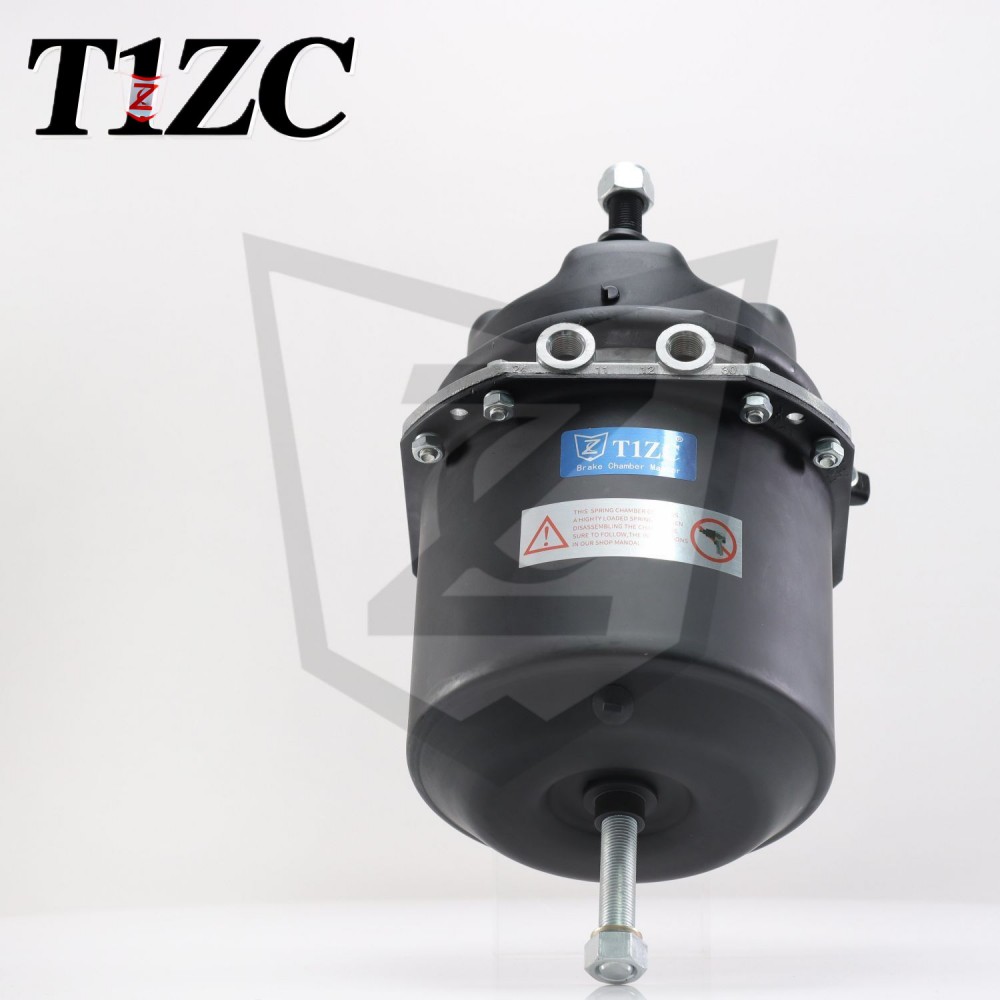
DP WEDGE BRAKE CHAMBER F-Series Regular Release This product is specially designed to meet the market's demand for efficient, stable and reliable braking systems. It uses advanced wedge braking techno...
See Details
CONTACT DETAILS
- Phone: +86-198 1775 0319
- TEL: +86-575 8909 8166
- E-mail: sale@t1zc.cn
- Office Address: 122-2 Busen West Road, Fengqiao Town, Zhuji, Zhejiang, China
If You Are Intrested
In Our Products,
Please Consult Us
Copyright © ZHUJI TEYI IMPORT&EXPORT CO.,LTD. All Rights Reserved.
China Brake Chamber Manufacturers
China Brake Chamber Supplier
