

 EN
EN  English
 Português
Application Industry
AGV

Automated robots
laser cutting

Logistics sorting

Photovoltaic power-station
Medical devices
What Are the Signs of a Faulty Disc Brake Chamber?
A disc brake chamber is a critical pneumatic component in air brake systems, commonly used on commercial trucks, trailers, and heavy-duty vehicles. When it begins to fail, the most immediate signs include audible air leaks, reduced braking force, uneven brake application, and visible physical damage to the chamber housing. Identifying these warning signs early can prevent brake failure, costly downtime, and serious road accidents.
Content
- What Is a Disc Brake Chamber and Why Does It Matter?
- Top Warning Signs of a Faulty Disc Brake Chamber
- Symptom Comparison: Normal vs. Faulty Disc Brake Chamber
- Common Causes of Disc Brake Chamber Failure
- Disc Brake Chamber Inspection & Replacement Guidelines
- How to Confirm a Disc Brake Chamber Has Failed
- Frequently Asked Questions (FAQ)
- Q1: Can I repair a faulty disc brake chamber instead of replacing it?
- Q2: How long does a disc brake chamber typically last?
- Q3: Is it safe to drive with a leaking disc brake chamber?
- Q4: How does a disc brake chamber differ from a drum brake chamber?
- Q5: What size disc brake chamber do I need for my vehicle?
- Q6: How much does it cost to replace a disc brake chamber?
- Conclusion
What Is a Disc Brake Chamber and Why Does It Matter?
A disc brake chamber converts compressed air pressure into the mechanical force needed to actuate disc brake calipers. Unlike drum brake chambers, disc brake chambers are designed to work with rotor-based braking systems, offering more consistent stopping performance under heavy loads and high-speed conditions.
There are two main types: service brake chambers (used during normal braking) and spring brake chambers (piggyback) (which also serve as parking/emergency brakes). A failure in either type can compromise vehicle safety significantly.
Top Warning Signs of a Faulty Disc Brake Chamber
1. Audible Air Leaks
One of the most obvious symptoms is a hissing or whistling sound coming from the brake area when air pressure is applied. A disc brake chamber relies on an airtight diaphragm to function properly. Cracks, tears, or worn seals in the diaphragm allow air to escape, producing this telltale noise. You can also detect leaks by applying soapy water around the chamber — bubbles confirm escaping air.
2. Reduced or Uneven Braking Force
If one wheel brakes less effectively than others, it often points to a failing disc brake chamber on that axle. Reduced air pressure reaching the chamber means less stroke is generated, resulting in weak caliper engagement. This imbalance can cause the vehicle to pull to one side during braking — a dangerous condition known as brake pull.
3. Excessive Pushrod Stroke
Each disc brake chamber has a specified maximum stroke length for its pushrod. If the stroke exceeds the manufacturer's limit during inspection, the chamber may be worn out or the slack adjuster may have failed. Excessive stroke reduces effective braking and is a common cause of brake fade.
4. Physical Damage to the Chamber Housing
Inspect the disc brake chamber visually during routine maintenance. Look for:
- Cracks or dents in the metal housing
- Corrosion or rust around the clamp band
- Damaged or missing dust boots
- Loose or missing mounting bolts
- Oil or fluid contamination on the chamber
5. Slow Brake Release or Brake Drag
A faulty disc brake chamber may not fully retract the pushrod after braking, causing the brake pads to remain partially engaged with the rotor. This results in brake drag — excessive heat buildup, accelerated pad and rotor wear, reduced fuel efficiency, and potential fire risk on long hauls.
6. Spring Brake Won't Release (For Piggyback Chambers)
In spring brake (piggyback) disc brake chambers, a failed diaphragm or broken internal spring can prevent the parking brake from releasing even when sufficient air pressure is supplied. This is a critical failure requiring immediate replacement.
7. Dashboard Warning Lights or Low Air Pressure Alerts
A leaking disc brake chamber can cause the system air pressure to drop below the minimum threshold (typically 60–65 PSI), triggering a low air pressure warning light or buzzer on the dashboard. Never ignore this alert — address it immediately.
Symptom Comparison: Normal vs. Faulty Disc Brake Chamber
| Indicator | Normal Condition | Faulty Disc Brake Chamber |
| Sound | Quiet operation | Hissing or air leak noise |
| Braking Force | Consistent on all wheels | Weak or uneven, vehicle pulls |
| Pushrod Stroke | Within specified limits | Exceeds maximum stroke limit |
| Brake Release | Full and immediate | Slow release or brake drag |
| Housing Condition | No visible damage | Cracks, rust, or contamination |
| Air Pressure | Stable system pressure | Drops below minimum threshold |
| Parking Brake | Engages/releases properly | Stuck engaged or fails to hold |
Common Causes of Disc Brake Chamber Failure
- Diaphragm fatigue: Repeated flex cycles degrade the rubber diaphragm over time.
- Moisture and corrosion: Water in the air lines accelerates internal rust and seal deterioration.
- Road debris impact: Rocks and debris can crack or dent the chamber housing.
- Oil contamination: Compressor oil entering the air system destroys rubber components rapidly.
- Improper installation: Incorrect torque on clamp bands or misaligned pushrods cause premature wear.
- Overloading: Consistently operating above rated load capacity stresses all brake components.
Disc Brake Chamber Inspection & Replacement Guidelines
| Maintenance Task | Recommended Interval | Notes |
| Visual inspection | Every 15,000 miles or quarterly | Check for leaks, damage, and mounting security |
| Pushrod stroke check | Every 25,000 miles | Must meet FMCSA stroke limits by chamber size |
| Air dryer service | Annually | Prevents moisture damage to chambers |
| Full chamber replacement | Upon confirmed failure or damage | Always replace as a complete unit — never repair |
How to Confirm a Disc Brake Chamber Has Failed
- Soap bubble test: Apply soapy water around all joints and seams with air pressure applied. Bubbles confirm leaks.
- Stroke measurement: With brakes fully applied, measure the pushrod extension and compare to the FMCSA maximum stroke table for your chamber size.
- Pressure drop test: With the engine off, monitor system pressure decay. A drop exceeding 2 PSI per minute indicates a leak source, possibly a chamber.
- Visual brake balance test: During a controlled stop, observe whether all wheels brake evenly and the vehicle tracks straight.
Frequently Asked Questions (FAQ)
Q1: Can I repair a faulty disc brake chamber instead of replacing it?
No. A disc brake chamber should always be replaced as a complete unit when a fault is confirmed. Repairing internal components like the diaphragm cannot guarantee the original safety rating of the unit and is not recommended by industry standards.
Q2: How long does a disc brake chamber typically last?
Under normal operating conditions with proper maintenance, a quality disc brake chamber can last between 200,000 and 500,000 miles. Harsh environments, frequent heavy braking, or contaminated air systems can significantly shorten its lifespan.
Q3: Is it safe to drive with a leaking disc brake chamber?
No. A leaking disc brake chamber is a critical safety defect. The vehicle should be taken out of service immediately until repaired. Continued driving risks total brake failure, which is especially catastrophic in heavy commercial vehicles.
Q4: How does a disc brake chamber differ from a drum brake chamber?
While both convert air pressure into mechanical force, a disc brake chamber actuates a caliper-and-rotor system, whereas a drum brake chamber actuates a cam or wedge mechanism inside a drum. Disc brake chambers typically require less stroke and deliver more precise, fade-resistant braking performance.
Q5: What size disc brake chamber do I need for my vehicle?
Disc brake chambers are classified by their effective diaphragm area in square inches (e.g., Type 16, Type 20, Type 24, Type 30). Always match the replacement chamber to the original specification stamped on the old unit or listed in the vehicle's service manual. Never substitute a smaller size.
Q6: How much does it cost to replace a disc brake chamber?
Replacement disc brake chamber parts typically range from $30 to $150 per unit depending on type and size. Labor costs vary by shop and vehicle type. Prompt replacement is far more cost-effective than dealing with damaged rotors, calipers, or accident liability.
Conclusion
A well-functioning disc brake chamber is essential to the safe operation of any air-braked commercial vehicle. Key signs of failure — air leaks, uneven braking, excessive stroke, physical damage, slow release, and pressure drops — should never be ignored. Regular inspections, proper air system maintenance, and prompt replacement of faulty units are the most effective ways to keep brake systems reliable and vehicles roadworthy.
Whether you operate a single truck or a full commercial fleet, understanding the health of your disc brake chambers is one of the most important aspects of preventive vehicle maintenance.
Related products
-
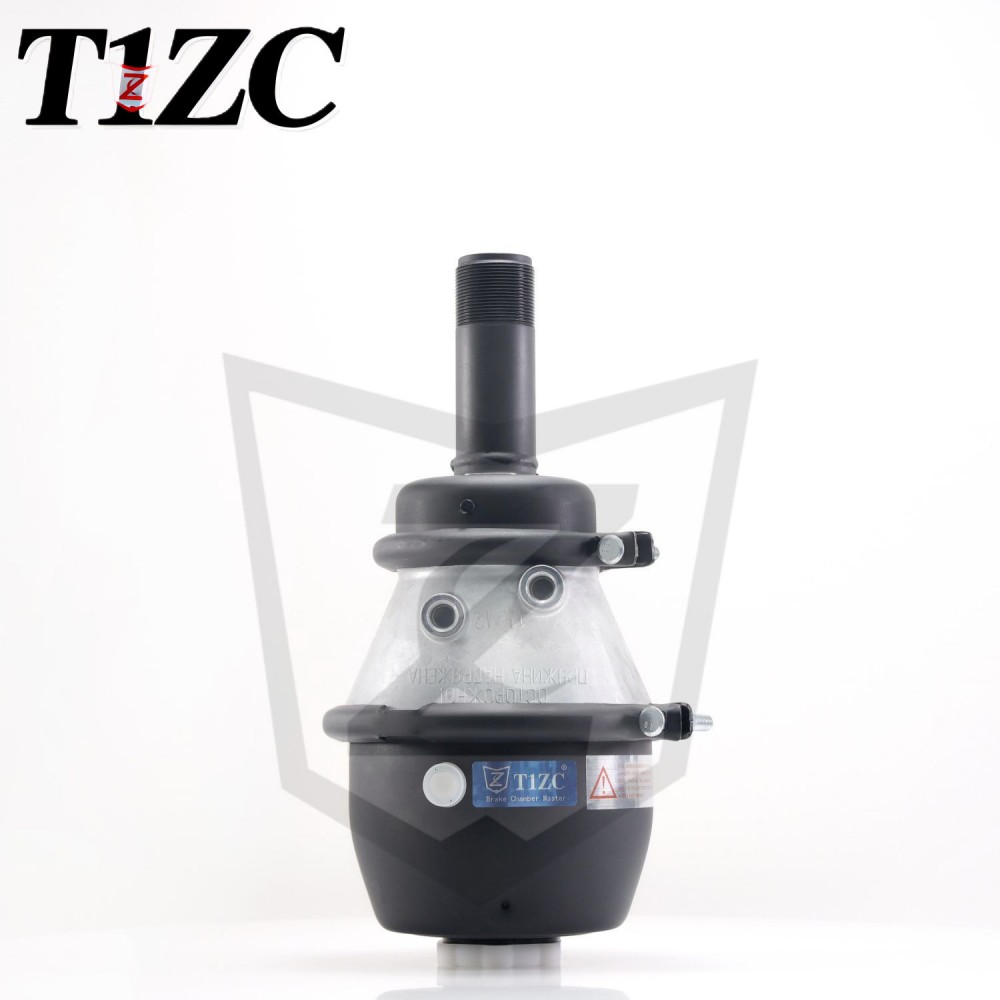
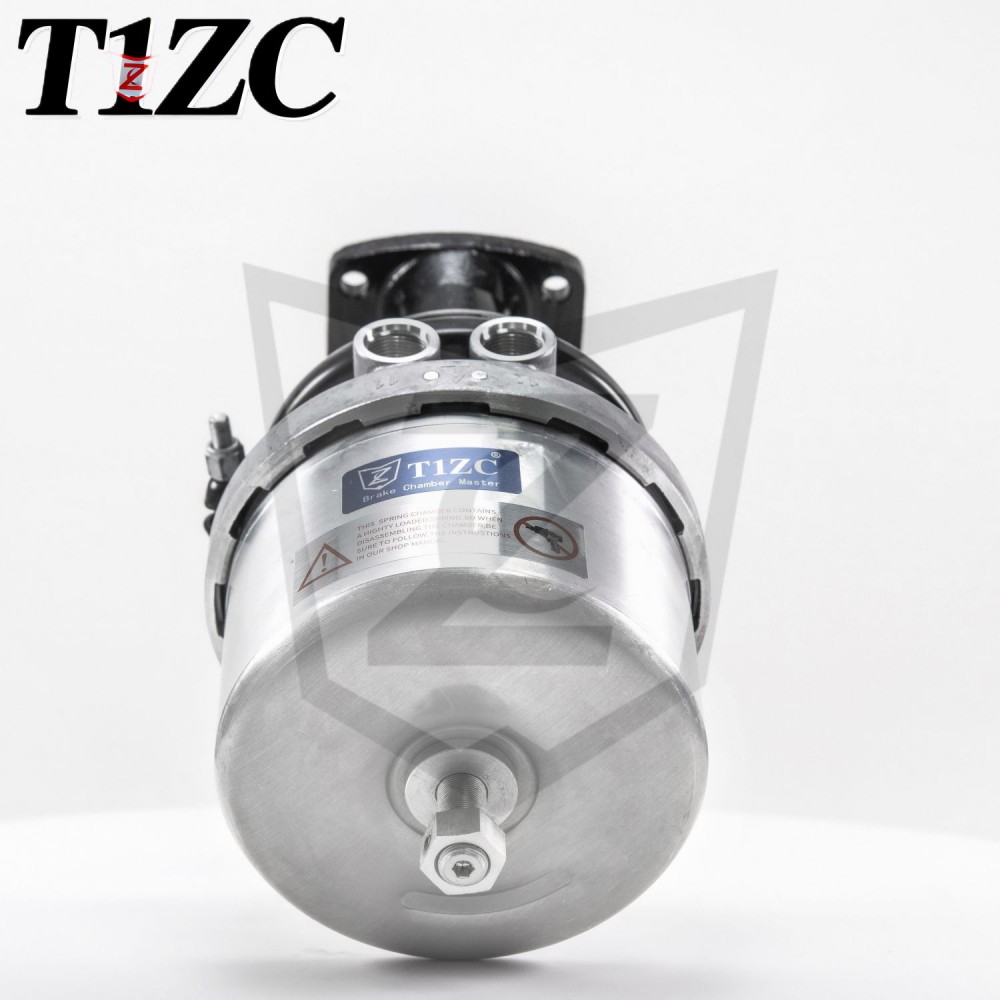
This brake chamber adopts a unique wedge-shaped design, combines advanced braking technology and high-quality materials, and is designed to provide stable, reliable and efficient braking performance t...
See Details -
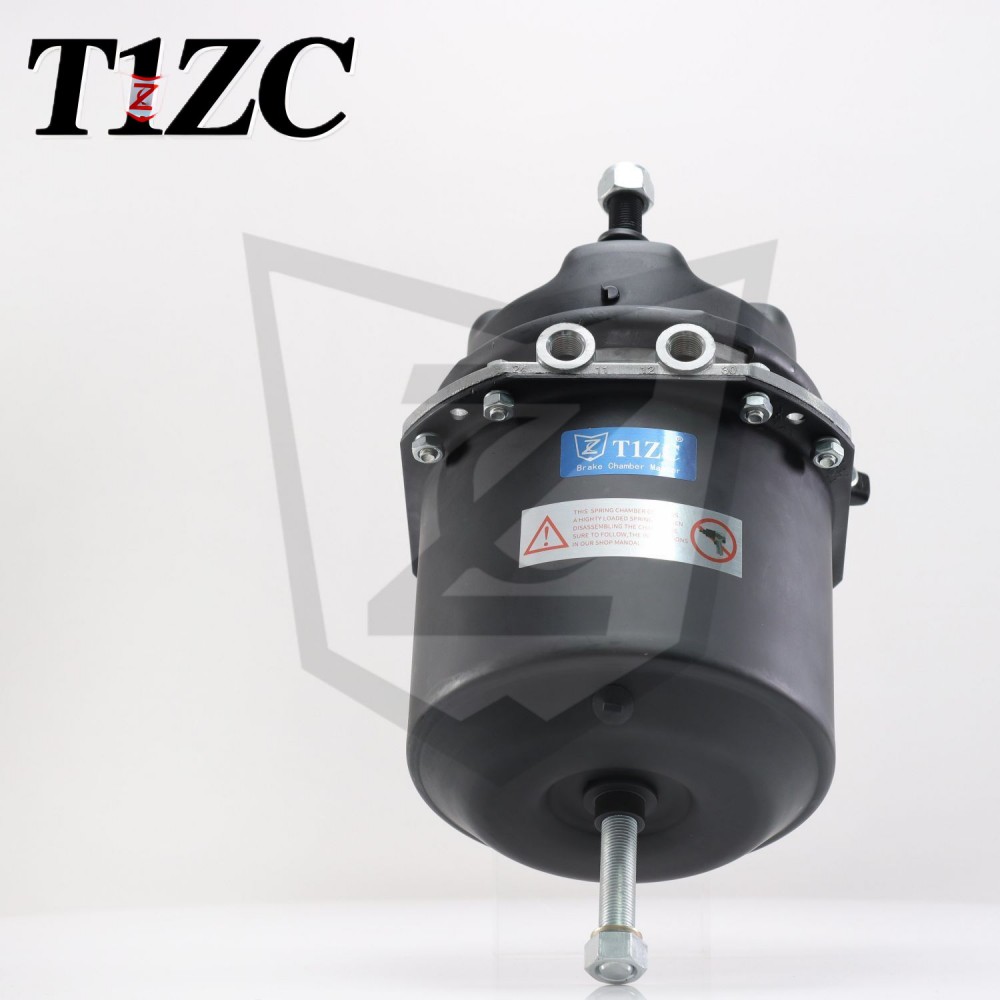
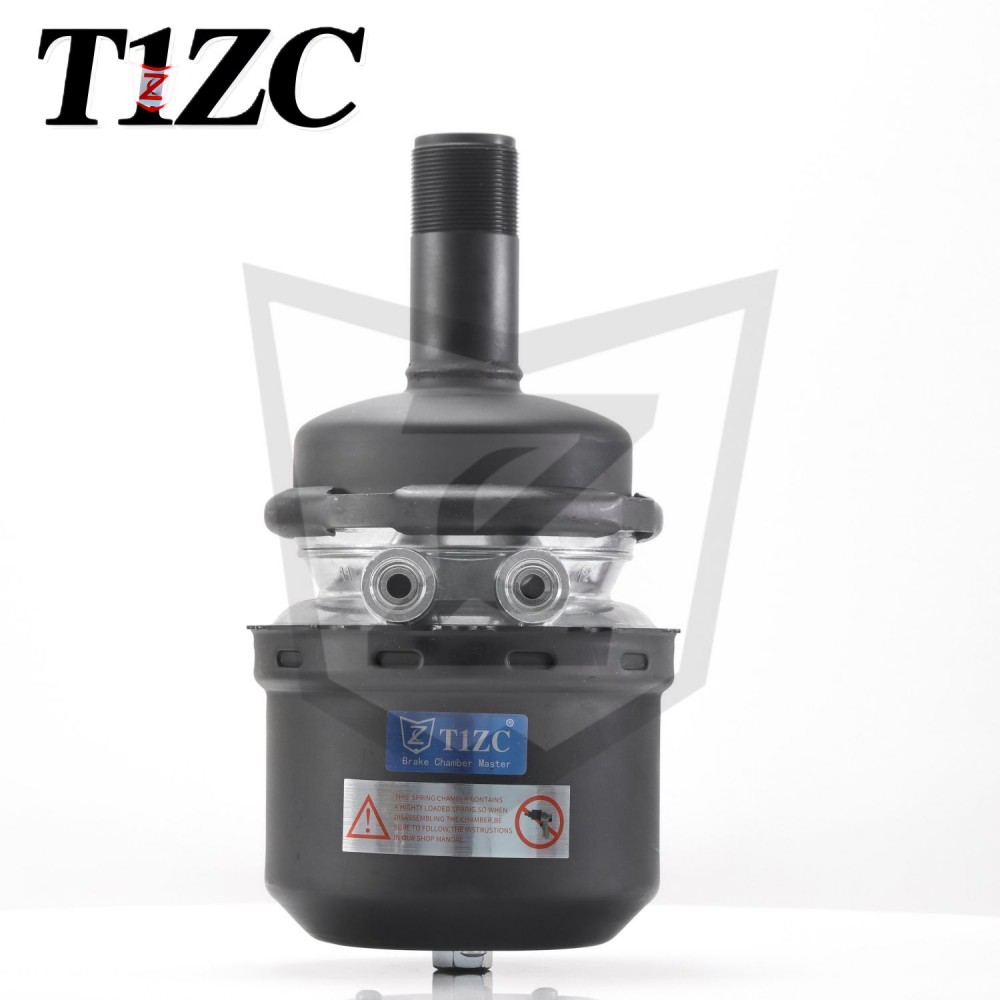
DP WEDGE BRAKE CHAMBER F-Series Regular Release This product is specially designed to meet the market's demand for efficient, stable and reliable braking systems. It uses advanced wedge braking techno...
See Details
CONTACT DETAILS
- Phone: +86-198 1775 0319
- TEL: +86-575 8909 8166
- E-mail: sale@t1zc.cn
- Office Address: 122-2 Busen West Road, Fengqiao Town, Zhuji, Zhejiang, China
If You Are Intrested
In Our Products,
Please Consult Us
Copyright © ZHUJI TEYI IMPORT&EXPORT CO.,LTD. All Rights Reserved.
China Brake Chamber Manufacturers
China Brake Chamber Supplier
