
 EN
EN  English
 Português




To replace a brake chamber, you must safely depressurize the air system, unbolt the old chamber, disconnect the push rod from the slack adjuster, mount the new chamber, reconnect all components, and test the system before returning the vehicle to service. This process typically takes 1–2 hours per axle and requires basic hand tools, proper safety caging equipment, and a replacement chamber matched to your vehicle's specifications.
A failing brake chamber is one of the most critical safety issues on any commercial truck, trailer, or heavy-duty vehicle. Whether you're dealing with a leaking diaphragm, a cracked housing, or a chamber that simply won't hold air, replacing it promptly is non-negotiable. This guide walks you through every stage of the replacement process — from identifying the right part to final road testing — so you can get back on the road safely and confidently.
Content
- What Is a Brake Chamber and Why Does It Fail?
- Types of Brake Chambers: Choosing the Right Replacement
- Tools and Materials You Will Need
- Safety Warnings Before You Begin
- Step-by-Step: How to Replace a Brake Chamber
- Step 1: Park the Vehicle and Secure the Work Area
- Step 2: Cage the Spring Brake (Piggyback Chambers Only)
- Step 3: Drain the Air System
- Step 4: Disconnect the Air Lines
- Step 5: Remove the Clevis Pin from the Slack Adjuster
- Step 6: Remove the Old Brake Chamber
- Step 7: Inspect the Mounting Bracket
- Step 8: Install the New Brake Chamber
- Step 9: Reconnect the Air Lines
- Step 10: Reconnect the Push Rod to the Slack Adjuster
- Step 11: Uncage the Spring Brake (If Applicable)
- Step 12: Leak Test and Brake Adjustment
- Service Chamber vs. Spring Brake Chamber: Key Differences
- How to Diagnose a Failing Brake Chamber Before Replacement
- Post-Replacement Checklist
- How Long Does a Brake Chamber Last?
- Frequently Asked Questions About Brake Chamber Replacement
- Conclusion
What Is a Brake Chamber and Why Does It Fail?
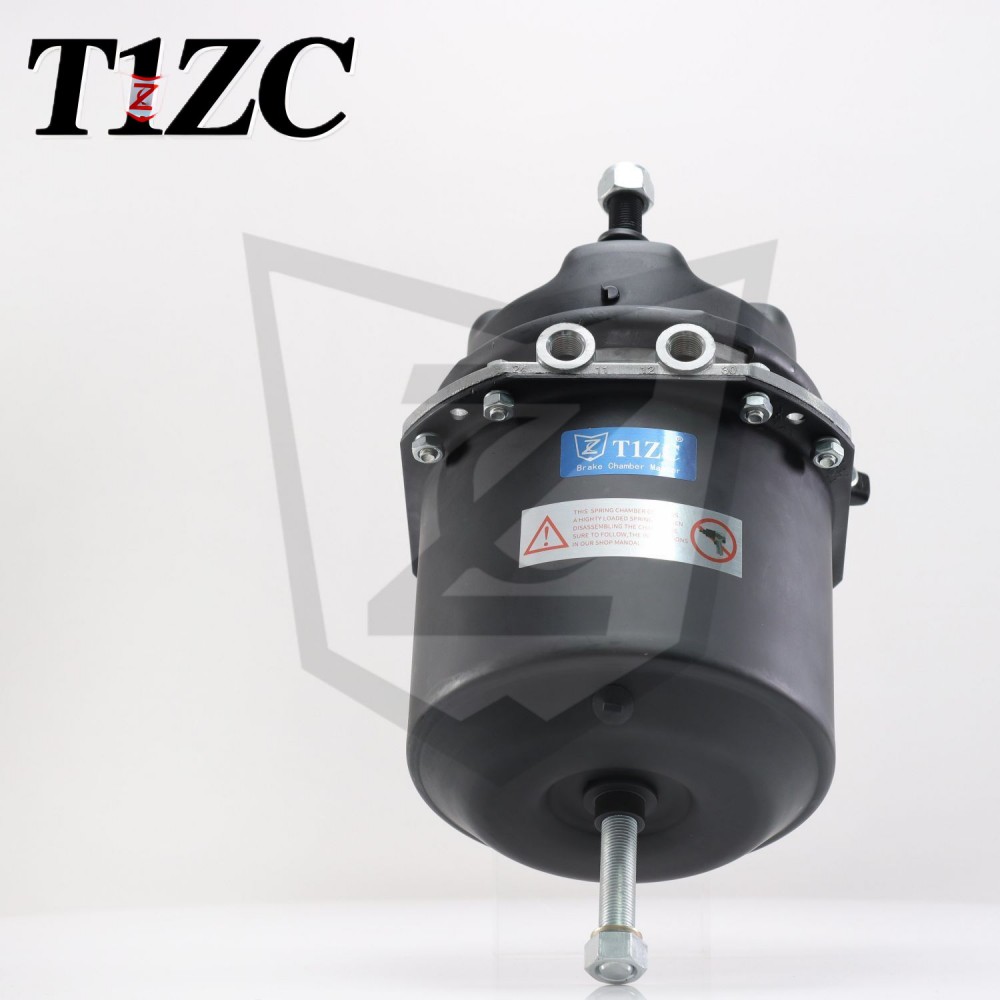
A brake chamber is a pneumatic actuator that converts air pressure into mechanical force to apply the brakes on air-braked vehicles. When the driver presses the brake pedal, compressed air enters the chamber, pushes against a flexible diaphragm, and extends a push rod that activates the slack adjuster and S-cam to press the brake shoes against the drum.
Brake chambers fail for several predictable reasons:
- Diaphragm deterioration: The rubber diaphragm cracks or hardens due to age, heat cycling, or chemical exposure, causing air leaks.
- Corrosion of the housing: Road salt and moisture penetrate the clamp band and corrode the steel housing halves.
- Broken return spring: A weak or broken return spring prevents the push rod from retracting fully, causing brake drag.
- Damaged push rod or clevis pin: Physical impact or worn hardware compromises the mechanical linkage.
- Spring brake failure (for combination chambers): The piggyback spring section on a type 30/30 or 24/24 chamber can lose clamping force or develop internal corrosion.
According to the Federal Motor Carrier Safety Administration (FMCSA), brake system defects — including faulty chambers — are among the top causes of out-of-service violations during roadside inspections. A single leaking chamber can reduce braking efficiency by up to 15–20% on that axle end.
Types of Brake Chambers: Choosing the Right Replacement
Before you replace a brake chamber, you must identify the correct type and size. Installing the wrong chamber is a common — and dangerous — mistake.
| Chamber Type | Common Application | Stroke Size | Special Notes |
| Type 16 | Steering axles on light trucks | 2.5 in standard | Service chamber only |
| Type 20 | Drive axles on medium trucks | 2.5 in standard | Service chamber only |
| Type 24 | Steering axles on Class 8 trucks | 2.5 or 3 in | Service chamber only |
| Type 30 | Drive axles on Class 8 trucks | 3 in standard | Service chamber only |
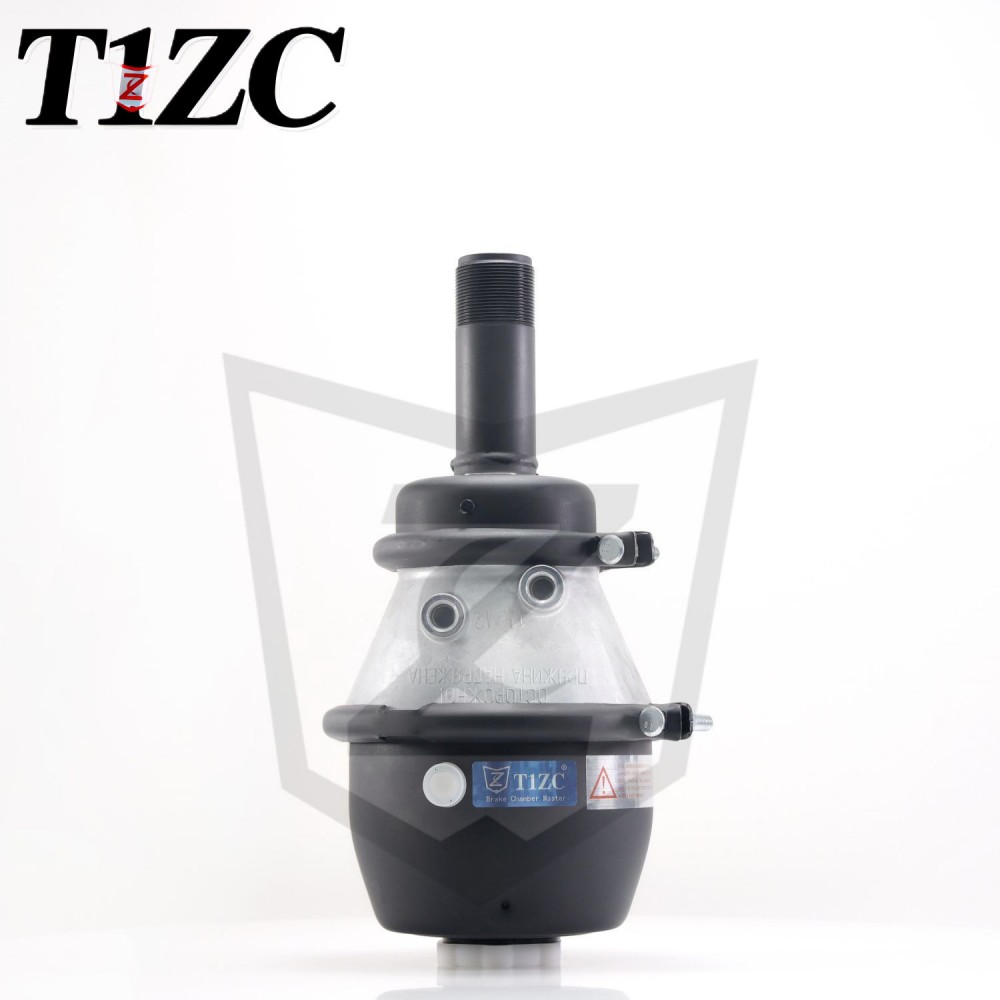
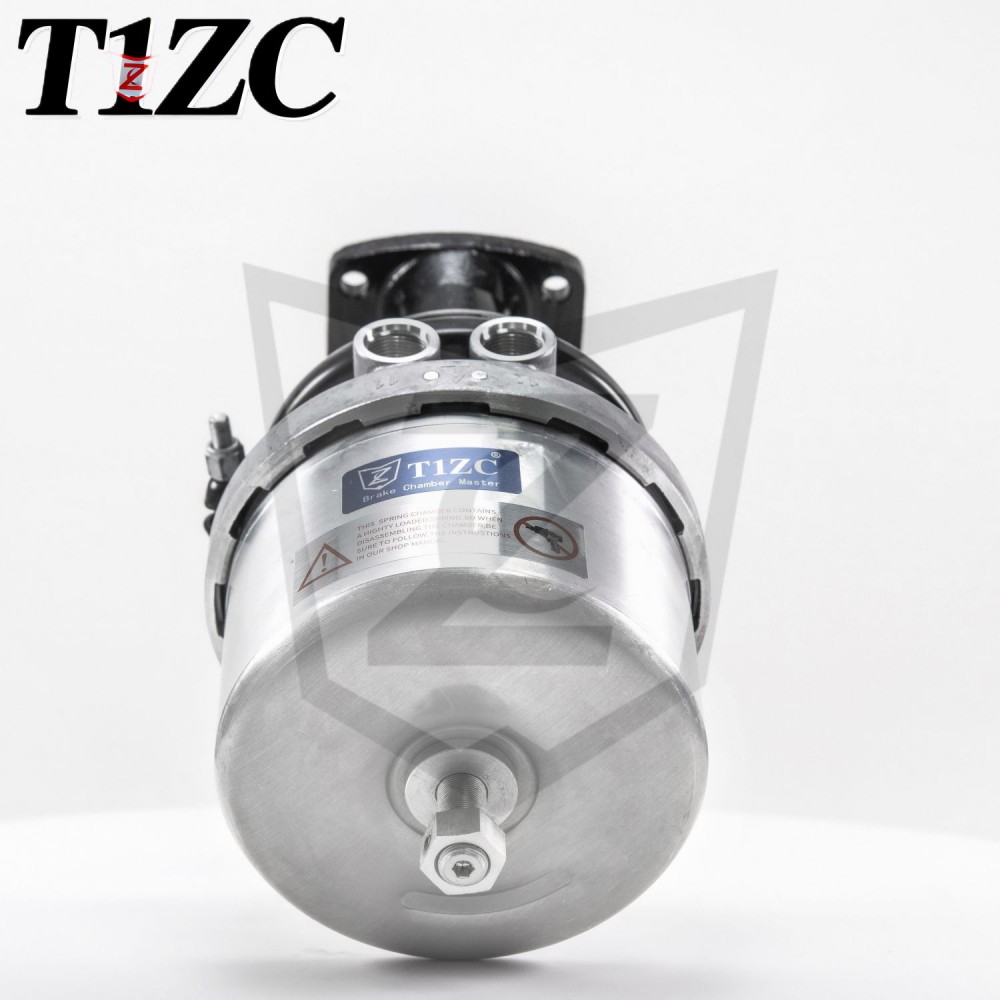
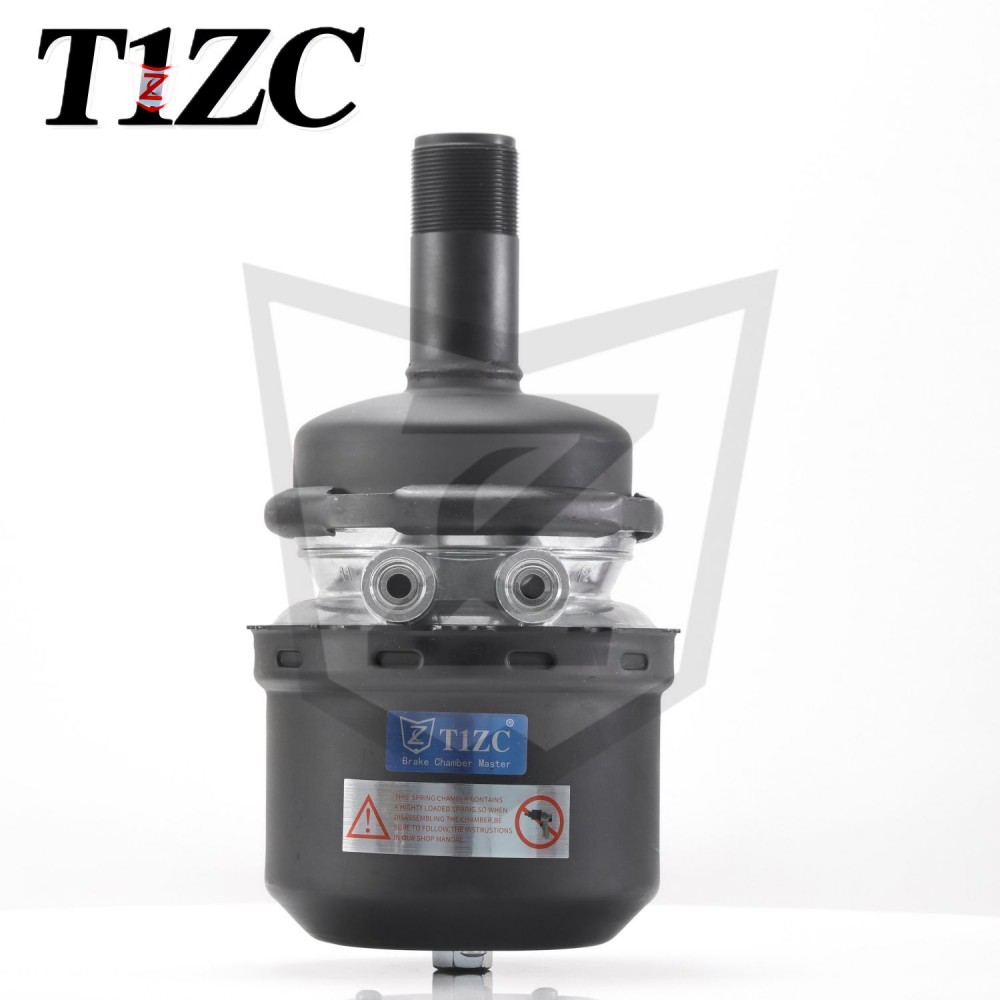
| Type 30/30 Piggyback | Rear axles requiring spring brake | 3 in | Contains powerful internal spring — must be caged before removal |
| Type 24/24 Piggyback | Trailers and some drive axles | 2.5 or 3 in | Contains powerful internal spring — must be caged before removal |
Table 1: Common brake chamber types, their typical applications, and key specifications to guide your replacement selection.
Always match the replacement chamber to the original by checking the type number stamped on the housing, the port orientation (clocked position of the air inlets), and the mounting stud pattern. Using a Type 30 where a Type 24 was installed will change the braking force and can cause premature component wear or an unbalanced brake system.
Tools and Materials You Will Need
Gathering the right tools before you start saves time and prevents having to improvise mid-job with the vehicle on stands.
- Safety: Jack stands (rated for vehicle weight), wheel chocks, safety glasses, gloves
- Spring brake caging tool (mandatory for piggyback/spring brake chambers)
- Air supply: Shop air compressor or the vehicle's own system (for testing)
- Wrenches: 3/4 in, 7/8 in, and 1-1/8 in combination wrenches or socket set
- Pliers: Slip-joint and needle-nose for clevis pin clips
- Wire brush and penetrating oil for corroded hardware
- Torque wrench: Capable of 100–200 ft-lb for mounting nuts
- Replacement brake chamber (correct type, stroke, and port orientation)
- Air line fittings and thread sealant (if air lines are damaged or corroded)
- Soap solution or electronic leak detector for post-installation testing
Safety Warnings Before You Begin
The spring inside a piggyback brake chamber stores approximately 1,500–2,000 lbs of force — enough to cause fatal injury if released suddenly. Never attempt to disassemble a spring brake chamber without first caging the spring using the manufacturer-supplied caging bolt and following all safety procedures.
- Always chock wheels on the opposite axle and engage the parking brake before beginning work.
- Completely exhaust all air from the system before disconnecting any air lines.
- Never weld, heat, or drill a spring brake chamber under any circumstances.
- Dispose of old spring brake chambers according to local regulations — many jurisdictions require special handling due to the compressed spring.
- If you are unsure whether you have a spring brake chamber, assume you do and treat it accordingly.
Step-by-Step: How to Replace a Brake Chamber
Follow these steps in order for a safe and correct brake chamber replacement on a commercial vehicle.
Step 1: Park the Vehicle and Secure the Work Area
Park on a flat, level surface and apply the parking brake. Chock the wheels on the axle you are NOT working on. Place wheel chocks front and back. Raise the vehicle if necessary and support it on rated jack stands — never work under a vehicle supported only by a jack.
Step 2: Cage the Spring Brake (Piggyback Chambers Only)
If your vehicle has combination spring brake chambers (piggyback style), you must cage the internal spring before removing the chamber. Locate the caging bolt access port — usually covered with a rubber plug — on the rear of the spring brake section. Insert the caging bolt, washer, and nut from inside the spring section. Tighten until the spring is fully compressed and the push rod is retracted. Most caging bolts require 150–300 turns to fully compress the spring. Do not proceed until the spring is fully caged.
Step 3: Drain the Air System
Open the drain cocks on all air tanks and allow the system to fully depressurize. Verify that the air pressure gauge reads zero and that no residual air remains in the lines by pressing the brake pedal — you should hear no air release. On vehicles where you cannot drain air pressure directly, disconnect the air supply hose to the chamber after caging the spring.
Step 4: Disconnect the Air Lines
Using the appropriate wrench, carefully disconnect the service line (usually the smaller port) and the emergency/supply line (the larger port on spring brake chambers) from the chamber. Use a rag to catch any residual moisture or oil. Inspect the fittings for damage — corroded or cracked fittings should be replaced now, not later.
Step 5: Remove the Clevis Pin from the Slack Adjuster
Locate the clevis at the end of the push rod where it connects to the slack adjuster arm. Remove the cotter pin or snap ring securing the clevis pin, then push or tap out the clevis pin. The push rod should now be free from the brake linkage. Note the push rod length at this point if you want a reference for setting the new chamber's stroke.
Step 6: Remove the Old Brake Chamber
The chamber is typically held to the bracket by two mounting studs with hex nuts (commonly 1-1/8 in). Use penetrating oil if the nuts are corroded and allow 5–10 minutes to soak. Remove the nuts and slide the chamber off the studs. The chamber may be heavy — a typical Type 30 piggyback weighs 15–25 lbs — so be prepared to support it. Do not drop a caged spring brake chamber; sudden impact could dislodge the caging hardware.
Step 7: Inspect the Mounting Bracket
Before installing the new chamber, inspect the mounting bracket for cracks, corrosion, or bent mounting studs. A damaged bracket will not provide secure support and could cause the chamber to shift under load. Replace the bracket if any damage is found — attempting to repair a cracked brake bracket with welding alone is not recommended for primary safety components.
Step 8: Install the New Brake Chamber
Orient the new chamber so the air ports align with your air lines without sharp bends or kinks. Slide the chamber onto the mounting studs and hand-tighten the mounting nuts. Torque the nuts to specification — typically 130–180 ft-lb for most Type 24 and Type 30 chambers, but always verify with the chamber manufacturer's data sheet. Over-torquing can crack the housing flange; under-torquing allows movement.
Step 9: Reconnect the Air Lines
Apply thread sealant to the male fittings and reconnect the air lines. The service port is typically marked "S" or "SVC" and the emergency/supply port is marked "E" or "EMER." Do not cross-connect these — a reversed connection will cause the spring brakes to remain applied at all times or fail to hold on a grade. Tighten fittings snugly but do not over-torque nylon or brass fittings.
Step 10: Reconnect the Push Rod to the Slack Adjuster
Adjust the clevis on the push rod so that the push rod length gives the correct brake angle. The standard practice is to set the slack adjuster arm at approximately 90 degrees to the push rod when the brakes are released. Insert the clevis pin through the slack adjuster and clevis, then secure with a new cotter pin or snap ring. Never reuse a worn cotter pin.
Step 11: Uncage the Spring Brake (If Applicable)
Build air pressure in the system to at least 60 PSI before uncaging the spring. Once pressure is confirmed, loosen and remove the caging bolt from the spring brake section. Replace the rubber access plug. The spring should now be held retracted by air pressure and will apply the brake when air pressure drops below approximately 20–40 PSI (the threshold varies by vehicle specification).
Step 12: Leak Test and Brake Adjustment
Build system pressure to operating level (typically 100–120 PSI). Apply soapy water or a commercial leak detector around all air line connections and the chamber housing. Any bubbling indicates a leak that must be fixed before the vehicle moves. Next, apply the brakes and check that the push rod stroke does not exceed the maximum rated stroke stamped on the chamber (commonly 2.5 in for a Type 30). If stroke is excessive, adjust the slack adjuster. On vehicles with automatic slack adjusters, manually apply and release the brakes 5–10 times to allow the adjuster to self-calibrate.
Service Chamber vs. Spring Brake Chamber: Key Differences
Understanding the difference between these two chamber types prevents costly mistakes during replacement.
| Feature | Service Chamber | Spring Brake Chamber (Piggyback) |
| Air ports | 1 (service only) | 2 (service + emergency) |
| Parking brake function | No | Yes — spring applies brakes when air is exhausted |
| Internal spring | Small return spring only | Large, powerful compression spring (~1,500–2,000 lbs force) |
| Pre-removal caging required | No | Yes — mandatory |
| Typical location on truck | Steer axle | Drive axle, trailer axle |
| Average weight | 5–10 lbs | 15–25 lbs |
| Replacement complexity | Moderate | High — requires caging, more air connections |
Table 2: A comparison of service-only and spring brake (piggyback) chambers to help technicians select the correct replacement and follow the right procedure.
How to Diagnose a Failing Brake Chamber Before Replacement
Correctly diagnosing a brake chamber before replacing it ensures you are fixing the actual problem. Several symptoms mimic brake chamber failure but actually originate elsewhere.
Signs of a Bad Brake Chamber
- Audible air leak near the wheel end: A hissing sound near a chamber indicates diaphragm failure or a cracked housing. Confirm by applying soap solution while the brakes are applied.
- Vehicle pulling to one side under braking: One dragging or non-functioning chamber on an axle creates uneven braking force.
- Excessive push rod stroke: If the push rod extends more than its rated stroke (measurable with a ruler while an assistant applies the brakes), the chamber diaphragm may not be holding pressure correctly.
- Brakes not fully releasing: A broken return spring prevents full push rod retraction.
- Low air pressure warning triggered frequently: A leaking diaphragm can cause the system to consume air faster than the compressor can replenish it.
- Spring brakes applying unexpectedly: On piggyback chambers, a ruptured service diaphragm can allow air into the spring section, triggering the parking brake unintentionally.
Conditions That Are NOT Brake Chamber Failure
- Glazed or worn brake shoes — these affect stopping power but not chamber function
- Out-of-adjustment slack adjusters — check adjustment before condemning the chamber
- Leaking air lines upstream of the chamber — trace the leak carefully
- Failed ABS sensor or modulator valve — these affect wheel lock-up, not chamber operation
Post-Replacement Checklist
Before returning the vehicle to service, complete every item on this checklist to ensure the repair is correct and safe.
| Check Item | Method | Pass Criteria |
| Air leaks at chamber | Soap solution with brakes applied | No bubbles visible |
| Push rod stroke | Ruler measurement at 90 PSI application | Does not exceed stamped max stroke |
| Push rod retraction | Visual check after brake release | Push rod fully retracted within 1 second |
| Mounting nuts torque | Torque wrench | Per manufacturer spec (typically 130–180 ft-lb) |
| Clevis pin and cotter pin | Visual inspection | New cotter pin installed and spread |
| Spring brake function | Exhaust air, confirm brakes apply | Brakes apply at or below 40 PSI |
| Road test | Low-speed stop from 20 mph | Vehicle stops straight with no pull |
Table 3: Post-replacement verification checklist to confirm brake chamber installation is safe and compliant before returning the vehicle to service.
How Long Does a Brake Chamber Last?
A quality brake chamber typically lasts 3–7 years or 200,000–500,000 miles under normal operating conditions. However, several factors significantly shorten service life:
- Exposure to road salt and moisture: Corrosion of the clamp band is the leading cause of premature failure in northern climates.
- Oil contamination: Air system oil from a failing compressor accelerates diaphragm degradation. A chamber that fails from oil contamination should prompt inspection of the compressor and air dryer.
- Frequent cycles: City driving with constant brake applications wears the diaphragm faster than highway operation.
- Improper mounting: A twisted or side-loaded push rod causes uneven diaphragm wear.
- Physical damage: Road debris impact can crack the housing or bend the push rod.
Frequently Asked Questions About Brake Chamber Replacement
Can I replace just the diaphragm instead of the whole chamber?
Yes, on service-only chambers you can purchase a rebuild kit containing a new diaphragm, return spring, and hardware for approximately 20–40% of the cost of a new chamber. However, for spring brake (piggyback) chambers, most manufacturers and safety regulations recommend replacing the entire unit rather than rebuilding, because the internal spring is under extreme pre-load and partial disassembly carries high injury risk.
Do I need to replace the brake chamber on both sides of an axle at the same time?
It is not strictly required, but it is best practice. Matching chambers on both sides of the same axle ensures symmetrical braking force and reduces the risk of the vehicle pulling to one side under hard braking. If one chamber is significantly older or more worn, replacing both saves another round of labor costs in the near future.
How much does brake chamber replacement cost?
A service-only chamber (Type 24 or 30) typically costs $25–$80 for the part. A combination spring brake chamber can cost $80–$200 depending on the type. Labor at a commercial truck shop ranges from $75–$150 per hour, and the job typically takes 1–2 hours per chamber. Expect a total cost of $200–$600 per chamber for a shop-performed replacement, or significantly less if you supply your own parts and perform the work yourself.
How do I know what size brake chamber I need?
Check the type number stamped into the chamber housing — this is a regulatory requirement under FMCSA rules, so every chamber is marked. You can also check the vehicle's axle specification tag, the original equipment manufacturer's parts manual, or measure the effective area of the diaphragm (Type 30 = 30 square inches of effective area). When in doubt, bring the old chamber to the parts counter for a direct match.
Is it legal to operate a vehicle with a leaking brake chamber?
No. A leaking brake chamber is an out-of-service condition under FMCSA regulations (49 CFR Part 393). A vehicle found to have a brake chamber leak during a roadside inspection will be placed out of service immediately and cannot move until repaired. Operating with a known brake defect also exposes the driver and carrier to significant liability in the event of an accident.
What happens if I install the wrong size brake chamber?
Installing a chamber that is too small generates less braking force on that wheel end, creating uneven braking across the axle and potentially failing to meet the vehicle's required deceleration rate. Installing one that is too large may exceed the rated capacity of the slack adjuster or mounting bracket. Either scenario is a safety violation and can result in brake failure or premature component wear.
Can I reuse the air line fittings from the old chamber?
You can reuse brass push-to-connect or compression fittings if they are in good condition, undamaged, and free of corrosion. However, since you already have the vehicle apart, replacing aging fittings costs only a few dollars and eliminates a likely future failure point. Always apply fresh thread sealant to any NPT (tapered pipe thread) fittings during reassembly.
Conclusion
Replacing a brake chamber is a manageable job for any experienced mechanic or technically capable owner-operator — but it demands precision, the right parts, and an unwavering commitment to safety. The most critical rule is simple: never remove a spring brake chamber without first caging the spring. Beyond that, matching the correct chamber type, torquing everything to specification, leak-testing under pressure, and verifying push rod stroke before road testing will ensure the repair is done right the first time.
A properly functioning brake chamber is not a component to defer or cut corners on. It is the direct link between the driver's brake pedal input and the mechanical force that stops tens of thousands of pounds of vehicle and cargo. Invest in quality replacement parts, follow the procedure carefully, and this repair will deliver years of reliable, safe service.
If at any point you are uncertain about the condition of the spring brake section, the mounting bracket, or the adjacent brake components, consult a qualified heavy-duty truck technician before proceeding. The cost of professional advice is always lower than the cost of a brake failure on the road.