

 EN
EN  English
 Português
Application Industry
AGV

Automated robots
laser cutting

Logistics sorting

Photovoltaic power-station
Medical devices
How to Troubleshoot Issues with a Wedge Brake Chamber
The Wedge Brake Chamber is a critical component in heavy-duty vehicles, ensuring reliable braking performance. However, like any mechanical part, it can face operational issues over time. Understanding how to troubleshoot these issues is essential for vehicle safety and efficiency.
Content
Common Symptoms of Wedge Brake Chamber Problems
- Reduced braking efficiency: Longer stopping distances or inconsistent braking pressure.
- Air leaks: Hissing sounds near the brake chamber may indicate a leak.
- Unusual noises: Grinding or squealing sounds during braking.
- Brake drag: Brakes that do not fully release after application.
Step-by-Step Troubleshooting Process
1. Inspect the Brake Chamber
Check for visible damage, rust, or deformation. Ensure all mounting bolts and connections are secure. A damaged Wedge Brake Chamber may need replacement rather than repair.
2. Check for Air Leaks
Listen for hissing sounds or use a soapy water solution to detect leaks at connections and hoses. Leaks can reduce braking pressure and affect performance.
3. Examine the Slack Adjuster and Push Rod
Ensure the slack adjuster is properly adjusted and the push rod moves smoothly. Misalignment can cause uneven brake application.
4. Test Brake Functionality
Apply the brakes at low speed and observe wheel response. Ensure brakes engage and release consistently. Irregularities may indicate internal chamber issues.
5. Consult Manufacturer Guidelines
Always refer to the Wedge Brake Chamber manufacturer’s manual for specifications and maintenance procedures. Using the correct tools and following recommended steps is crucial for safe troubleshooting.
Preventive Maintenance Tips
- Regularly inspect brake chambers for wear and tear.
- Keep air lines clean and free from moisture.
- Lubricate moving parts as recommended by the manufacturer.
- Replace worn or damaged components promptly.
FAQ about Wedge Brake Chamber Troubleshooting
Q1: How often should I inspect a Wedge Brake Chamber?
It is recommended to inspect brake chambers every 6,000 miles or during regular vehicle maintenance checks.
Q2: Can a Wedge Brake Chamber be repaired, or does it need replacement?
Minor issues like air leaks can sometimes be repaired, but severe damage or internal component failure usually requires replacement.
Q3: What are the dangers of ignoring Wedge Brake Chamber issues?
Ignoring problems can lead to brake failure, longer stopping distances, and increased risk of accidents, especially in heavy-duty vehicles.
Q4: Is professional help required for troubleshooting?
While basic inspections can be done by trained operators, complex repairs should always be performed by certified technicians to ensure safety.
Proper troubleshooting and maintenance of a Wedge Brake Chamber can significantly enhance vehicle safety and prolong the life of braking components. Regular inspections, timely repairs, and adherence to manufacturer guidelines are key to optimal performance.
Related products
-
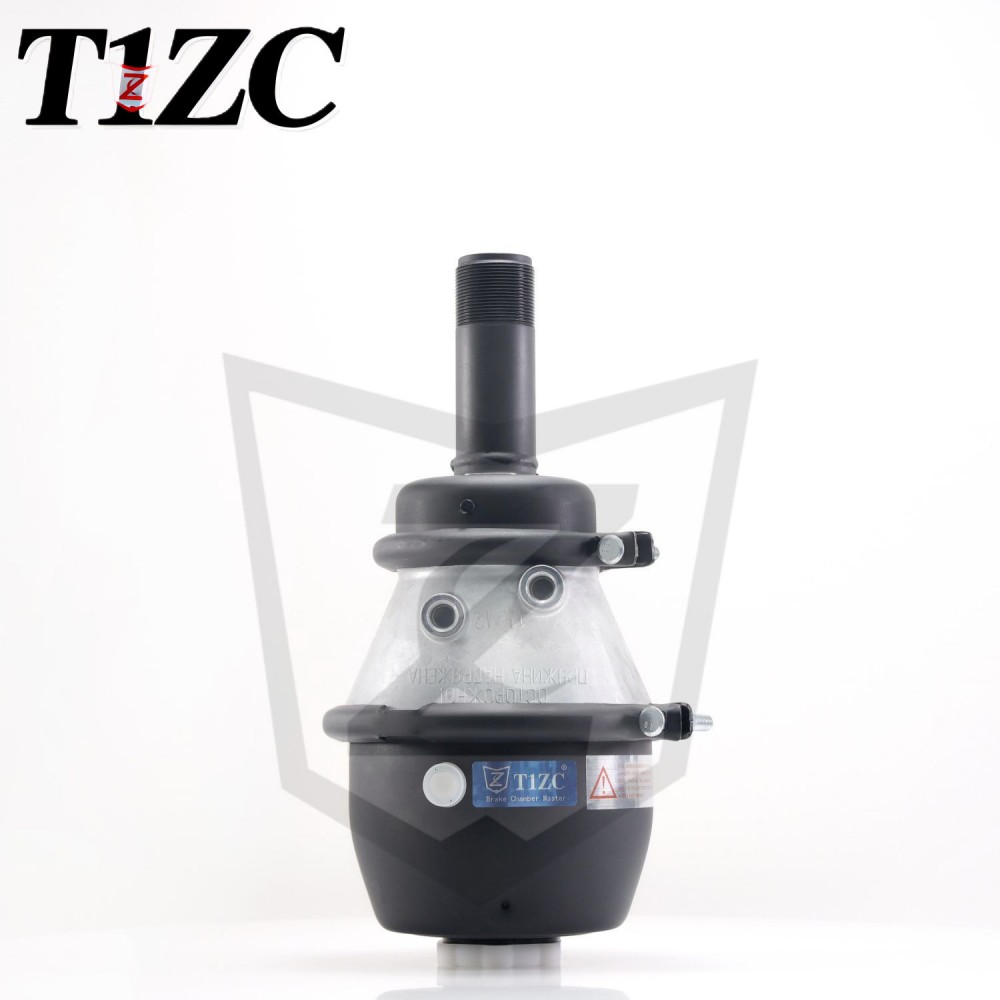
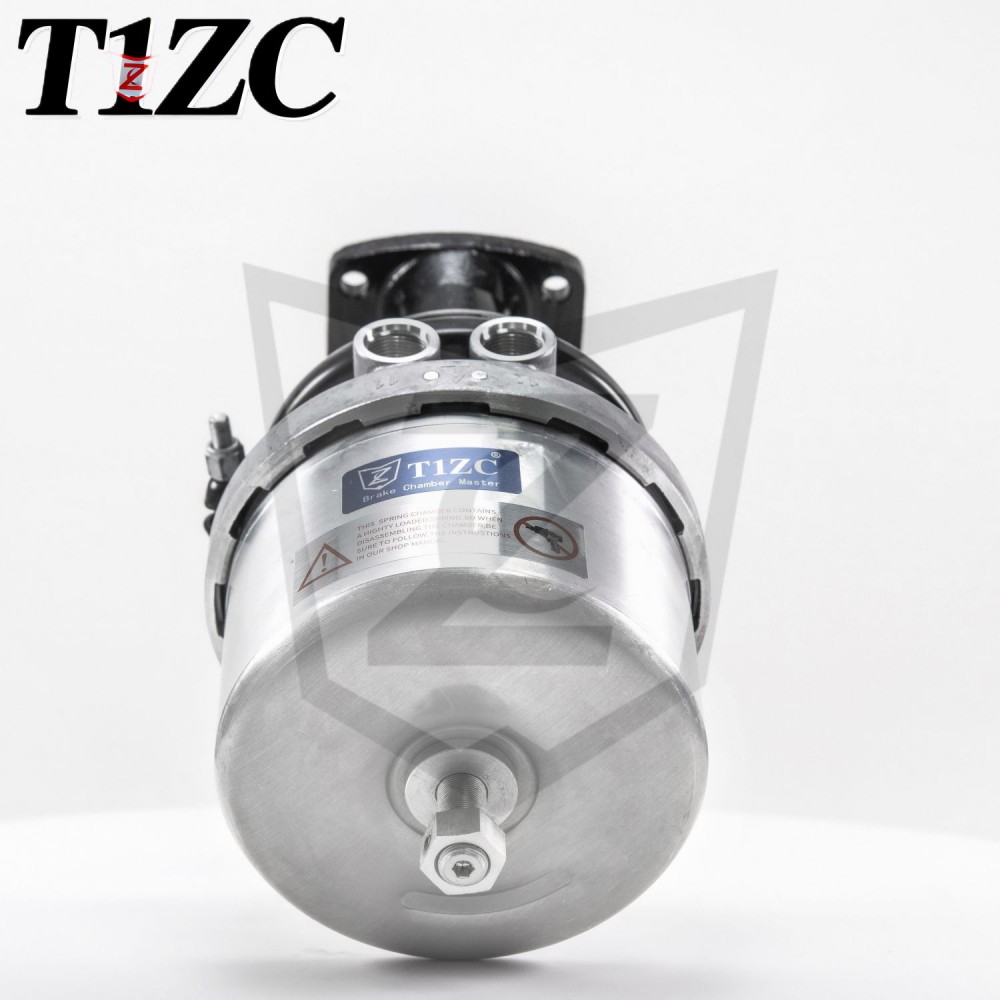
This brake chamber adopts a unique wedge-shaped design, combines advanced braking technology and high-quality materials, and is designed to provide stable, reliable and efficient braking performance t...
See Details -
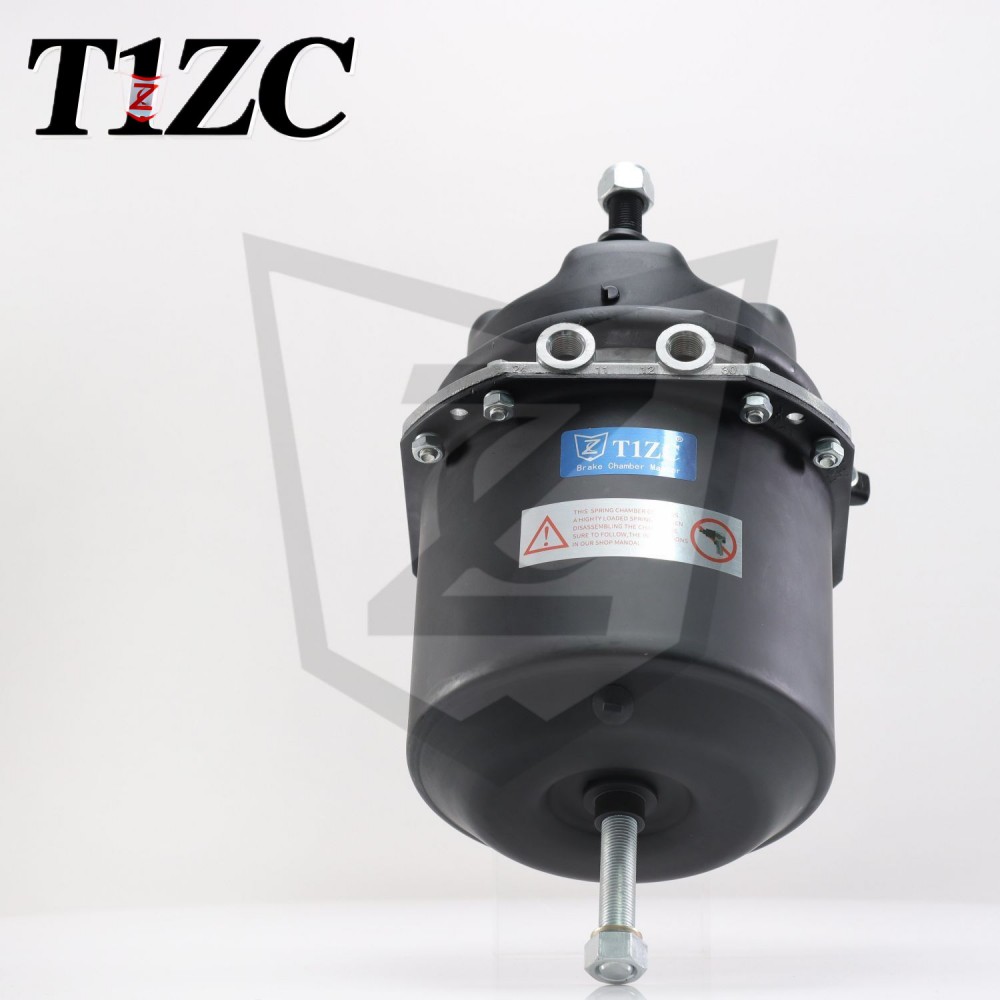
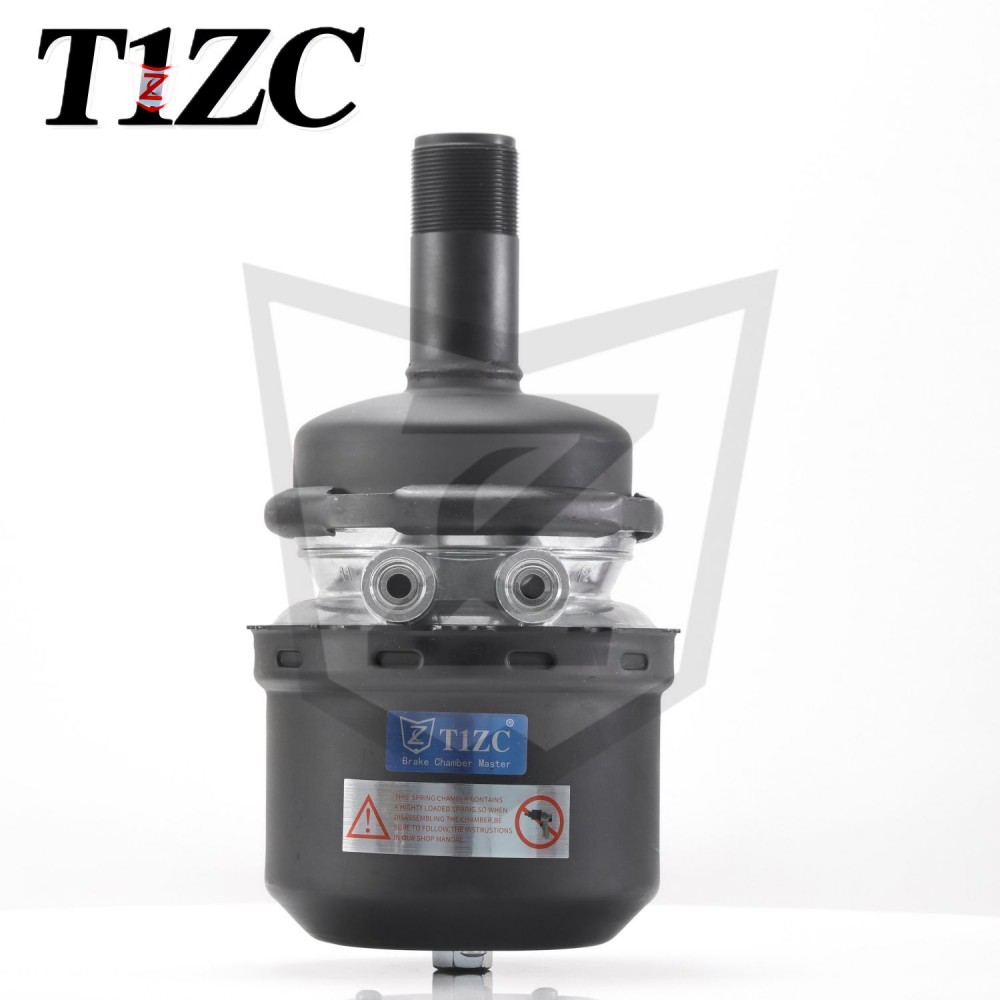
DP WEDGE BRAKE CHAMBER F-Series Regular Release This product is specially designed to meet the market's demand for efficient, stable and reliable braking systems. It uses advanced wedge braking techno...
See Details
CONTACT DETAILS
- Phone: +86-198 1775 0319
- TEL: +86-575 8909 8166
- E-mail: sale@t1zc.cn
- Office Address: 122-2 Busen West Road, Fengqiao Town, Zhuji, Zhejiang, China
If You Are Intrested
In Our Products,
Please Consult Us
Copyright © ZHUJI TEYI IMPORT&EXPORT CO.,LTD. All Rights Reserved.
China Brake Chamber Manufacturers
China Brake Chamber Supplier
