

 EN
EN  English
 Português
Application Industry
AGV

Automated robots
laser cutting

Logistics sorting

Photovoltaic power-station
Medical devices
Safety Precautions When Working with a Wedge Brake Chamber
Content
Understanding the Wedge Brake Chamber
The Wedge Brake Chamber is a critical component in heavy-duty braking systems, particularly for commercial trucks and trailers. Unlike traditional spring brake chambers, the wedge design uses a mechanical wedge to convert air pressure into braking force, providing reliable and efficient braking performance.
Key Components of a Wedge Brake Chamber
- Push Rod: Transmits the mechanical force generated by the wedge to the brake shoes.
- Wedge Mechanism: Converts air pressure into mechanical movement.
- Air Chamber: Houses pressurized air that actuates the braking system.
- Mounting Brackets and Hardware: Secure the chamber to the axle or brake assembly.
Essential Safety Precautions
Working with a Wedge Brake Chamber involves high mechanical tension and compressed air, making safety a top priority. Following the correct procedures reduces the risk of accidents or equipment damage.
1. Depressurize Before Maintenance
Always ensure the air system is fully depressurized before attempting any maintenance. Compressed air can cause sudden movement of the wedge or push rod, leading to severe injury.
2. Use Proper Protective Equipment
- Safety glasses to prevent debris or oil from entering the eyes.
- Gloves that provide mechanical protection against pinching hazards.
- Steel-toed boots to protect against heavy components.
3. Follow Manufacturer Guidelines
Each Wedge Brake Chamber has specific torque specifications and installation procedures. Always consult the manufacturer’s manual to ensure compliance with recommended practices.
4. Secure the Vehicle
Before working on the braking system, ensure the vehicle is properly chocked and stabilized. Accidental vehicle movement can result in dangerous situations.
5. Avoid Overloading the Wedge Mechanism
Do not exceed the rated air pressure for the brake chamber. Overloading can damage internal components and compromise safety.
Maintenance Best Practices
Regular Inspections
Perform routine checks for wear, corrosion, and air leaks. Inspect the push rod and wedge mechanism for smooth operation and absence of deformation.
Lubrication
Proper lubrication of moving components ensures efficient operation and extends the lifespan of the Wedge Brake Chamber. Use recommended grease types and avoid contamination of brake surfaces.
Replacing Worn Parts
Components such as the push rod, wedges, and seals should be replaced when signs of wear appear. Using worn parts can reduce braking efficiency and increase safety risks.
Common Hazards and How to Avoid Them
Pinch Points
The wedge and push rod mechanism create pinch points during operation. Keep hands and tools clear of moving parts to prevent injury.
Air Leaks
Air leaks can cause partial brake failure. Regularly check connections, hoses, and fittings for leaks and tighten or replace them as needed.
Incorrect Installation
Incorrect installation of the Wedge Brake Chamber can lead to brake malfunction. Always follow alignment and torque specifications precisely.
Advanced Safety Tips for Technicians
Use Proper Tools
Specialized tools such as wedge removal kits, torque wrenches, and air pressure gauges are essential for safe and efficient maintenance.
Training and Certification
Technicians working with Wedge Brake Chambers should receive formal training on air brake systems, hazard recognition, and emergency procedures.
Emergency Preparedness
Maintain access to first aid kits and know the emergency shutdown procedures for compressed air systems. Quick response can prevent injuries in case of accidental chamber release.
FAQs About Wedge Brake Chamber Safety
Q1: Can I service a Wedge Brake Chamber without depressurizing the system?
No. Working on a pressurized brake chamber can cause sudden movement of components, resulting in serious injury or equipment damage.
Q2: How often should a Wedge Brake Chamber be inspected?
Inspections should be conducted at least every 6,000 miles or as recommended by the manufacturer, focusing on wear, air leaks, and mechanical integrity.
Q3: What are the signs of a failing Wedge Brake Chamber?
- Unusual noises during braking
- Reduced braking efficiency
- Visible wear or deformation of components
- Air leaks around the chamber or fittings
Q4: Is special training required to work with Wedge Brake Chambers?
Yes. Due to high mechanical forces and air pressure hazards, proper training and safety certification are strongly recommended for anyone servicing these systems.
Conclusion
Prioritizing safety when working with a Wedge Brake Chamber protects both personnel and vehicles. Following manufacturer guidelines, using proper tools, and maintaining a disciplined approach to inspections and maintenance ensure reliable braking performance and reduce the risk of accidents. Implementing these precautions consistently enhances both operational efficiency and safety in heavy vehicle braking systems.
Related products
-
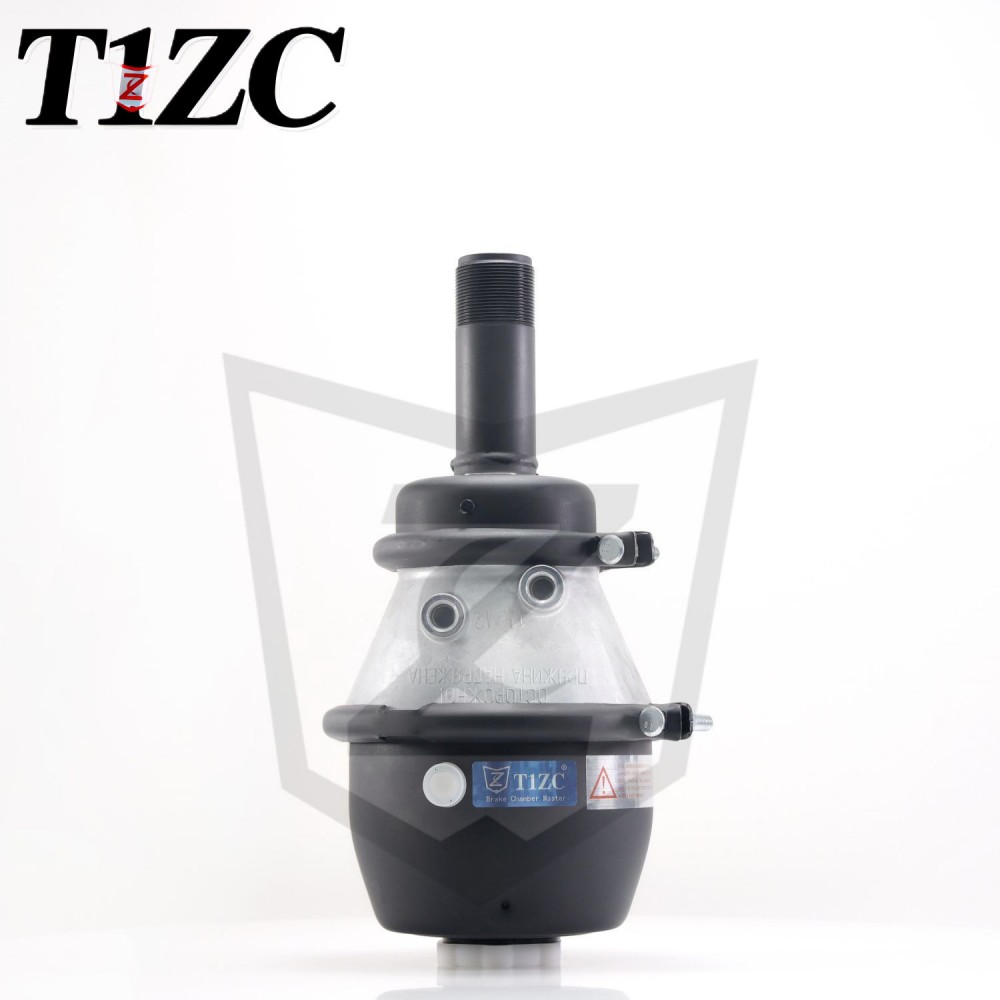
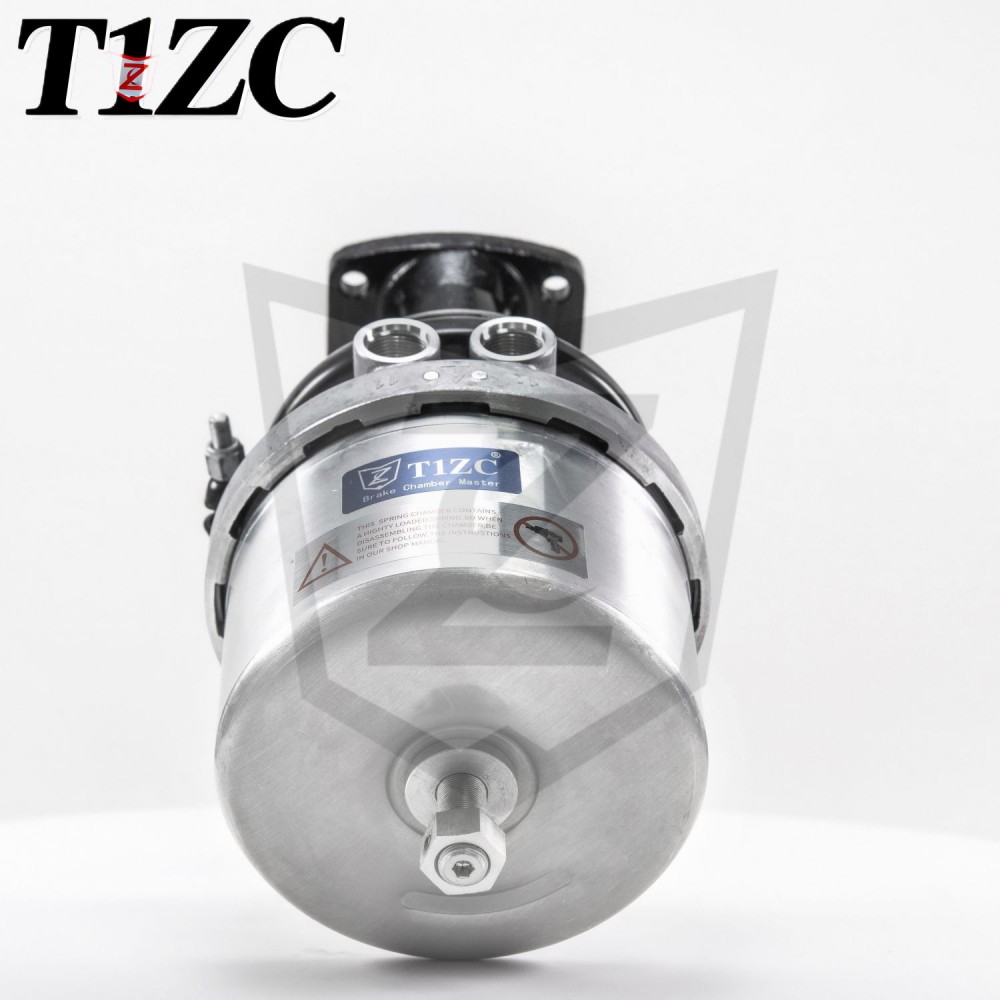
This brake chamber adopts a unique wedge-shaped design, combines advanced braking technology and high-quality materials, and is designed to provide stable, reliable and efficient braking performance t...
See Details -
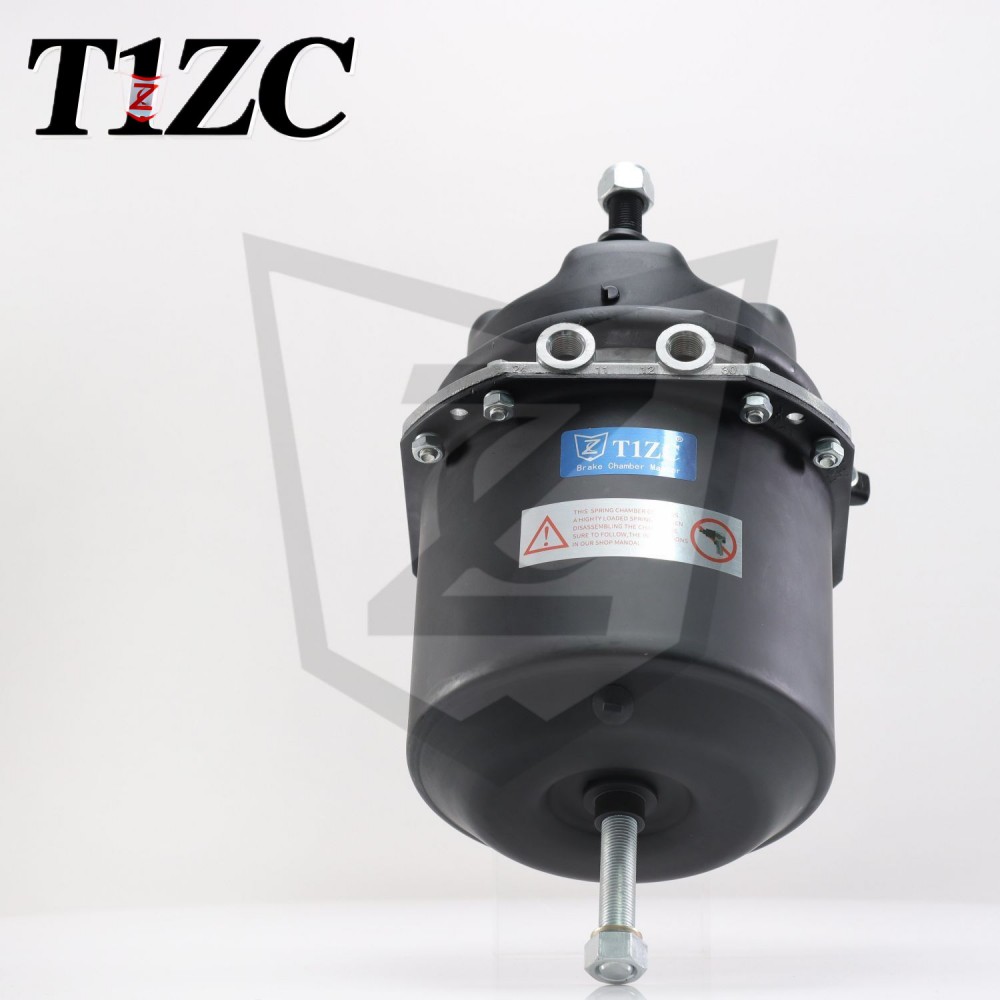
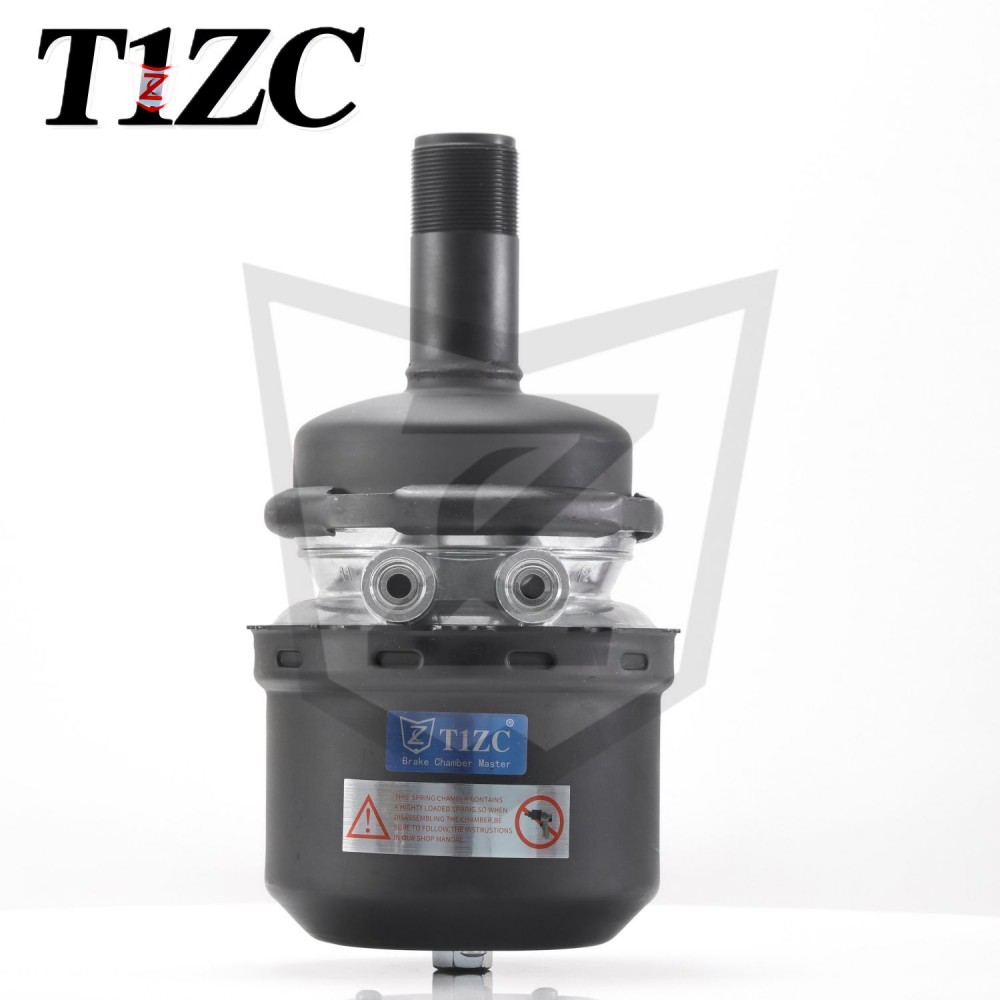
DP WEDGE BRAKE CHAMBER F-Series Regular Release This product is specially designed to meet the market's demand for efficient, stable and reliable braking systems. It uses advanced wedge braking techno...
See Details
CONTACT DETAILS
- Phone: +86-198 1775 0319
- TEL: +86-575 8909 8166
- E-mail: sale@t1zc.cn
- Office Address: 122-2 Busen West Road, Fengqiao Town, Zhuji, Zhejiang, China
If You Are Intrested
In Our Products,
Please Consult Us
Copyright © ZHUJI TEYI IMPORT&EXPORT CO.,LTD. All Rights Reserved.
China Brake Chamber Manufacturers
China Brake Chamber Supplier
