 EN
EN  English
 Português
Home / Blogs / Industry News / Is a Wedge Brake Chamber More Efficient Than Traditional Brake Chambers?


Application Industry
AGV

Automated robots
laser cutting

Logistics sorting

Photovoltaic power-station
Medical devices
Is a Wedge Brake Chamber More Efficient Than Traditional Brake Chambers?
The Wedge Brake Chamber represents a modern evolution in commercial vehicle braking systems. Unlike traditional S-cam brake chambers, which rely on a push rod to transfer air pressure into mechanical force, wedge brake chambers use a wedge mechanism to amplify the braking force. This design offers a unique approach to achieving faster response times, higher efficiency, and reduced maintenance requirements in heavy-duty vehicles.
Content
- How Wedge Brake Chambers Work
- Comparison Between Wedge Brake Chambers and Traditional Brake Chambers
- Applications of Wedge Brake Chambers
- Advantages of Wedge Brake Chambers
- Disadvantages and Considerations
- FAQ About Wedge Brake Chambers
- Q1: Are Wedge Brake Chambers compatible with all heavy-duty vehicles?
- Q2: Do Wedge Brake Chambers require more air pressure than traditional chambers?
- Q3: How often do Wedge Brake Chambers need maintenance?
- Q4: Can Wedge Brake Chambers improve fuel efficiency?
- Q5: Are there any safety concerns with Wedge Brake Chambers?
How Wedge Brake Chambers Work
The operation of a Wedge Brake Chamber involves air pressure driving a piston that pushes a wedge between two brake shoes, forcing them outward to make contact with the drum. This wedge mechanism converts a smaller air pressure input into a stronger braking force. Key benefits include a more consistent brake application and improved modulation, which can enhance both safety and drivability.
Key Components
- Piston: Converts air pressure into mechanical motion.
- Wedge: Amplifies the force applied to the brake shoes.
- Brake Shoes: Engage with the brake drum to stop the vehicle.
- Return Springs: Reset the system after brake release.
Comparison Between Wedge Brake Chambers and Traditional Brake Chambers
Understanding the differences between Wedge Brake Chambers and traditional S-cam chambers is crucial for fleet operators and vehicle owners who want to maximize efficiency and safety.
1. Force Amplification
Traditional S-cam brake chambers rely on a direct push rod mechanism. While effective, the force applied is generally proportional to the input pressure and mechanical leverage. In contrast, wedge brake chambers utilize the wedge mechanism to amplify the force. This allows the vehicle to achieve equivalent or higher braking power using less air pressure, improving energy efficiency.
2. Brake Response Time
The Wedge Brake Chamber system can reduce response time due to its direct wedge engagement. Traditional chambers have more mechanical play, which may result in slower brake application, especially under heavy loads or when components are worn. Faster response improves driver control and reduces stopping distance.
3. Maintenance and Durability
- Traditional Brake Chambers: Require frequent inspection of S-cam and push rod alignment, lubrication of moving parts, and regular adjustment of slack to maintain braking efficiency.
- Wedge Brake Chambers: Fewer moving parts and reduced mechanical friction lead to lower wear rates. Additionally, the wedge mechanism self-adjusts in many designs, minimizing the need for regular maintenance.
4. Safety Considerations
Wedge brake chambers provide more consistent braking force, reducing the risk of uneven or delayed braking in emergency situations. Their ability to generate higher force with less air pressure ensures safer stopping even in heavy-load scenarios. Traditional brake chambers, while reliable, may require more careful monitoring to maintain consistent brake performance.
Applications of Wedge Brake Chambers
Wedge Brake Chambers are increasingly used in:
- Heavy-duty trucks and trailers
- Buses and coaches
- Construction and mining vehicles
- Fleet vehicles seeking reduced maintenance and higher brake efficiency
Their adoption is particularly advantageous for vehicles that undergo frequent braking under heavy loads, as the enhanced force amplification and faster response improve operational efficiency and safety.
Advantages of Wedge Brake Chambers
- Higher braking efficiency with lower air pressure requirements
- Faster brake response and improved modulation
- Reduced maintenance due to fewer moving parts and self-adjusting design
- Improved safety under heavy-load and emergency conditions
- Longer service life of brake shoes and associated components
Disadvantages and Considerations
While Wedge Brake Chambers offer many benefits, there are a few considerations:
- Higher initial cost compared to traditional S-cam brake chambers
- Specialized knowledge required for installation and repair
- Limited compatibility with older brake drum systems
Fleet managers must weigh these factors against long-term efficiency gains and reduced maintenance costs.
FAQ About Wedge Brake Chambers
Q1: Are Wedge Brake Chambers compatible with all heavy-duty vehicles?
Not all vehicles are compatible, especially older models with traditional drum configurations. Compatibility depends on the brake system design and mounting standards.
Q2: Do Wedge Brake Chambers require more air pressure than traditional chambers?
No, they typically require less air pressure to achieve the same or higher braking force due to the wedge amplification mechanism.
Q3: How often do Wedge Brake Chambers need maintenance?
Maintenance is less frequent than traditional S-cam chambers. Most wedge brake systems are designed to self-adjust, though periodic inspection is still recommended.
Q4: Can Wedge Brake Chambers improve fuel efficiency?
Indirectly, yes. Reduced braking energy requirements and lower system resistance can contribute to more efficient vehicle operation, though the primary benefits are safety and reduced wear.
Q5: Are there any safety concerns with Wedge Brake Chambers?
Wedge brake chambers are generally safer due to faster response and more consistent braking force. The main concern is ensuring proper installation and regular inspection to maintain optimal performance.
The Wedge Brake Chamber offers a significant upgrade over traditional brake chambers, providing faster response, higher efficiency, reduced maintenance, and improved safety. While initial costs may be higher, the long-term advantages make wedge brake systems an appealing choice for modern heavy-duty vehicles. Fleet operators seeking enhanced braking performance and reduced operational downtime can benefit greatly from adopting wedge brake technology.
Related products
-
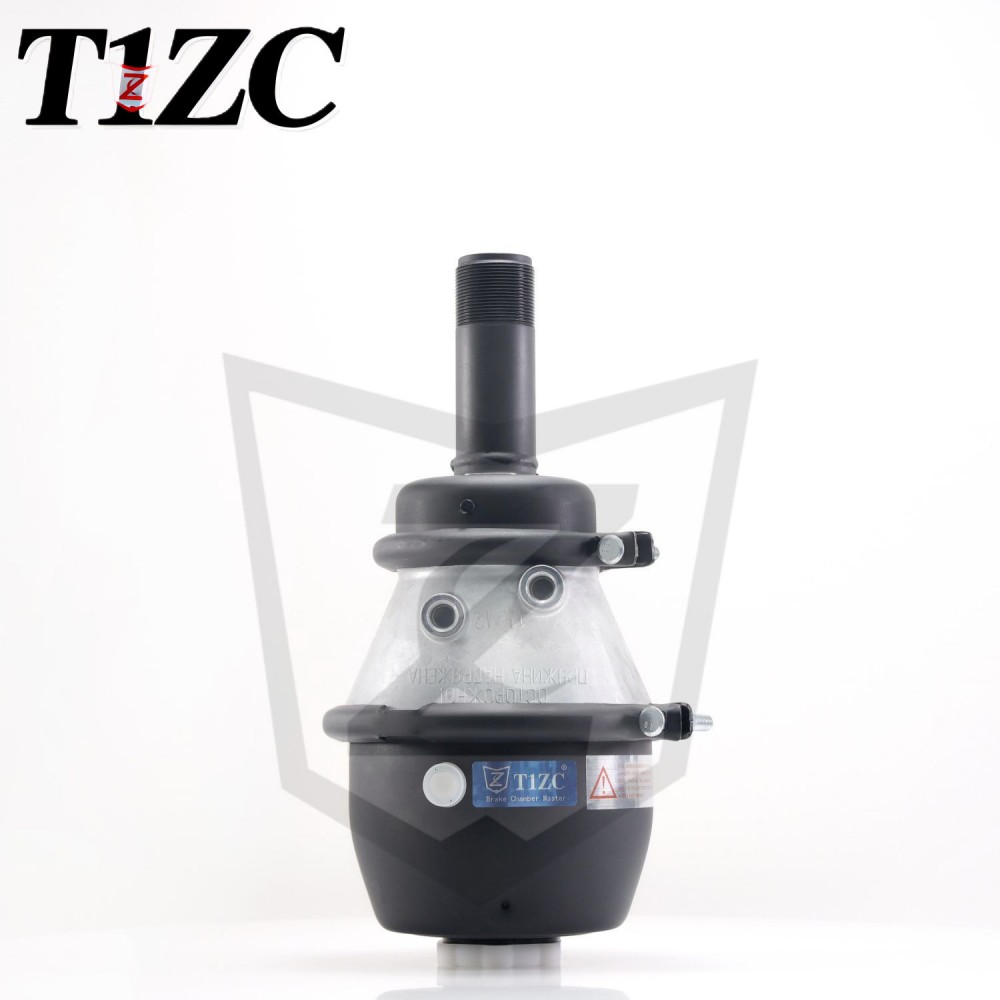
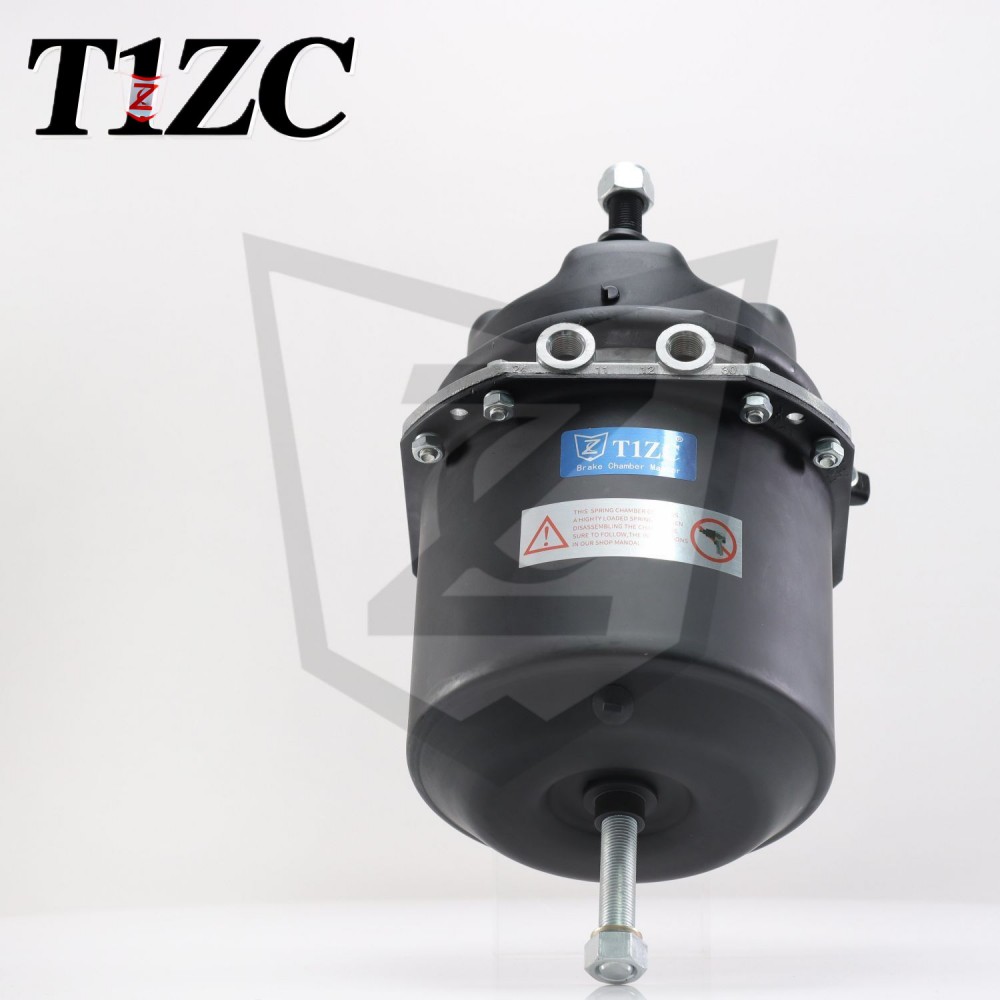
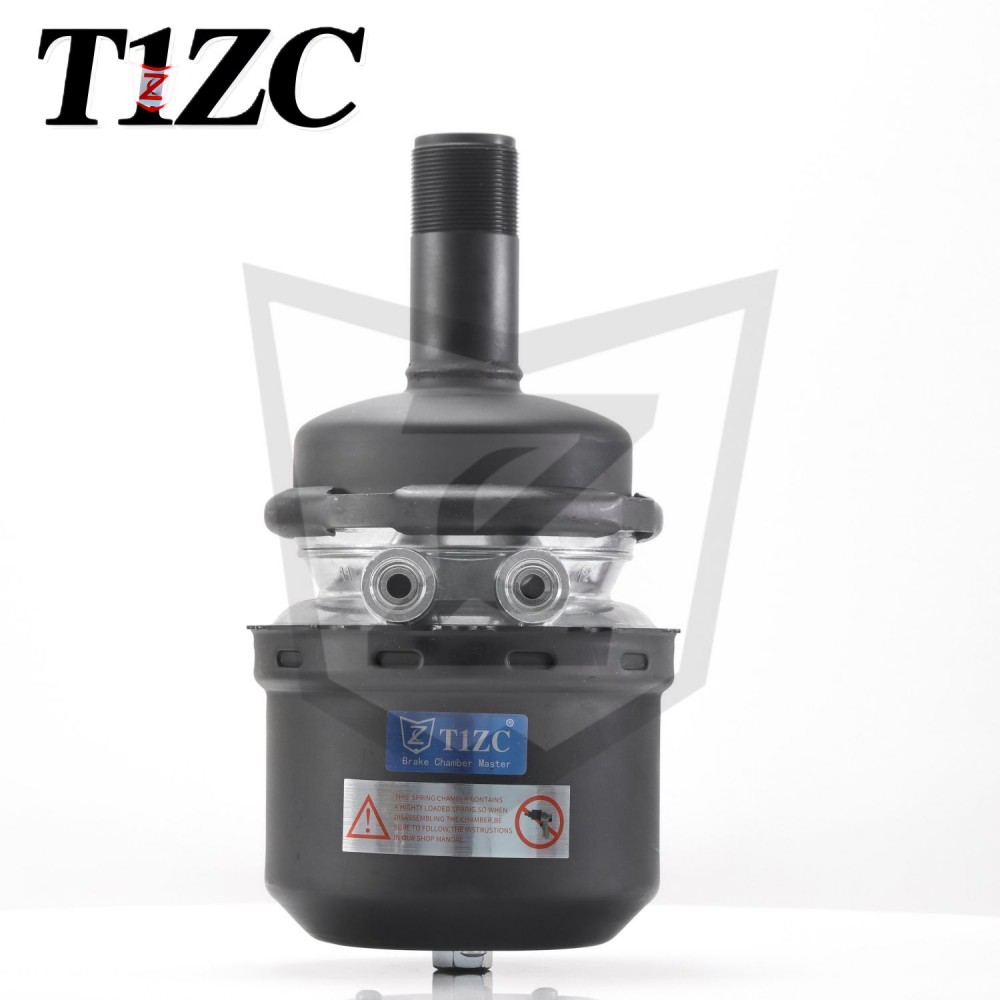
This brake chamber adopts a unique wedge-shaped design, combines advanced braking technology and high-quality materials, and is designed to provide stable, reliable and efficient braking performance t...
See Details -
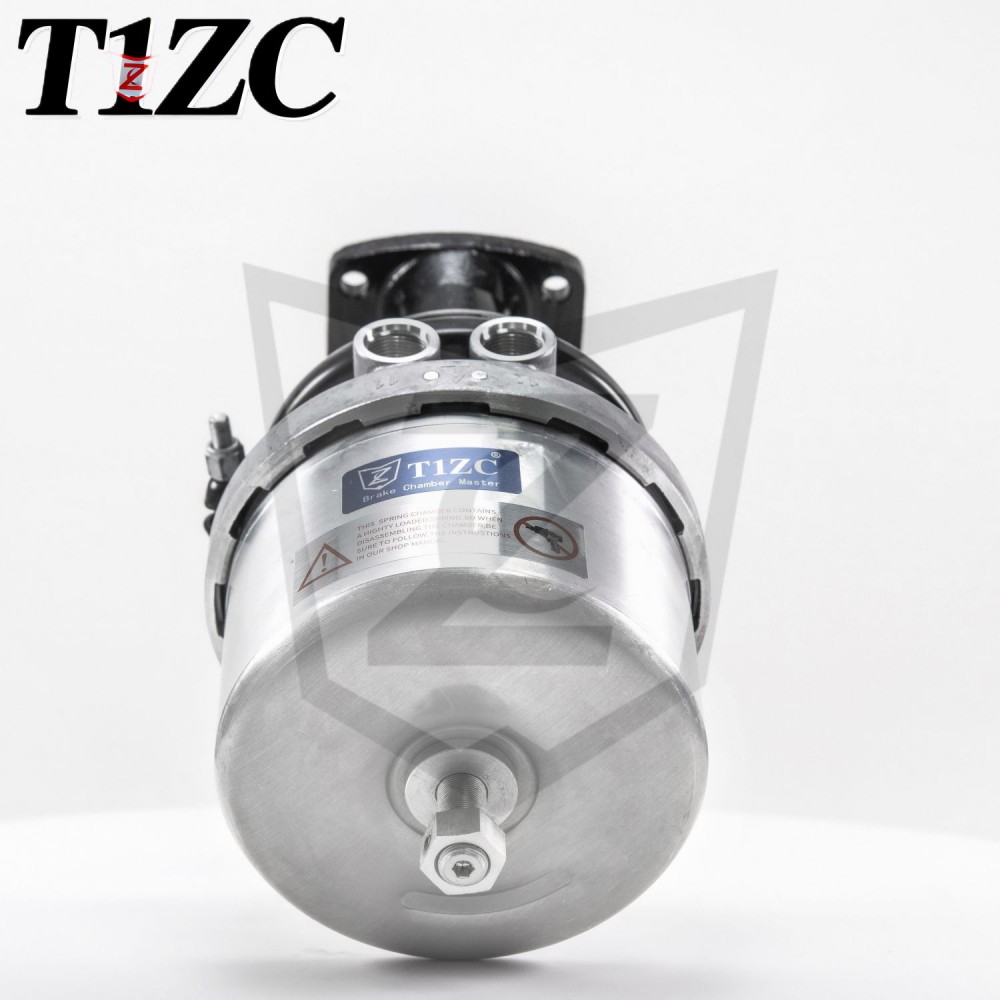
DP WEDGE BRAKE CHAMBER F-Series Regular Release This product is specially designed to meet the market's demand for efficient, stable and reliable braking systems. It uses advanced wedge braking techno...
See Details
CONTACT DETAILS
- Phone: +86-198 1775 0319
- TEL: +86-575 8909 8166
- E-mail: sale@t1zc.cn
- Office Address: 122-2 Busen West Road, Fengqiao Town, Zhuji, Zhejiang, China
If You Are Intrested
In Our Products,
Please Consult Us
Copyright © ZHUJI TEYI IMPORT&EXPORT CO.,LTD. All Rights Reserved.
China Brake Chamber Manufacturers
China Brake Chamber Supplier
