 EN
EN  English
 Português
Home / Blogs / Industry News / What Common Issues Affect Wedge Brake Chamber Performance and How Can They Be Prevented?


Application Industry
AGV

Automated robots
laser cutting

Logistics sorting

Photovoltaic power-station
Medical devices
What Common Issues Affect Wedge Brake Chamber Performance and How Can They Be Prevented?
The Wedge Brake Chamber is a critical component in heavy-duty vehicles' braking systems. Its unique wedge mechanism converts air pressure into mechanical force, ensuring the vehicle stops effectively. However, like any mechanical system, its performance can degrade over time due to common issues. Understanding these issues and implementing proper preventative measures is essential for maintaining safe and reliable braking performance.
Content
- Common Issues Affecting Wedge Brake Chamber Performance
- Comparing Wedge Brake Chambers with Spring Brake Chambers
- Preventative Maintenance Strategies
- Signs of Impending Failure
- Frequently Asked Questions (FAQs)
- Q1: How often should a Wedge Brake Chamber be inspected?
- Q2: Can a Wedge Brake Chamber be repaired, or must it be replaced?
- Q3: Are Wedge Brake Chambers compatible with all air brake systems?
- Q4: What environmental factors accelerate Wedge Brake Chamber wear?
- Q5: How does pushrod misalignment affect braking?
- Conclusion
Common Issues Affecting Wedge Brake Chamber Performance
1. Air Leakage
Air leakage is one of the most frequent problems impacting Wedge Brake Chamber performance. Leaks can occur in the chamber diaphragm, pushrod seal, or connections to the air lines. Even minor leaks reduce braking efficiency and can lead to delayed or inconsistent brake responses.
- Signs: Hissing sounds, decreased braking response, or longer stopping distances.
- Prevention: Regular inspection of air hoses and fittings, replacing worn diaphragms, and ensuring all connections are tight.
2. Corrosion and Rust
Corrosion can develop on the metal components of the Wedge Brake Chamber, particularly in regions with high humidity or where road salt is used. Rust weakens the housing and can cause mechanical binding, reducing the effectiveness of the braking system.
- Signs: Stiff pushrod movement, uneven braking, or visible rust on chamber components.
- Prevention: Apply anti-corrosion coatings, keep the chamber clean, and inspect frequently for signs of rust.
3. Diaphragm Wear and Tear
The diaphragm inside a Wedge Brake Chamber converts air pressure into mechanical motion. Over time, repeated flexing can cause cracks, tears, or stiffness, leading to decreased performance or total failure.
- Signs: Reduced braking force, air leakage, or uneven brake actuation.
- Prevention: Routine replacement of diaphragms according to manufacturer guidelines and inspection for early signs of fatigue.
4. Pushrod Misalignment
Pushrod misalignment affects the precise movement of the wedge mechanism, leading to uneven brake application. Misalignment can occur due to improper installation or mechanical wear over time.
- Signs: Uneven brake pad wear, vibration during braking, or abnormal noises.
- Prevention: Ensure proper installation and alignment during maintenance and periodically check for mechanical wear.
5. Contaminants and Dirt
Dirt, oil, or other contaminants entering the chamber can interfere with the operation of the wedge mechanism. Contaminants can cause sticking, delayed response, or uneven braking.
- Signs: Inconsistent brake performance, jerky movements, or visible grime inside the chamber.
- Prevention: Keep the chamber and surrounding area clean, and replace seals if contamination is detected.
Comparing Wedge Brake Chambers with Spring Brake Chambers
Understanding the differences between Wedge Brake Chambers and conventional spring brake chambers can help identify specific performance risks and maintenance needs:
- Force Application: Wedge chambers provide direct force through a wedge mechanism, whereas spring brake chambers rely on spring compression.
- Maintenance: Wedge chambers are more sensitive to pushrod alignment and diaphragm wear, while spring chambers require frequent spring tension checks.
- Durability: Both types are durable when properly maintained, but wedge chambers can fail more rapidly if air leakage or misalignment occurs.
Preventative Maintenance Strategies
Proper maintenance ensures the Wedge Brake Chamber operates reliably and extends its service life. Key strategies include:
- Regular inspection of air lines, diaphragms, and pushrods.
- Cleaning the chamber to remove dirt and contaminants.
- Applying anti-corrosion coatings to prevent rust and corrosion.
- Replacing worn components promptly, including diaphragms and seals.
- Ensuring proper installation and alignment of all mechanical parts.
Signs of Impending Failure
Recognizing early warning signs can prevent accidents and costly repairs:
- Hissing air sounds or visible air leaks.
- Uneven or delayed braking response.
- Vibration, sticking, or unusual noises during braking.
- Visible rust or wear on chamber components.
Frequently Asked Questions (FAQs)
Q1: How often should a Wedge Brake Chamber be inspected?
Inspection frequency depends on vehicle usage and environmental conditions, but a typical schedule is every 6 months or every 20,000–25,000 miles for heavy-duty vehicles.
Q2: Can a Wedge Brake Chamber be repaired, or must it be replaced?
Minor issues like seal replacement or pushrod adjustment can be repaired. However, major diaphragm damage, severe rust, or structural failure typically requires full replacement to ensure safety.
Q3: Are Wedge Brake Chambers compatible with all air brake systems?
Wedge brake chambers are designed for specific heavy-duty brake systems. Compatibility should be confirmed with the vehicle manufacturer or brake system supplier before installation.
Q4: What environmental factors accelerate Wedge Brake Chamber wear?
High humidity, road salt, dirt, and extreme temperature fluctuations can accelerate diaphragm wear, corrosion, and mechanical binding. Regular cleaning and protective coatings can mitigate these effects.
Q5: How does pushrod misalignment affect braking?
Misalignment causes uneven force distribution on the brake pads, resulting in uneven wear, reduced braking efficiency, and potential vibration during braking.
Conclusion
Maintaining optimal Wedge Brake Chamber performance requires attention to air integrity, component condition, alignment, and cleanliness. Early detection of common issues such as air leaks, diaphragm wear, corrosion, and pushrod misalignment can prevent costly failures and ensure safe braking performance. Regular maintenance, proper installation, and understanding environmental impacts are key to maximizing the lifespan and efficiency of wedge brake systems.
Related products
-
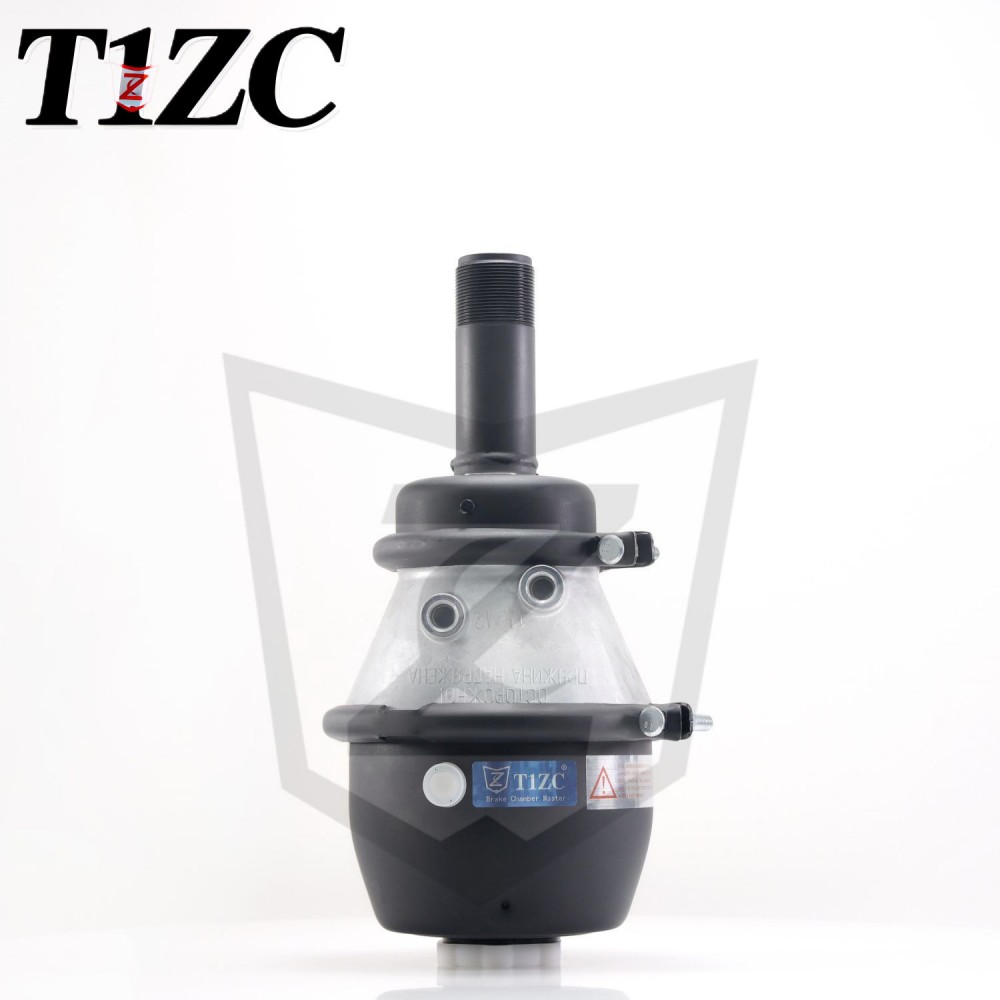
This brake chamber adopts a unique wedge-shaped design, combines advanced braking technology and high-quality materials, and is designed to provide stable, reliable and efficient braking performance t...
See Details -
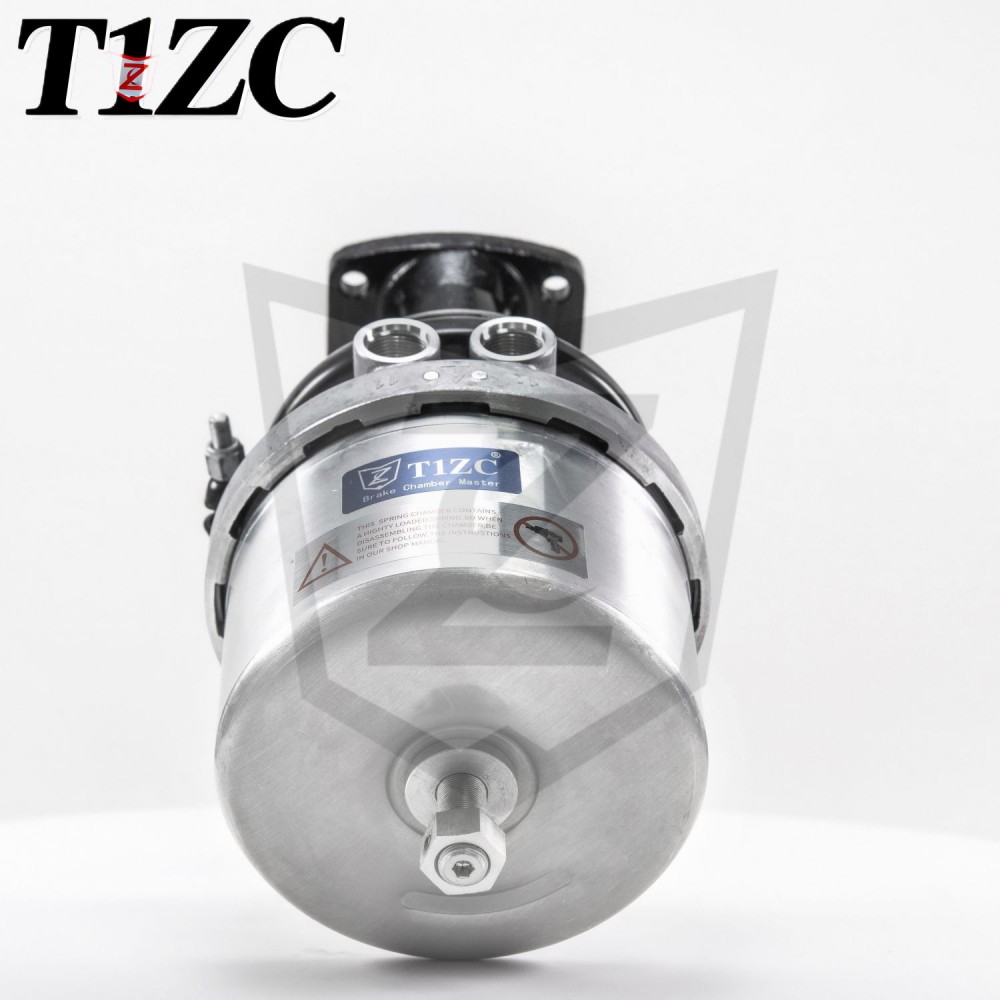
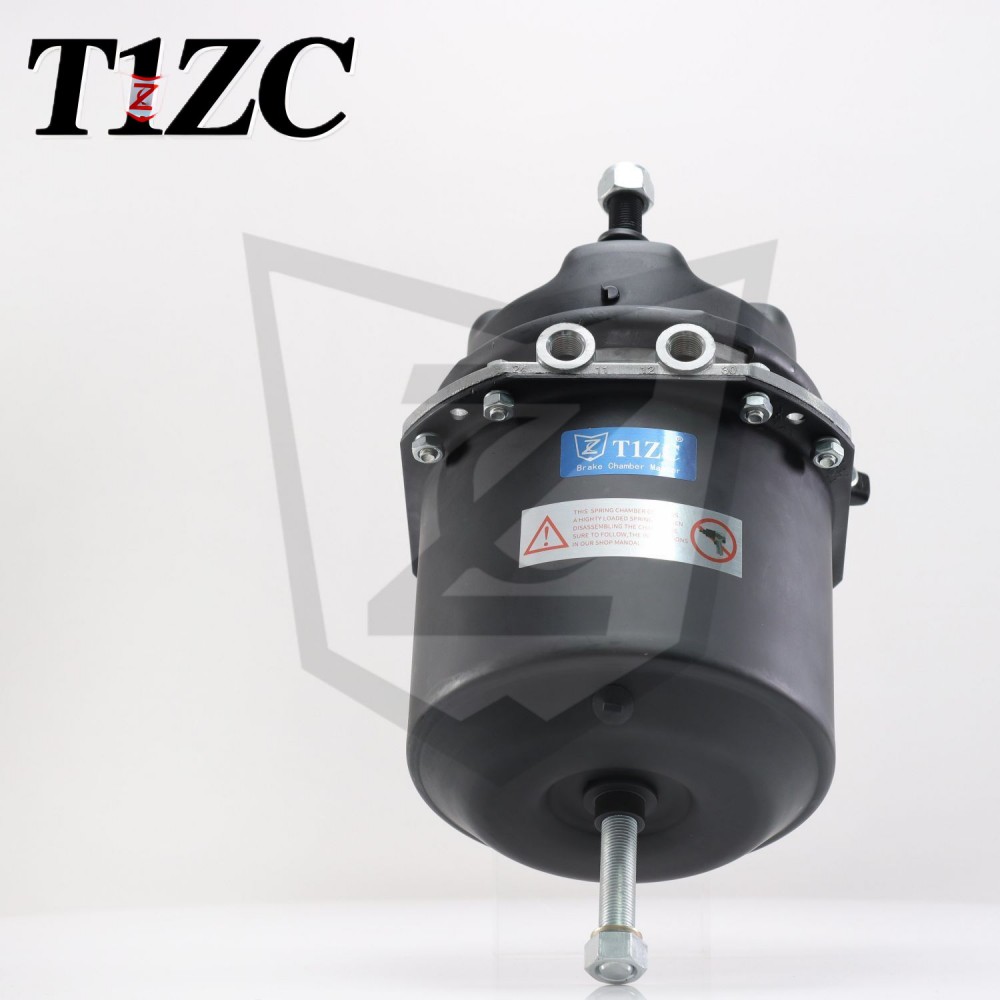
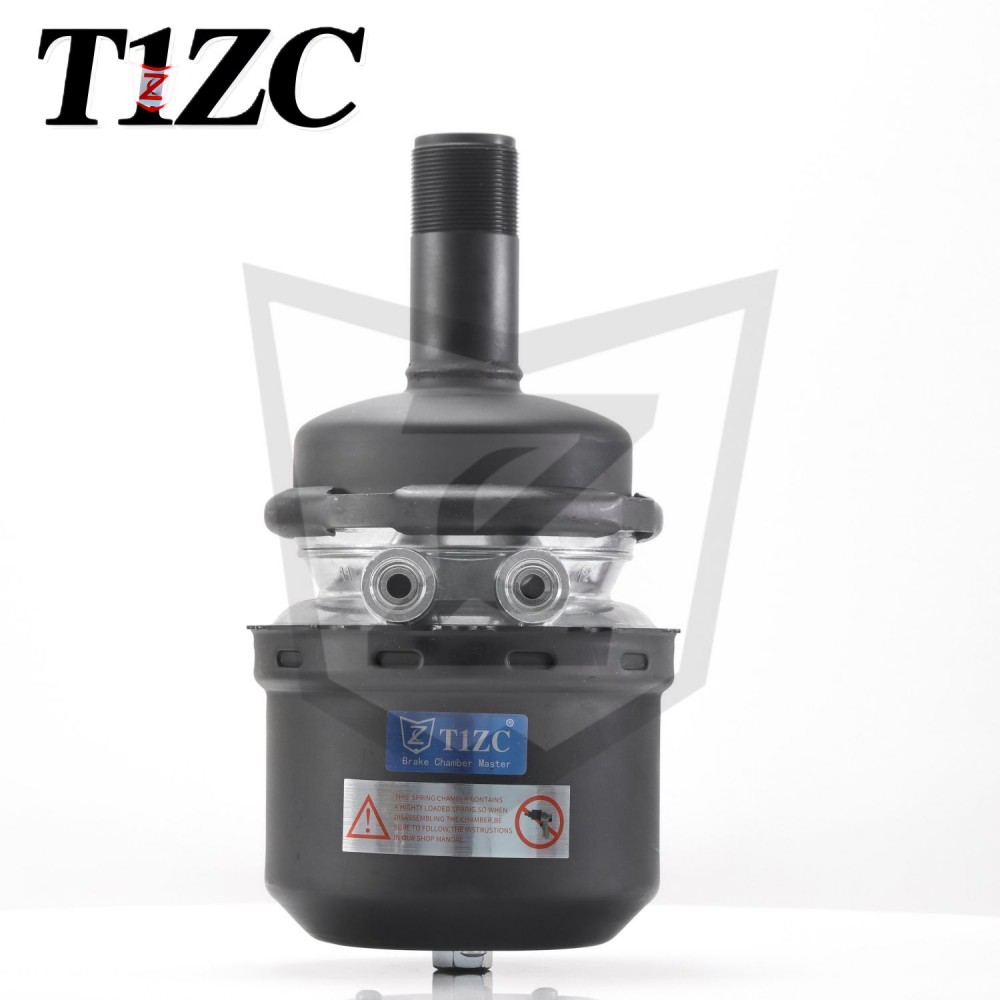
DP WEDGE BRAKE CHAMBER F-Series Regular Release This product is specially designed to meet the market's demand for efficient, stable and reliable braking systems. It uses advanced wedge braking techno...
See Details
CONTACT DETAILS
- Phone: +86-198 1775 0319
- TEL: +86-575 8909 8166
- E-mail: sale@t1zc.cn
- Office Address: 122-2 Busen West Road, Fengqiao Town, Zhuji, Zhejiang, China
If You Are Intrested
In Our Products,
Please Consult Us
Copyright © ZHUJI TEYI IMPORT&EXPORT CO.,LTD. All Rights Reserved.
China Brake Chamber Manufacturers
China Brake Chamber Supplier
