

 EN
EN  English
 Português
Application Industry
AGV

Automated robots
laser cutting

Logistics sorting

Photovoltaic power-station
Medical devices
Why Is a Disc Brake Chamber Important for Vehicle Safety?
In modern vehicle braking systems, safety, responsiveness, and reliability are non-negotiable. Among the many components working together to ensure effective braking, the Disc Brake Chamber plays a critical role, especially in commercial vehicles, trucks, buses, and heavy-duty applications. Often overlooked by non-professionals, this component directly affects braking force, stopping distance, and overall driving safety.
As vehicles become heavier, faster, and more technologically advanced, understanding why the Disc Brake Chamber is essential for vehicle safety helps fleet operators, maintenance professionals, and manufacturers make better decisions regarding design, inspection, and replacement.
Content
- Understanding the Disc Brake Chamber
- How a Disc Brake Chamber Enhances Vehicle Safety
- Disc Brake Chamber vs. Drum Brake Chamber
- Role of Disc Brake Chambers in Heavy-Duty Vehicles
- Maintenance and Safety Implications
- Technological Advancements in Disc Brake Chambers
- Common Safety Risks of a Faulty Disc Brake Chamber
- Frequently Asked Questions (FAQ)
- Conclusion: A Critical Component for Road Safety
Understanding the Disc Brake Chamber
What Is a Disc Brake Chamber?
A Disc Brake Chamber is a mechanical device used in air brake systems to convert compressed air energy into mechanical force. This force is then applied to the brake caliper, pressing brake pads against the disc (rotor) to slow down or stop the vehicle.
Unlike hydraulic systems commonly found in passenger cars, disc brake chambers are widely used in air-brake-equipped vehicles due to their ability to deliver consistent braking power under heavy loads and extreme conditions.
Core Components of a Disc Brake Chamber
- Housing: Protects internal components from dust, moisture, and debris.
- Diaphragm: Flexes under air pressure to generate movement.
- Push Rod: Transfers force from the diaphragm to the brake mechanism.
- Return Spring: Ensures the brake releases when air pressure drops.
Each of these elements must work seamlessly for the Disc Brake Chamber to perform reliably in real-world driving conditions.
How a Disc Brake Chamber Enhances Vehicle Safety
Consistent and Predictable Braking Force
One of the most important safety benefits of a Disc Brake Chamber is its ability to provide consistent braking force. Because it relies on compressed air rather than fluid pressure, braking performance remains stable even during repeated stops or long downhill braking.
This consistency reduces the risk of brake fade, a condition that can significantly compromise vehicle control and increase stopping distance.
Improved Stopping Distance
A properly functioning Disc Brake Chamber allows for faster and more controlled brake application. This leads to:
- Shorter stopping distances
- Better vehicle stability during emergency braking
- Reduced risk of rear-end collisions
In high-traffic or unpredictable road environments, even a small reduction in stopping distance can prevent serious accidents.
Enhanced Heat Dissipation
Disc brake systems naturally dissipate heat more efficiently than drum brake systems. When paired with a well-designed Disc Brake Chamber, the braking system maintains optimal performance even under high thermal stress.
Efficient heat management directly improves safety by minimizing component deformation and maintaining braking responsiveness.
Disc Brake Chamber vs. Drum Brake Chamber
To fully appreciate the safety advantages of a Disc Brake Chamber, it is helpful to compare it with traditional drum brake chambers.
| Aspect | Disc Brake Chamber | Drum Brake Chamber |
|---|---|---|
| Braking Response | Faster and more precise | Slower due to mechanical lag |
| Heat Dissipation | Excellent | Limited |
| Maintenance | Easier inspection and servicing | More complex disassembly |
| Performance in Wet Conditions | Highly reliable | Reduced efficiency |
| Safety Margin | Higher | Moderate |
This comparison highlights why many modern commercial vehicles are transitioning toward disc brake systems supported by advanced Disc Brake Chambers.
Role of Disc Brake Chambers in Heavy-Duty Vehicles
Commercial Trucks and Buses
Heavy-duty vehicles operate under demanding conditions, including long hours, heavy loads, and varying terrains. In such scenarios, the Disc Brake Chamber ensures:
- Stable braking performance under maximum load
- Reduced wear on brake pads and rotors
- Lower risk of brake system failure
For fleet operators, these benefits translate directly into improved road safety and lower operating costs.
Construction and Industrial Vehicles
Vehicles used in construction and industrial settings often encounter dust, mud, and extreme temperatures. A sealed and robust Disc Brake Chamber maintains reliable braking even in harsh environments, protecting both operators and surrounding workers.
Maintenance and Safety Implications
Early Detection of Brake Issues
Another safety advantage of the Disc Brake Chamber is ease of inspection. Visual checks can quickly reveal:
- Air leaks
- Damaged diaphragms
- Abnormal push rod travel
Early detection helps prevent sudden brake failure, which is one of the most dangerous scenarios on the road.
Reduced Maintenance-Related Downtime
Because disc brake chambers are easier to service than drum systems, maintenance intervals are shorter and more predictable. This reliability improves safety by ensuring vehicles spend more time in optimal operating condition.
Technological Advancements in Disc Brake Chambers
Lightweight and High-Strength Materials
Modern Disc Brake Chambers are increasingly manufactured using lightweight alloys and reinforced materials. These advancements offer:
- Improved durability
- Reduced vehicle weight
- Enhanced fuel efficiency without compromising safety
Integration with Advanced Brake Systems
Today’s disc brake chambers are designed to work seamlessly with:
- ABS (Anti-lock Braking Systems)
- EBS (Electronic Braking Systems)
- Advanced driver assistance systems
This integration further strengthens vehicle safety by ensuring precise brake control in emergency situations.
Common Safety Risks of a Faulty Disc Brake Chamber
A malfunctioning Disc Brake Chamber can severely compromise vehicle safety. Common risks include:
- Delayed braking response
- Uneven brake force distribution
- Unexpected brake lock-up or failure
Regular inspection and timely replacement are critical to preventing these safety hazards.
Frequently Asked Questions (FAQ)
How often should a Disc Brake Chamber be inspected?
A Disc Brake Chamber should be visually inspected during every routine brake service and thoroughly checked at least once a year or according to manufacturer recommendations.
Can a Disc Brake Chamber affect stopping distance?
Yes. A worn or damaged Disc Brake Chamber can reduce braking force, leading to longer stopping distances and increased accident risk.
Are Disc Brake Chambers suitable for all vehicle types?
They are primarily used in commercial and heavy-duty vehicles, but their advantages are driving wider adoption in various specialized applications.
What are signs of Disc Brake Chamber failure?
- Air leaks around the chamber
- Uneven braking
- Excessive push rod movement
Is upgrading to a Disc Brake Chamber system worth it?
For vehicles designed to support disc brakes, upgrading can significantly improve safety, braking performance, and long-term reliability.
Conclusion: A Critical Component for Road Safety
The Disc Brake Chamber is far more than a simple mechanical component. It is a vital safety device that ensures reliable braking, consistent performance, and enhanced control under demanding conditions. From reducing stopping distances to supporting advanced braking technologies, its role in modern vehicle safety cannot be overstated.
As safety regulations become stricter and vehicle performance expectations rise, the importance of a high-quality Disc Brake Chamber will continue to grow, making it a key focus for manufacturers, fleet operators, and maintenance professionals alike.
Related products
-
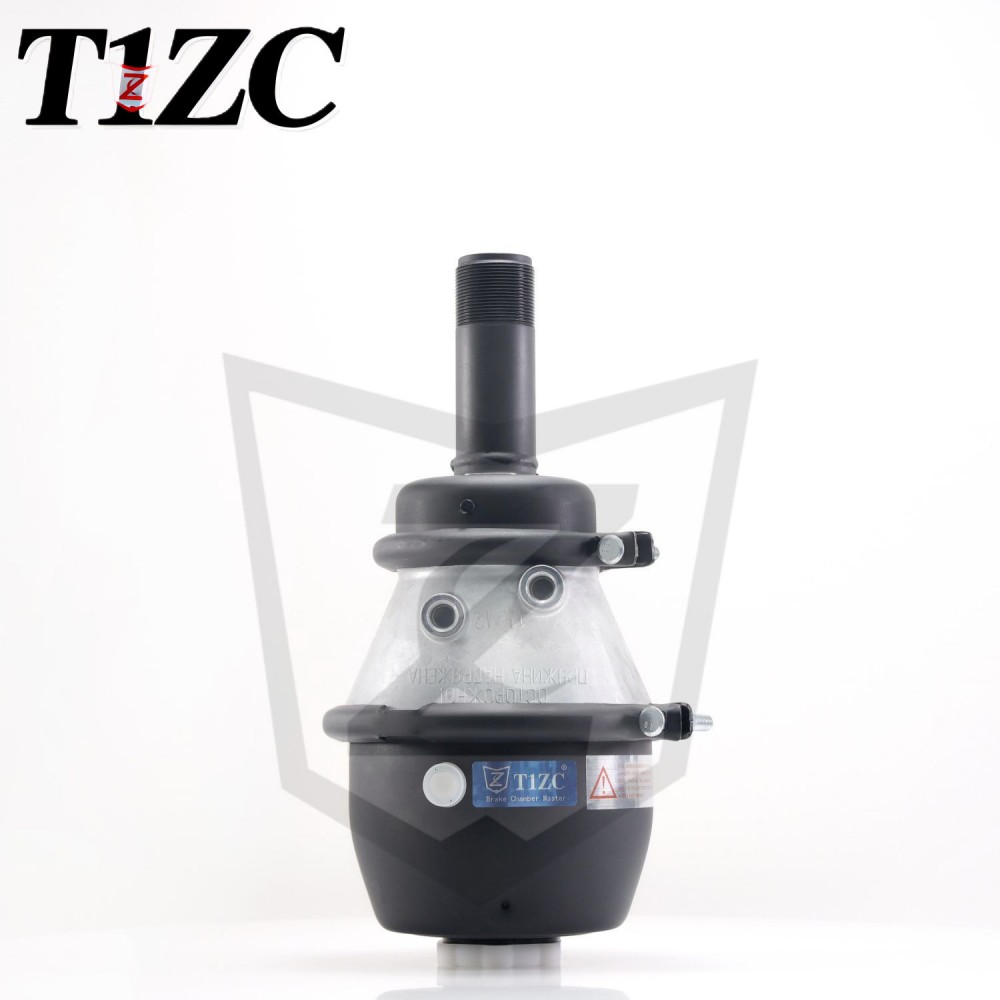
This brake chamber adopts a unique wedge-shaped design, combines advanced braking technology and high-quality materials, and is designed to provide stable, reliable and efficient braking performance t...
See Details -
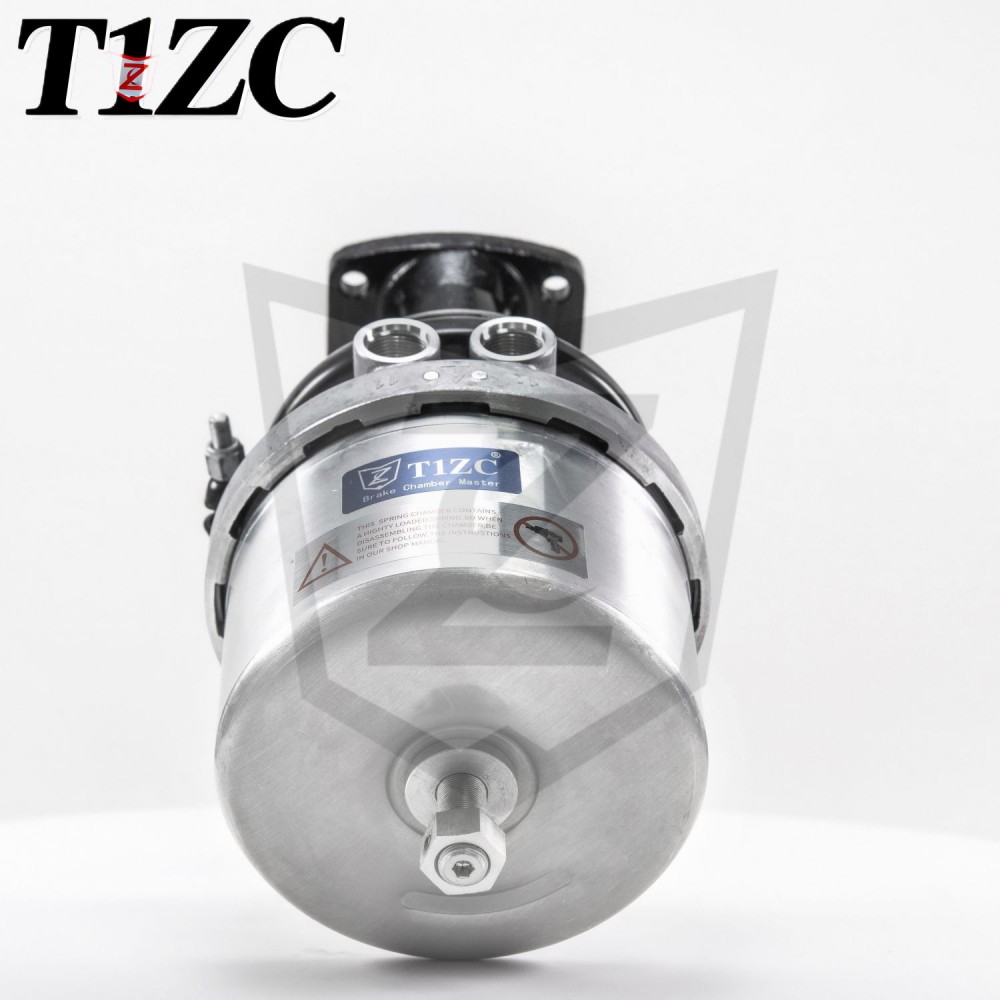
DP WEDGE BRAKE CHAMBER F-Series Regular Release This product is specially designed to meet the market's demand for efficient, stable and reliable braking systems. It uses advanced wedge braking techno...
See Details
CONTACT DETAILS
- Phone: +86-198 1775 0319
- TEL: +86-575 8909 8166
- E-mail: sale@t1zc.cn
- Office Address: 122-2 Busen West Road, Fengqiao Town, Zhuji, Zhejiang, China
If You Are Intrested
In Our Products,
Please Consult Us
Copyright © ZHUJI TEYI IMPORT&EXPORT CO.,LTD. All Rights Reserved.
China Brake Chamber Manufacturers
China Brake Chamber Supplier
