

 EN
EN  English
 Português
Application Industry
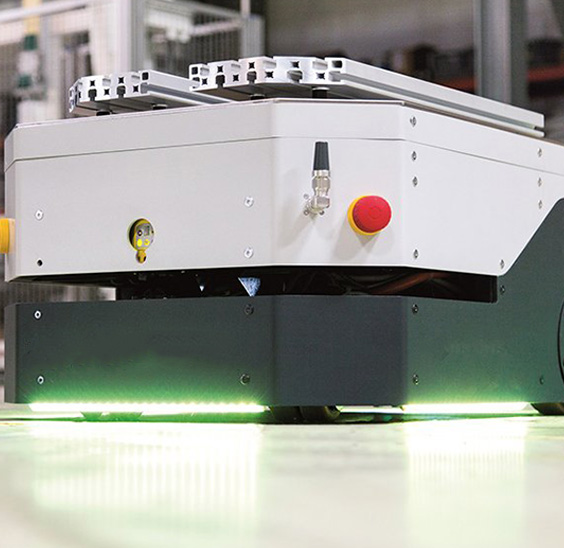
AGV

Automated robots
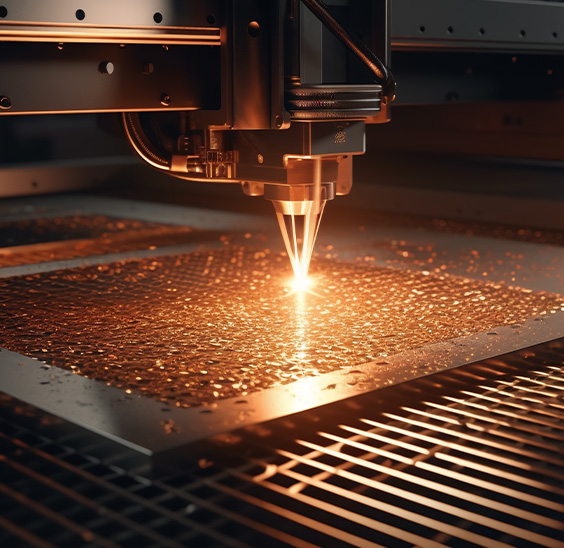
laser cutting

Logistics sorting

Photovoltaic power-station
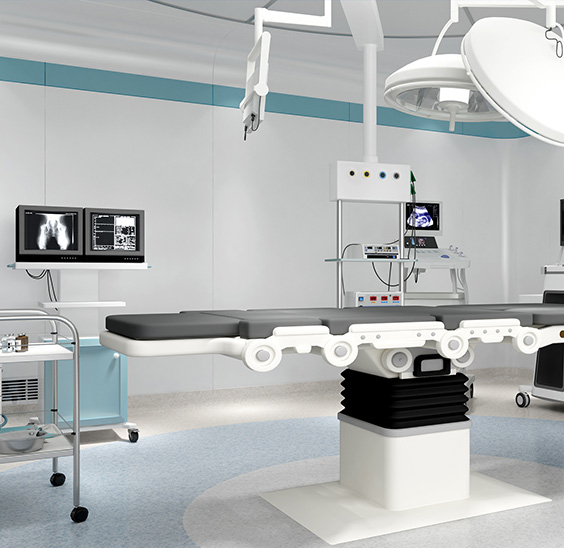
Medical devices
What Are the Common Types of Disc Brake Chambers Used in Vehicles?
Disc brake chambers are integral components in vehicle braking systems, playing a crucial role in ensuring safety and performance. These chambers, also known as air brake chambers or pneumatic brake chambers, are designed to use compressed air to activate the brake mechanism, providing the necessary force to stop or slow down the vehicle.
Content
1. Spring Brake Chambers
Spring brake chambers are one of the most common types of brake chambers used in heavy-duty vehicles, including trucks, buses, and trailers. These chambers feature a powerful spring mechanism that is used to apply the brakes in case of a system failure. Typically, these chambers are found in vehicles that use air brakes for enhanced safety and reliability.
- Functionality: Spring brake chambers use compressed air to release the spring tension, allowing the brakes to apply when the air pressure is present. If the air pressure is lost, the spring mechanism automatically engages the brakes.
- Application: Commonly found in heavy-duty vehicles, such as trucks and buses, where a fail-safe braking system is necessary.
- Advantages: Spring brake chambers provide a backup safety feature, ensuring that the vehicle can stop even if there is a failure in the primary air brake system.
2. Service Brake Chambers
Service brake chambers are designed to apply the brakes during regular vehicle operation. These chambers are activated by compressed air, which moves a diaphragm within the chamber to push the pushrod, engaging the brake pads against the disc. Service brake chambers are typically used in conjunction with other types of brake chambers for overall system efficiency.
- Functionality: Compressed air is used to push a diaphragm inside the chamber, which moves a rod to apply pressure to the brake components, slowing or stopping the vehicle.
- Application: Found in most air-braked vehicles, including light-duty trucks, trailers, and buses, providing the primary means of braking.
- Advantages: These chambers offer efficient braking performance under normal operating conditions and are designed for quick activation and reliable stopping power.
3. Dual Brake Chambers
Dual brake chambers combine both service and spring brake chambers into a single unit. This design allows for improved reliability and ensures that both braking functions are housed in one chamber. Dual chambers are often used in modern heavy-duty vehicles to save space while still providing the same level of performance as two separate chambers.
- Functionality: Dual brake chambers use compressed air to engage both the service and spring brakes. When the air pressure is available, the service brakes are applied, and if the air pressure is lost, the spring brake engages as a backup.
- Application: Commonly used in large vehicles, including semi-trucks and buses, where a compact design and redundancy are important.
- Advantages: Dual chambers provide a space-saving solution while maintaining high-performance braking capabilities, offering both primary and secondary braking functions in one unit.
4. Square Brake Chambers
Square brake chambers are a variation of traditional round brake chambers, offering the same functionality but with a different shape. These chambers are designed for vehicles with specific space constraints, where a square-shaped chamber may fit more efficiently in the available space. While they perform the same function as round chambers, their design allows for greater versatility in mounting and installation.
- Functionality: Square brake chambers work similarly to round chambers, with compressed air applying force to a diaphragm, which engages the brake system to stop the vehicle.
- Application: Typically used in vehicles with limited space for round brake chambers or in custom vehicle designs.
- Advantages: Square brake chambers offer more installation flexibility in specific vehicle designs while maintaining the same performance as traditional round chambers.
5. Long Stroke Brake Chambers
Long stroke brake chambers are used in vehicles that require more brake application force or vehicles with larger braking needs. These chambers have a longer stroke length, meaning they can apply more force to the braking system with a greater range of movement. They are particularly useful in large trucks and trailers where enhanced braking performance is needed for larger loads.
- Functionality: Long stroke brake chambers have a greater diaphragm stroke, which results in more force being applied to the brake mechanism, providing enhanced braking power.
- Application: Typically used in heavy-duty vehicles such as commercial trucks, trailers, and buses that carry heavy loads.
- Advantages: The long stroke design allows for improved braking power, making these chambers ideal for larger vehicles or vehicles that frequently haul heavy loads.
6. Smaller Diameter Brake Chambers
Smaller diameter brake chambers are commonly used in light-duty vehicles or smaller vehicles that do not require the same level of braking force as heavy-duty trucks. These chambers are more compact, making them ideal for vehicles with limited space in their braking systems. Despite their smaller size, these chambers are designed to deliver reliable braking performance.
- Functionality: Smaller diameter brake chambers operate similarly to standard brake chambers but with less air required to engage the braking system, making them suitable for lighter vehicles.
- Application: Used in smaller vehicles, such as delivery trucks, light-duty commercial vehicles, and some passenger vehicles with air brakes.
- Advantages: These chambers offer a compact design while still providing reliable and effective braking performance for smaller vehicles.
FAQs About Disc Brake Chambers
What is the role of a brake chamber in a vehicle's braking system?
A brake chamber converts the compressed air from the vehicle's air brake system into mechanical force, which is then used to apply the brakes and stop the vehicle. It is an essential part of pneumatic braking systems, ensuring smooth and reliable stopping power.
How often should disc brake chambers be maintained or replaced?
Disc brake chambers should be regularly inspected for signs of wear, damage, or leaks. They should be replaced every 5 to 7 years or as recommended by the manufacturer, especially if there are performance issues such as reduced braking power or air leaks.
Can I use different types of brake chambers in the same braking system?
It is generally not recommended to mix different types of brake chambers in the same system, as each type is designed to perform specific functions. It is important to use the correct type of brake chamber specified by the vehicle manufacturer to ensure compatibility and optimal performance.
How can I tell if a brake chamber is malfunctioning?
Signs of a malfunctioning brake chamber may include air leaks, poor braking performance, or uneven wear on the brake pads. If you notice any of these issues, it's crucial to inspect the brake chamber and replace it if necessary to maintain proper braking functionality.
Understanding the various types of disc brake chambers is essential for ensuring the proper function and safety of vehicles, especially those equipped with air brake systems. Each type of brake chamber offers unique benefits depending on the vehicle's size, braking requirements, and specific applications. From service brake chambers to long stroke and dual chambers, selecting the right type ensures optimal braking efficiency and safety on the road. Regular inspection and maintenance of brake chambers are key to maintaining a vehicle's braking system in top condition, providing a safe and smooth driving experience.
Related products
-
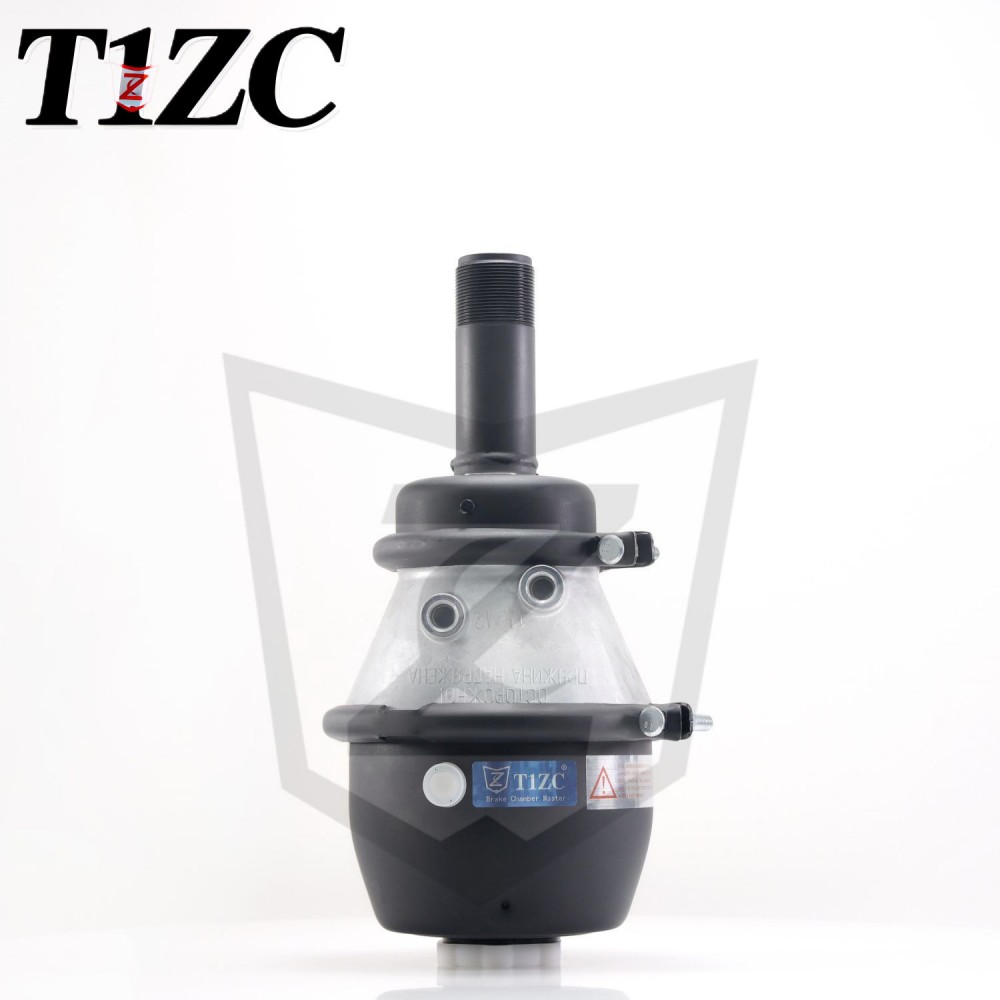
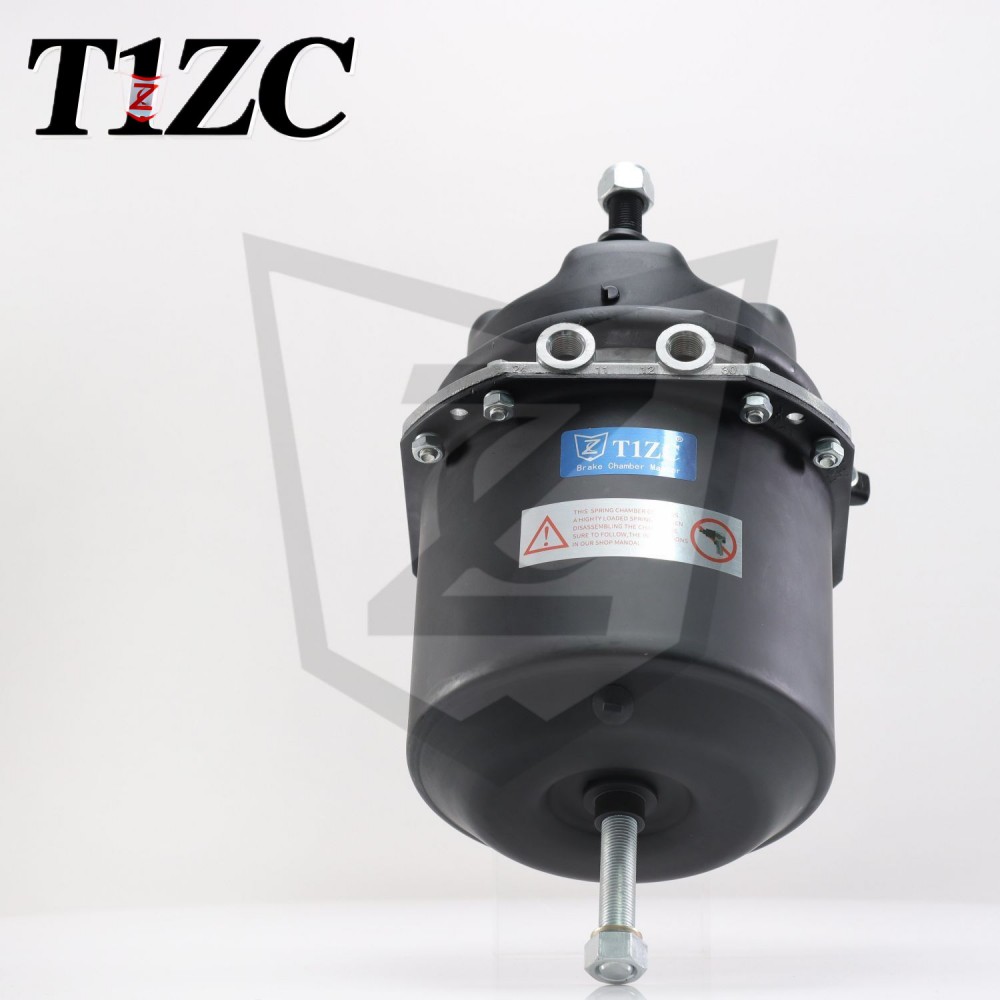
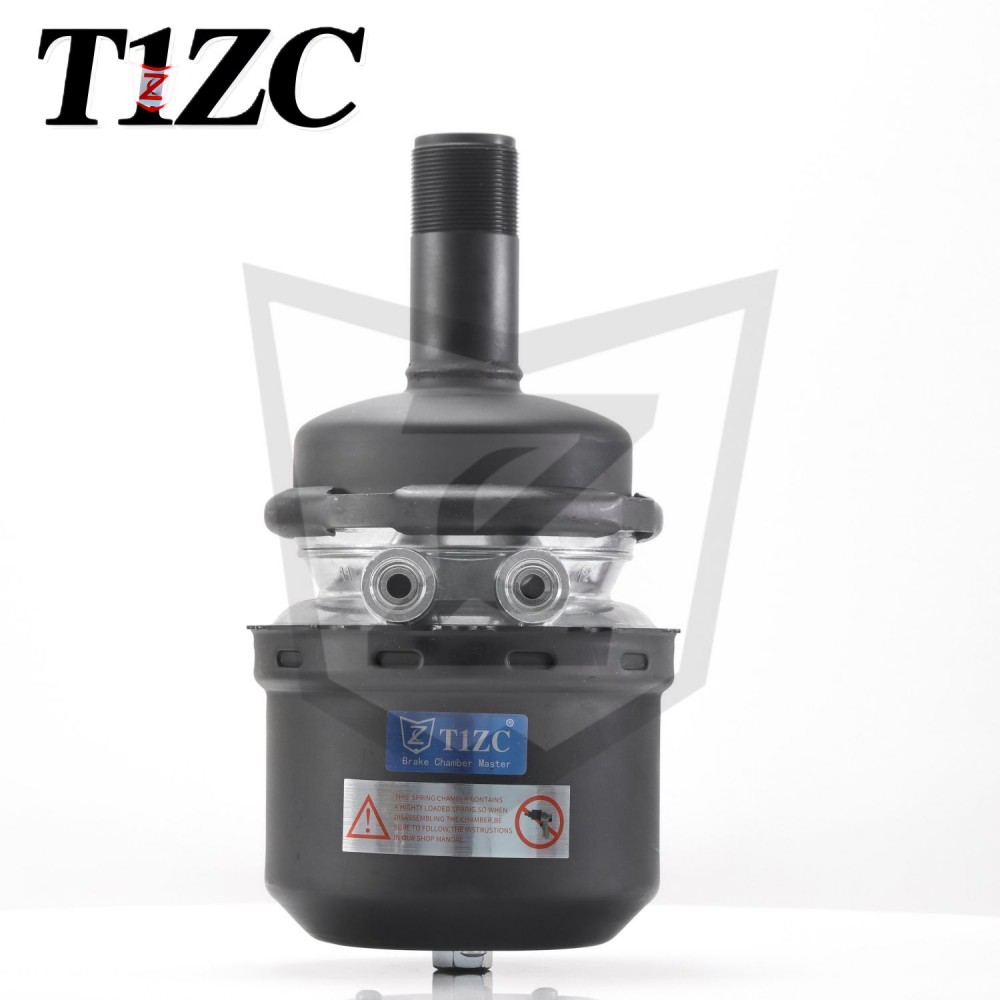
This brake chamber adopts a unique wedge-shaped design, combines advanced braking technology and high-quality materials, and is designed to provide stable, reliable and efficient braking performance t...
See Details -
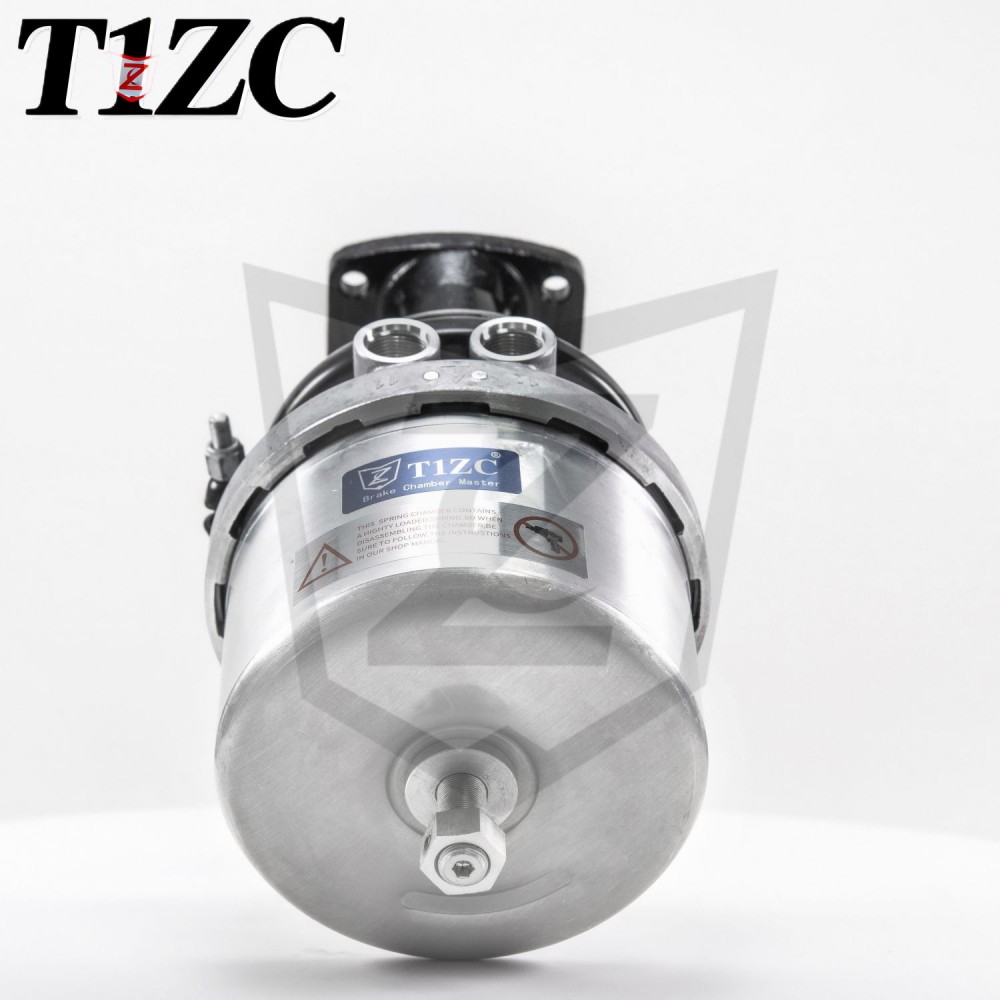
DP WEDGE BRAKE CHAMBER F-Series Regular Release This product is specially designed to meet the market's demand for efficient, stable and reliable braking systems. It uses advanced wedge braking techno...
See Details
CONTACT DETAILS
- Phone: +86-198 1775 0319
- TEL: +86-575 8909 8166
- E-mail: sale@t1zc.cn
- Office Address: 122-2 Busen West Road, Fengqiao Town, Zhuji, Zhejiang, China
If You Are Intrested
In Our Products,
Please Consult Us
Copyright © ZHUJI TEYI IMPORT&EXPORT CO.,LTD. All Rights Reserved.
China Brake Chamber Manufacturers
China Brake Chamber Supplier
