 EN
 English
 Português

Home / Blogs / Industry News / Brake Chamber Cross Reference Guide: Match Type 30, T24 and T16 Chambers


Application Industry
AGV

Automated robots

laser cutting

Logistics sorting

Photovoltaic power-station

Medical devices
Brake Chamber Cross Reference Guide: Match Type 30, T24 and T16 Chambers
A brake chamber cross reference is a match built on six measurable details — effective area, stroke type, port size and angle, mounting pattern, release hardware and pushrod end — not on the part number stamped on the old chamber. When those six points line up, the replacement bolts on, strokes inside the vehicle's readjustment limit and releases cleanly. When one of them is off, you are holding a different part that happens to look similar.
Most cross reference failures surface in the workshop rather than on the road, but the cost is still real: a chamber that strokes too far eats the adjustment range of an automatic slack adjuster, a metric port forced onto an NPT fitting weeps air, and the wrong clamp band diameter means the chamber never sits square on its bracket. Collecting the right numbers before you order removes almost all of that risk.
Content
- What a Brake Chamber Cross Reference Must Match
- How to Read Type Numbers: T16, T24 and T30
- Single, DD and DP: Why Release Design Changes the Cross Reference
- Cross Referencing by Vehicle Family and Market
- A Cross Reference Procedure You Can Repeat in the Workshop
- Cross Reference Mistakes That Come Back as Warranty Claims
- Brake Chamber Cross Reference FAQ
What a Brake Chamber Cross Reference Must Match
A correct cross reference answers six questions, and every one of them can be checked on the vehicle in a few minutes with a tape, a thread gauge and the OEM specification.
| Reference point | What to check | What a mismatch causes |
|---|---|---|
| Effective area (type code 9 to 30) | Clamp band markings, cast-in numbers, or the diaphragm diameter on an unmarked chamber | Changes the force delivered to the pushrod and pushes the unit outside the vehicle's stroke limit |
| Stroke type (standard or long) | Pushrod travel at full application against the OEM figure — commonly around 64 mm (2.5 in) for a standard Type 30 and 76 mm (3 in) for a long-stroke Type 30 | A long-stroke chamber on a standard bracket runs out of adjustment; a short-stroke chamber over-strokes the slack adjuster |
| Port size and angle | Thread type (NPT, BSP or metric) and the direction of the service and parking ports relative to the bracket | Adapters add leak paths, and a port aimed the wrong way fouls the hose or the chassis rail |
| Mounting pattern | Bolt spacing, bolt thread and clamp band diameter for clamp-type chambers | The chamber sits off-square, the pushrod runs at an angle and the rod seal wears early |
| Release hardware | Whether the spring section is caged with a tool or released quickly, and whether that fitting stays accessible once installed | Manual release becomes impossible in the position the chamber actually sits in |
| Pushrod length and end fitting | Overall rod length, clevis thread and clevis pin diameter | No adjustment left to set the stroke, or the clevis will not pin to the slack adjuster |
On paper, two chambers can share the same effective area and still not be interchangeable. Mounting flange thickness, pushrod thread pitch and port angle vary between production batches and between markets, so the safest habit is to measure the old chamber while it is still bolted to the vehicle rather than after it is on the bench.
How to Read Type Numbers: T16, T24 and T30
The number in a code such as T16, T24 or T30 is the effective diaphragm area in square inches — it is not a model year or a sequence number. That single figure tells you roughly how much force the chamber can push through the pushrod, and it is the first thing a supplier will ask for.
| Code | Effective area | Where it typically appears | Cross reference note |
|---|---|---|---|
| Type 9 / 12 | 9–12 in² | Light steer axles and smaller trailer service positions | Smallest clamp bands; moving up a size rarely works without a stroke check |
| Type 16 (T16) | 16 in² | Medium-duty service positions and some trailer axles | A common "will it fit" question; the answer is yes only when stroke and bracket also match |
| Type 20 / 24 (T24) | 20–24 in² | The workhorse drive-axle service chamber on medium and heavy trucks | T20 and T24 share many mounting dimensions, but the stroke limit comes from the vehicle specification, not from the chamber |
| Type 30 (T30) | 30 in² | Heavy drive axles and most spring (parking) sections of combination chambers | Frequently long-stroke; confirm 64 mm against 76 mm before ordering |
| Combination 24/30 | 24 in² service plus 30 in² spring | Tractor drive axles and tipping trailers | Both halves must match — a 30/30 does not behave like a 24/30 |
The suffix matters as much as the number. A Type 30 long-stroke chamber and a Type 30 standard-stroke chamber can share the same housing casting, the same ports and the same bracket, yet they cannot be swapped. The long-stroke version exists because automatic slack adjusters need more reserve travel, and fitting the shorter unit simply moves the problem to the adjustment mechanism. A T24 rear chamber built for a specific release behaviour is the same story: the number identifies the size, not the whole part.
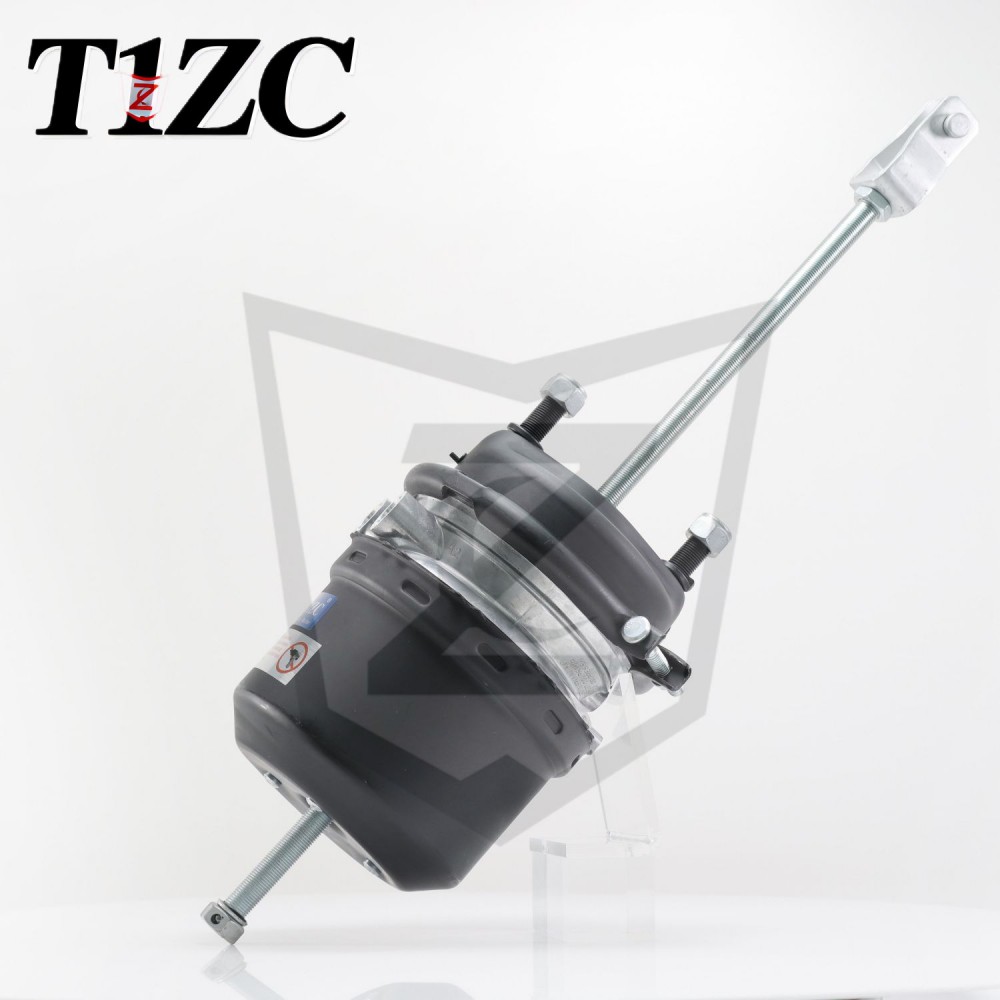 Regular Release T24 Rear Brake Chamber for Heavy TrucksT24 rear S-cam chamber with regular release for high-load commercial vehicles; its specified release behavior and suffix must match the axle application.View Product →
Single, DD and DP: Why Release Design Changes the Cross Reference
The prefix in front of a chamber code describes how many sections the unit contains and how it releases. A single chamber is a service brake only: it applies when the pedal goes down and does nothing afterwards. A combination chamber, catalogued as DD or DP depending on its internal construction and release hardware, carries a second spring section that doubles as the parking brake.
This is where most reference errors happen, because a combination chamber carries two numbers. A "24/30" is a 24 in² service section paired with a 30 in² spring section. Substituting a 30/30 raises the parking force and shifts the readjustment limit; substituting a 24/24 lowers the holding force on a grade. Neither difference shows up in a photograph or on a parts listing that only quotes one size.
The release mechanism adds a second layer of risk. Regular-release chambers must have their spring section caged before any service work, and the cage bolt has to stay reachable once the chamber is installed. Quick-release and inner-release designs use different tooling and different internal geometry, so a housing that physically fits may still be the wrong chamber to hand a driver at the roadside. Match the release type that the vehicle was specified with, not the one that is easiest to source.
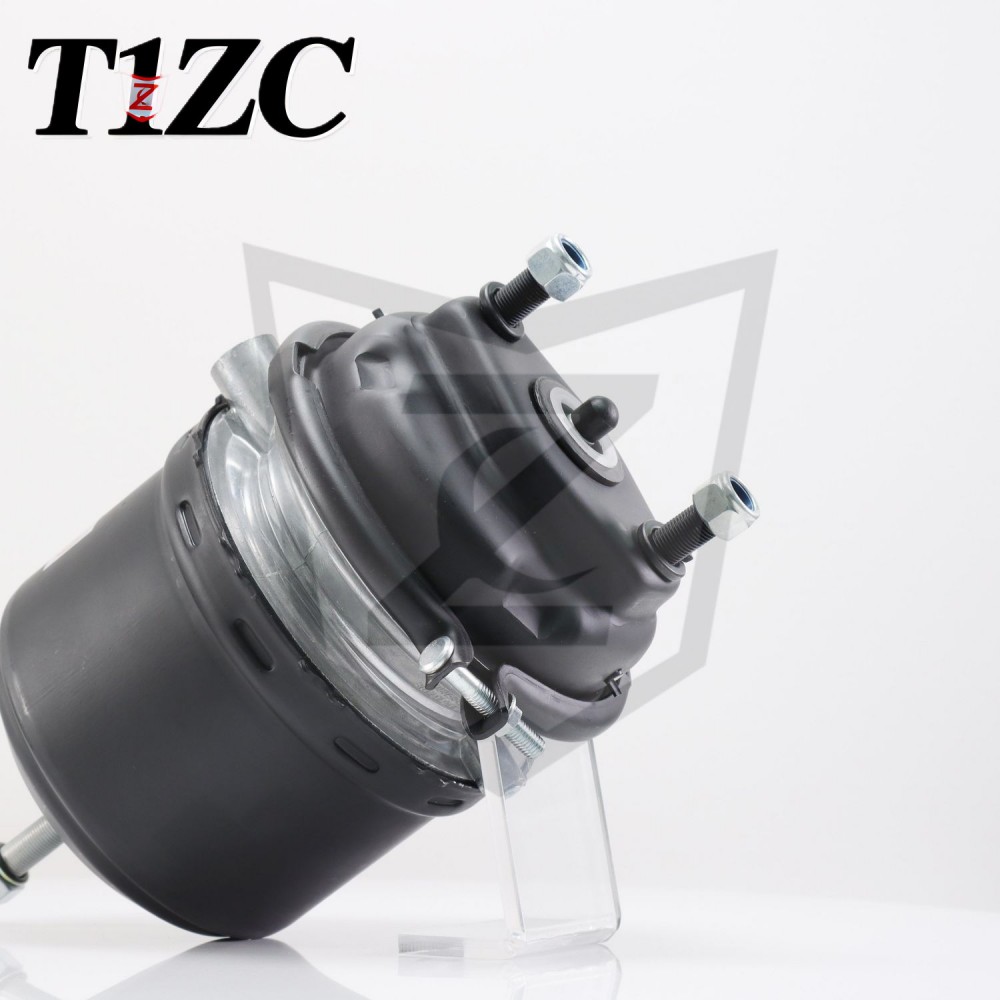 Regular Release T30 DP Disc Brake Rear ChamberT30 DP rear disc brake chamber for high-performance and heavy-duty braking; verify release type and vehicle-family cross reference before fitting.View Product →
Cross Referencing by Vehicle Family and Market
Cross reference tables are organised by vehicle family for a reason: the same chamber casting is built with different ports, brackets and stroke lengths for different markets, so a reference that works on one chassis can be wrong for another running the same axle.
- Japanese trucks (Hino and similar): port angles and clamp band diameters are often specific to the application, so a generic Type 24 fitment is not enough on its own.
- Russian and CIS vehicles (Kamaz and similar): metric port threads and heavier cast housings are common; NPT fittings should never be forced into them.
- European trucks (Iveco and similar): wedge chambers with flange mounting appear frequently, and flange depth is part of the fit, not an accessory detail.
- Mitsubishi F-series and similar: cast-iron wedge chambers with market-specific port layouts are still in service, and later production variants do not always swap straight in.
The practical takeaway is to reference by chassis and axle position first, then by type code, then by port and mount. That order reflects how these vehicles were actually built, and it is the same order a manufacturer uses when it publishes a market-specific version of a chamber.
 Kamaz Type Single S-cam Brake ChamberKamaz single S-cam brake chamber for commercial vehicles; identify by chassis and axle position, then type code, port and mount.View Product →
A Cross Reference Procedure You Can Repeat in the Workshop
Working in this order takes about ten minutes and prevents the expensive surprises.
- Record the vehicle identification, axle position and, if it is available, the OEM chamber number from the build sheet.
- Clean the old chamber and photograph the markings, the ports and the bracket before anything is removed.
- Measure pushrod travel at full application and compare it with the OEM limit — the readjustment figures for adjusting brake chamber pushrod stroke for different vehicle types are a useful starting point.
- Measure the mounting: bolt spacing, bolt thread and clamp band diameter on clamp-type chambers.
- Identify each port thread with a gauge and note the angle of every port relative to the bracket.
- Confirm the release hardware and, on a combination chamber, both type numbers.
- Match all six points against the supplier's data, then verify the physical dimensions of the new chamber before it goes on the vehicle.
Cross Reference Mistakes That Come Back as Warranty Claims
Almost every failed replacement we hear about traces back to one of five shortcuts.
- Referencing by part number only. The old number may be a customer-specific code that says nothing about stroke, port or mount.
- Assuming all Type 30 chambers are the same. Standard and long-stroke versions share housings but not travel limits.
- Ignoring port threads. Adapters used as a permanent fix create leak points and can void a warranty discussion on the spot.
- Mixing service and spring sections. A combination chamber must match on both numbers, not just the one that is easiest to read.
- Skipping the stroke check after installation. Even a correct cross reference needs a final measurement once the chamber is under air.
Brake Chamber Cross Reference FAQ
Can I replace a Type 24 chamber with a Type 30?
Usually not, and never without checking the vehicle specification. The larger chamber applies more force and needs more travel, which changes the readjustment limit and can overload the foundation brake hardware.
Is the number stamped on the old chamber enough to cross reference?
It is a starting point, not an answer. The stamp usually identifies the size and sometimes the release type, but port threads, port angles and mounting details still have to be measured on the vehicle.
Do S-cam and disc brake chambers cross reference to each other?
No. An S-cam chamber drives a camshaft that spreads the shoes, while a disc chamber applies a caliper through a different pushrod geometry and mounting interface. They are separate references.
What should I do when the port threads do not match?
Order the correct market version of the chamber instead of fitting an adapter as a permanent solution. Adapters add joints that can leak and make the installation harder to inspect.
Cross referencing is a measurement exercise, not a lookup exercise. Write down the type code, the stroke, the ports, the mount and the release type, and most of the ambiguity disappears before you place an order. If the vehicle runs disc brakes, the DP disc brake chamber range is a sensible place to compare numbers against what is already on the axle, and keeping the workshop notes on pushrod stroke and leak checking close by makes the final verification quick rather than optimistic.
Related products
-
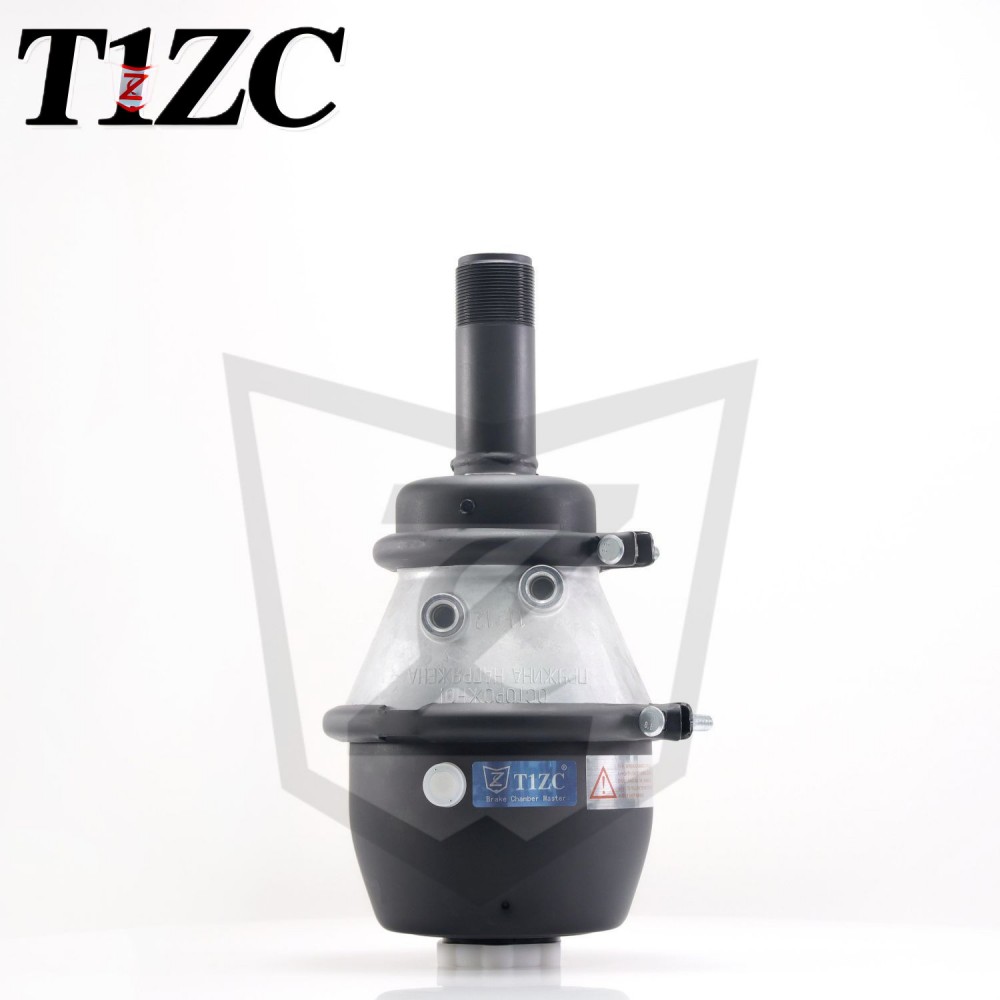
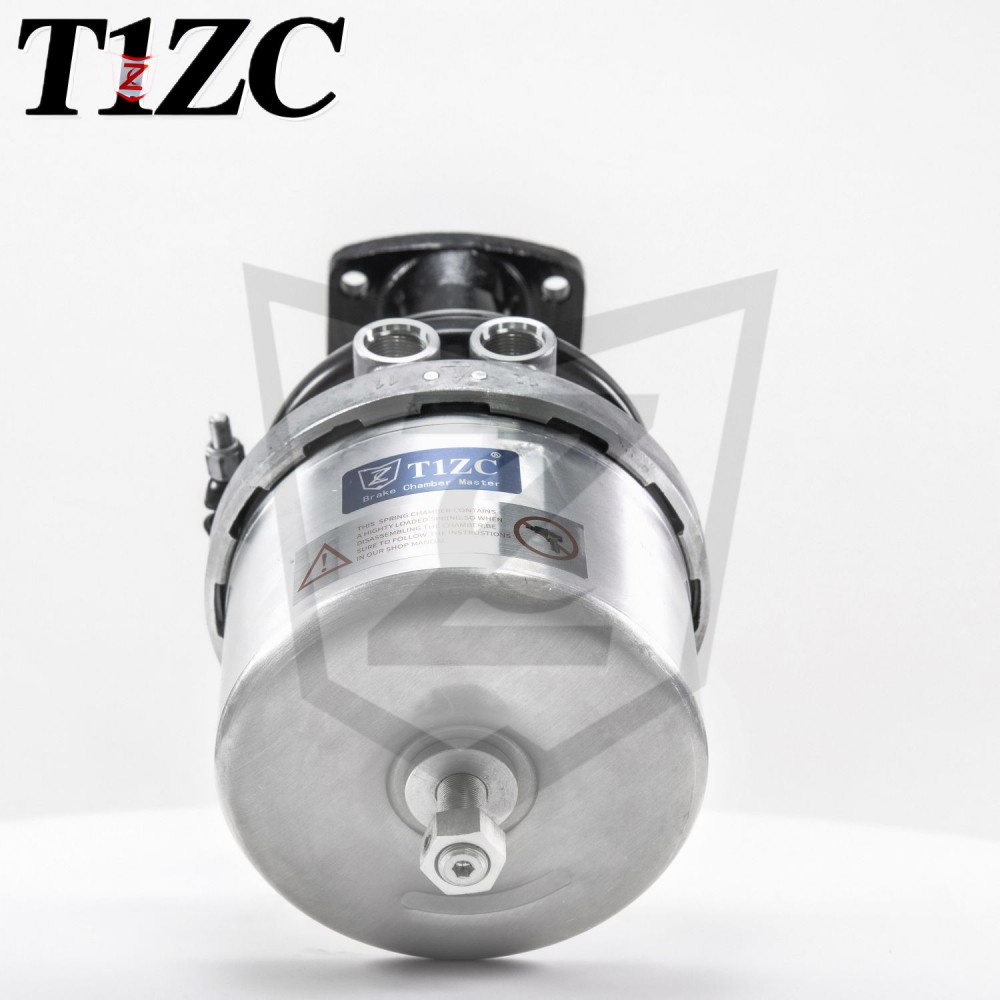
This brake chamber adopts a unique wedge-shaped design, combines advanced braking technology and high-quality materials, and is designed to provide stable, reliable and efficient braking performance t...
See Details -
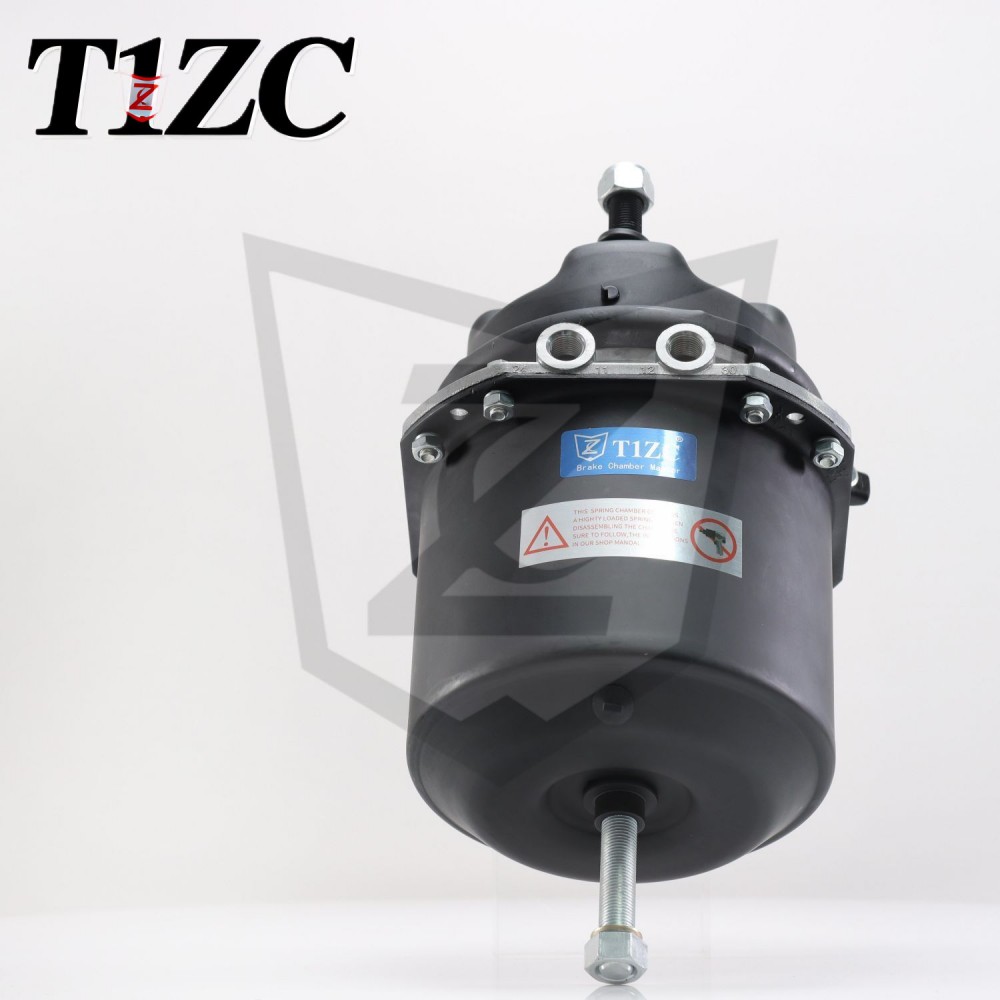
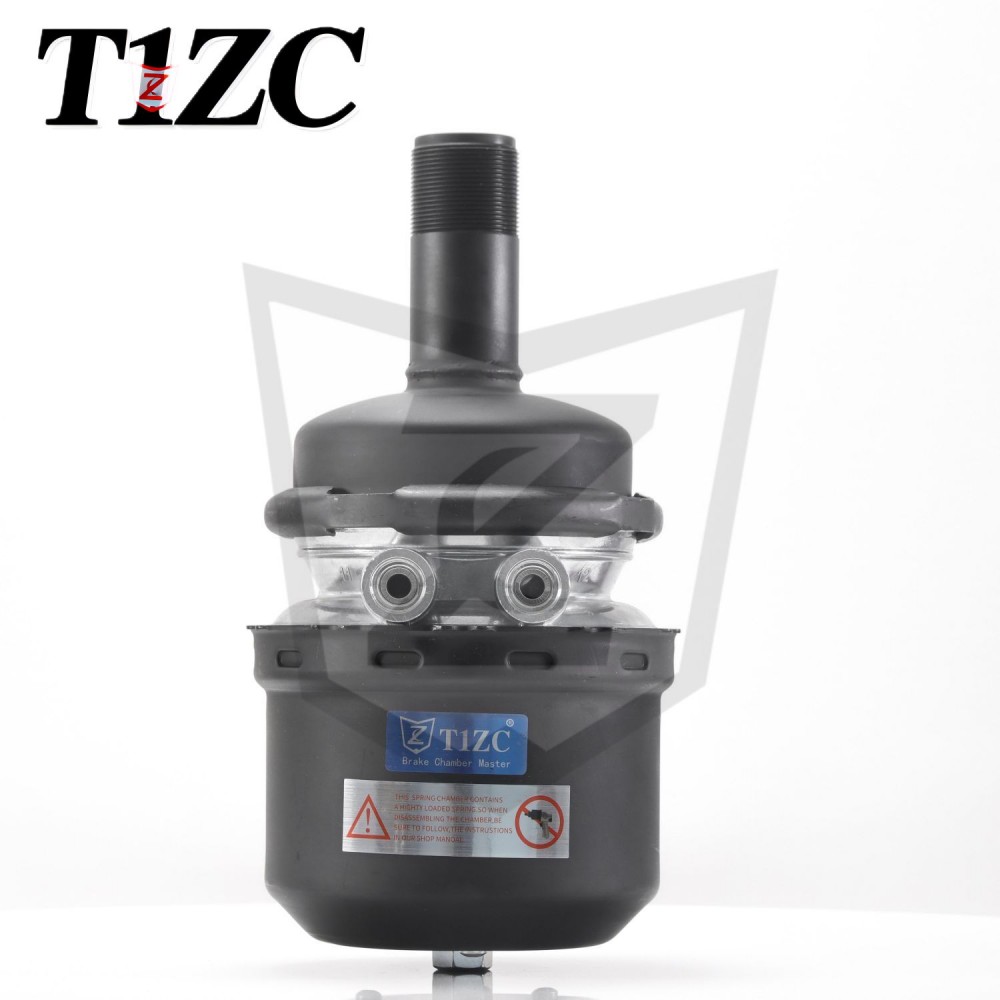
DP WEDGE BRAKE CHAMBER F-Series Regular Release This product is specially designed to meet the market's demand for efficient, stable and reliable braking systems. It uses advanced wedge braking techno...
See Details
CONTACT DETAILS
- Phone: +86-198 1775 0319
- TEL: +86-575 8909 8166
- E-mail: sale@t1zc.cn
- Office Address: 122-2 Busen West Road, Fengqiao Town, Zhuji, Zhejiang, China
If You Are Intrested
In Our Products,
Please Consult Us
Copyright © ZHUJI TEYI IMPORT&EXPORT CO.,LTD. All Rights Reserved.
China Brake Chamber Manufacturers
China Brake Chamber Supplier
