 EN
EN  English
 Português
Home / Blogs / Industry News / Can a Disc Brake Chamber Be Repaired or Should It Always Be Replaced?


Application Industry
AGV

Automated robots
laser cutting

Logistics sorting

Photovoltaic power-station
Medical devices
Can a Disc Brake Chamber Be Repaired or Should It Always Be Replaced?
Short Answer: A disc brake chamber can sometimes be repaired — but in most real-world scenarios, full replacement is the safer, more cost-effective, and regulation-compliant choice. Minor issues like a worn dust seal or a leaking inlet fitting may be serviceable, but internal diaphragm failure, spring brake malfunction, or structural corrosion almost always require complete unit replacement.
Content
- What Is a Disc Brake Chamber?
- Common Failure Modes of a Disc Brake Chamber
- Repair vs. Replacement: Side-by-Side Comparison
- When Can a Disc Brake Chamber Be Repaired?
- When Must a Disc Brake Chamber Be Replaced?
- Regulatory and Safety Standards for Disc Brake Chambers
- How to Extend the Service Life of Your Disc Brake Chamber
- Choosing the Right Replacement Disc Brake Chamber
- Frequently Asked Questions (FAQ)
- Conclusion
What Is a Disc Brake Chamber?
A disc brake chamber is a pneumatic actuator that converts compressed air pressure into mechanical force to clamp brake pads against a disc rotor. Unlike traditional drum brake systems, disc brake chambers are paired with caliper assemblies and are widely used on modern heavy-duty trucks, trailers, buses, and commercial vehicles for their superior stopping performance and heat dissipation.
The chamber typically contains a service brake section and — in the case of a spring brake chamber — a parking/emergency brake section powered by a coiled power spring. These components work under high pressure and mechanical stress every time the vehicle brakes.
Common Failure Modes of a Disc Brake Chamber
Understanding what typically goes wrong helps clarify whether repair or replacement is the right path:
- Diaphragm rupture or cracking — The rubber diaphragm separating the air chamber from the push rod cavity deteriorates over time, especially under high heat or chemical exposure.
- Spring brake failure — The coiled power spring can fracture internally. This is extremely dangerous and cannot be safely repaired in the field.
- Corrosion of the housing — External rust and internal corrosion weaken structural integrity, especially in regions with road salt exposure.
- Air leaks at fittings or ports — Minor leaks at threaded inlets may be resealed, but persistent leaking often signals deeper diaphragm or seal damage.
- Push rod or clevis wear — The push rod can suffer thread wear or bending, often addressable individually if the rest of the chamber is intact.
- Dust boot deterioration — The rubber boot protecting the push rod can crack and allow moisture ingress, accelerating internal wear.
Repair vs. Replacement: Side-by-Side Comparison
The table below compares key factors to help technicians and fleet managers make informed decisions about their disc brake chambers:
| Factor | Repair | Replacement |
| Upfront Cost | Lower (parts + labor for minor fixes) | Higher (new unit cost) |
| Long-Term Reliability | Variable — depends on remaining service life | High — full factory specification restored |
| Safety Level | Risk if spring brake involved | Highest — new components, tested integrity |
| Regulatory Compliance | May not meet FMCSA/DOT standards post-repair | Fully compliant if OEM-spec unit used |
| Downtime | Potentially shorter for minor issues | Slightly longer if sourcing takes time |
| Warranty | Usually none or limited | Typically 12–24 months from manufacturer |
| Applicable Failure Types | Dust boot, push rod, air fittings | Diaphragm, spring brake, housing corrosion |
When Can a Disc Brake Chamber Be Repaired?
In limited circumstances, a qualified technician may perform repairs on a disc brake chamber without replacing the entire unit. These include:
1. Dust Boot Replacement
If the push rod dust boot is cracked or missing but the internal diaphragm remains intact and the housing is corrosion-free, replacing just the dust boot is a straightforward and acceptable repair. This prevents moisture and debris from entering the chamber and extending service life.
2. Air Inlet Fitting Replacement
A leaking or cross-threaded air inlet fitting can often be replaced independently. If the leak source is confirmed at the port threads and not at the diaphragm, this is an acceptable repair — provided the rest of the chamber passes inspection.
3. Clevis and Push Rod Servicing
The clevis pin, clevis bracket, or even the push rod may wear independently. If replacement parts are available and the chamber body is in good condition, servicing these components is technically feasible and cost-effective.
When Must a Disc Brake Chamber Be Replaced?
The following conditions require immediate replacement of the disc brake chamber. Attempting repairs in these situations creates unacceptable safety risks:
Never Attempt to Disassemble a Spring Brake Chamber
The power spring inside a spring brake chamber stores thousands of pounds of mechanical energy. Improper disassembly without specialized caging tools can result in violent spring release, causing severe injury or death. Always replace the entire unit.
- Cracked or ruptured diaphragm — This causes complete air loss and brake failure. The diaphragm is not serviceable without a certified repair kit and proper tooling.
- Fractured spring brake housing — Any visible cracks in the clamp ring, piggyback housing, or end cap indicate structural failure requiring replacement.
- Severe internal corrosion — Rust within the chamber degrades diaphragm life rapidly and compromises air pressure integrity.
- Failed caging bolt or spring brake that won't cage — If the emergency spring cannot be safely caged, the unit is condemned and must be replaced.
- Out-of-stroke push rod — Excessive stroke indicates worn brake pads, caliper issues, or a chamber that can no longer actuate within specification.
Regulatory and Safety Standards for Disc Brake Chambers
In North America, disc brake chambers on commercial motor vehicles are regulated under FMCSA 49 CFR Part 393 and are subject to inspection under the Commercial Vehicle Safety Alliance (CVSA) Out-of-Service Criteria. In Europe, ECE R13 and similar regional standards apply.
Key regulatory points include:
- Spring brake chambers with visible external cracks are placed out of service immediately.
- Push rod travel exceeding maximum stroke limits constitutes a violation.
- Any air leak audible from 3 feet away during brake application is an out-of-service condition.
- Mismatched chamber sizes on a single axle are prohibited.
Because repaired chambers may not meet OEM performance specifications, many fleet operators and safety managers default to replacement to ensure compliance and avoid liability.
How to Extend the Service Life of Your Disc Brake Chamber
Proactive maintenance significantly reduces premature failure of a disc brake chamber:
- Drain air tanks daily — Moisture in the air system is the leading cause of diaphragm and internal component degradation. Drain manually or install automatic drains.
- Inspect dust boots at every PM — Cracked or missing boots allow contamination and dramatically shorten chamber life.
- Check push rod stroke regularly — Use the correct CVSA stroke measurement method. Adjust automatic slack adjusters if stroke is beyond spec.
- Inspect clamp band and housing — Look for rust, dents, or separation at the clamp ring seam during pre-trip or PM inspections.
- Verify air system pressure — Operating below recommended system pressure stresses diaphragms and reduces brake effectiveness.
- Use OEM-equivalent replacement parts — When any components are replaced, ensure they match the size type (e.g., Type 30, Type 24/30 combination) and stroke specification.
Choosing the Right Replacement Disc Brake Chamber
When selecting a replacement disc brake chamber, consider the following specifications:
| Specification | What to Look For |
| Chamber Type | Service chamber vs. spring brake (piggyback) combination |
| Size/Type Number | Must match axle position (Type 20, 24, 30, 36, etc.) |
| Stroke Rating | Standard (2.5") or Long Stroke (3") — match OEM spec |
| Port Orientation | Ensure inlet port positioning matches vehicle bracket |
| Certification | Confirm FMCSA/ECE compliance markings |
| Material/Coating | Corrosion-resistant housing preferred for harsh climates |
Frequently Asked Questions (FAQ)
Conclusion
While minor components of a disc brake chamber — such as the dust boot, air fittings, or clevis hardware — can sometimes be repaired or replaced independently, the general industry recommendation is to replace the entire chamber when significant wear, internal damage, or structural compromise is detected.
The cost savings from repair rarely justify the safety risk, potential regulatory non-compliance, and liability exposure — especially in spring brake applications where disassembly is inherently dangerous. For fleet managers and owner-operators alike, a quality replacement disc brake chamber from a verified manufacturer is the most reliable path to restored braking performance, regulatory compliance, and driver safety.
Always consult a certified brake technician when in doubt, and never compromise on brake system integrity.
Related products
-
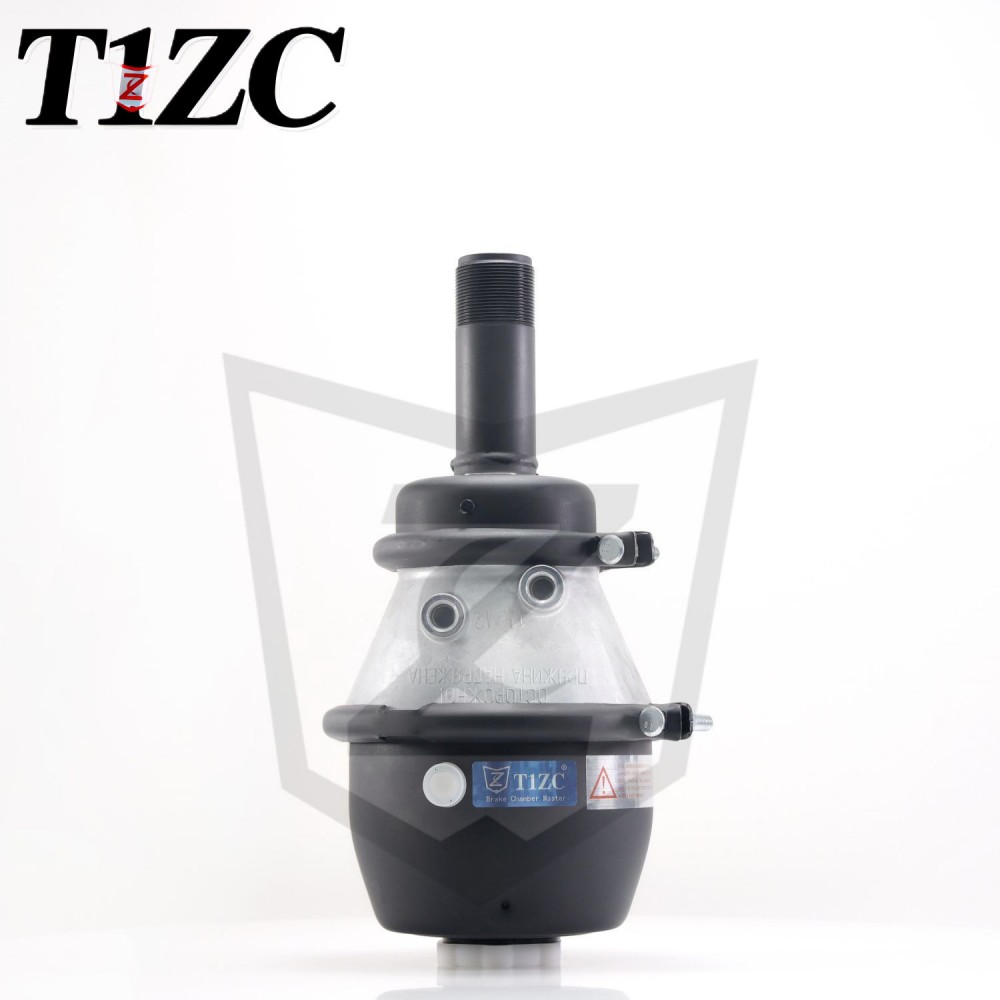
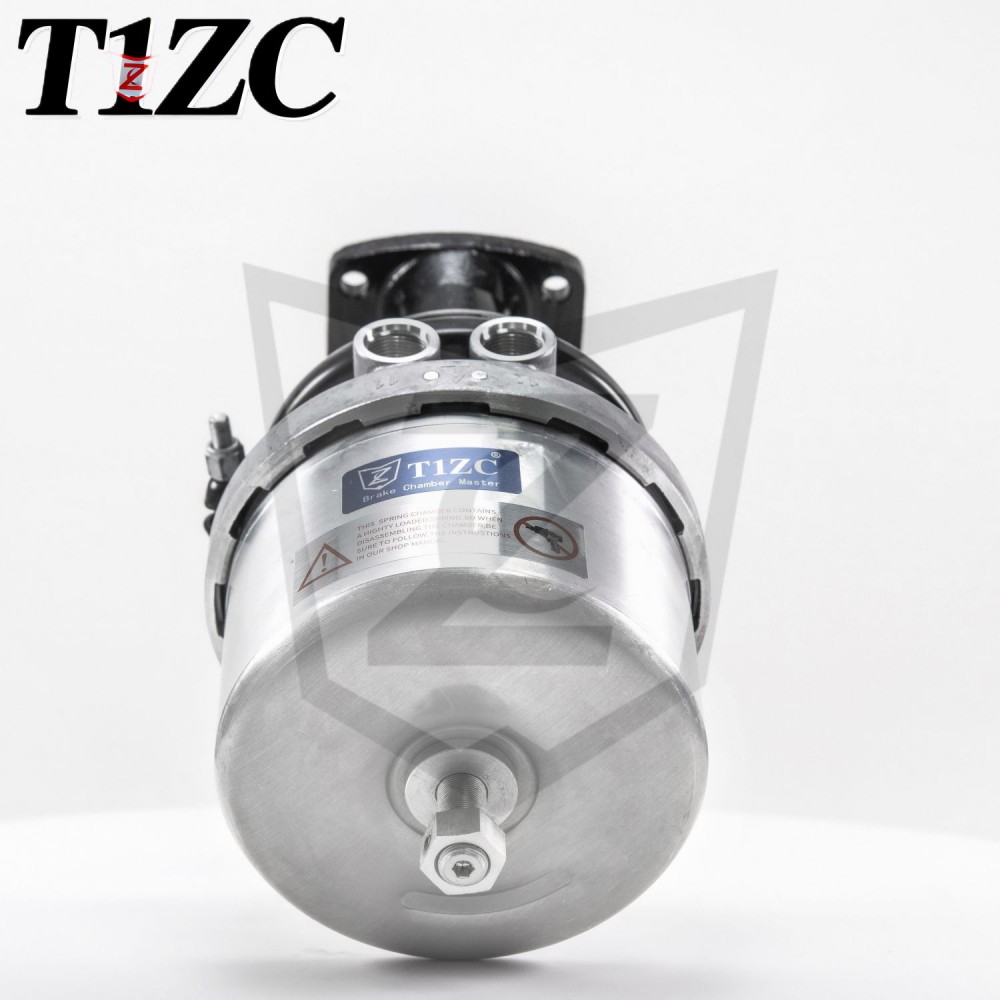
This brake chamber adopts a unique wedge-shaped design, combines advanced braking technology and high-quality materials, and is designed to provide stable, reliable and efficient braking performance t...
See Details -
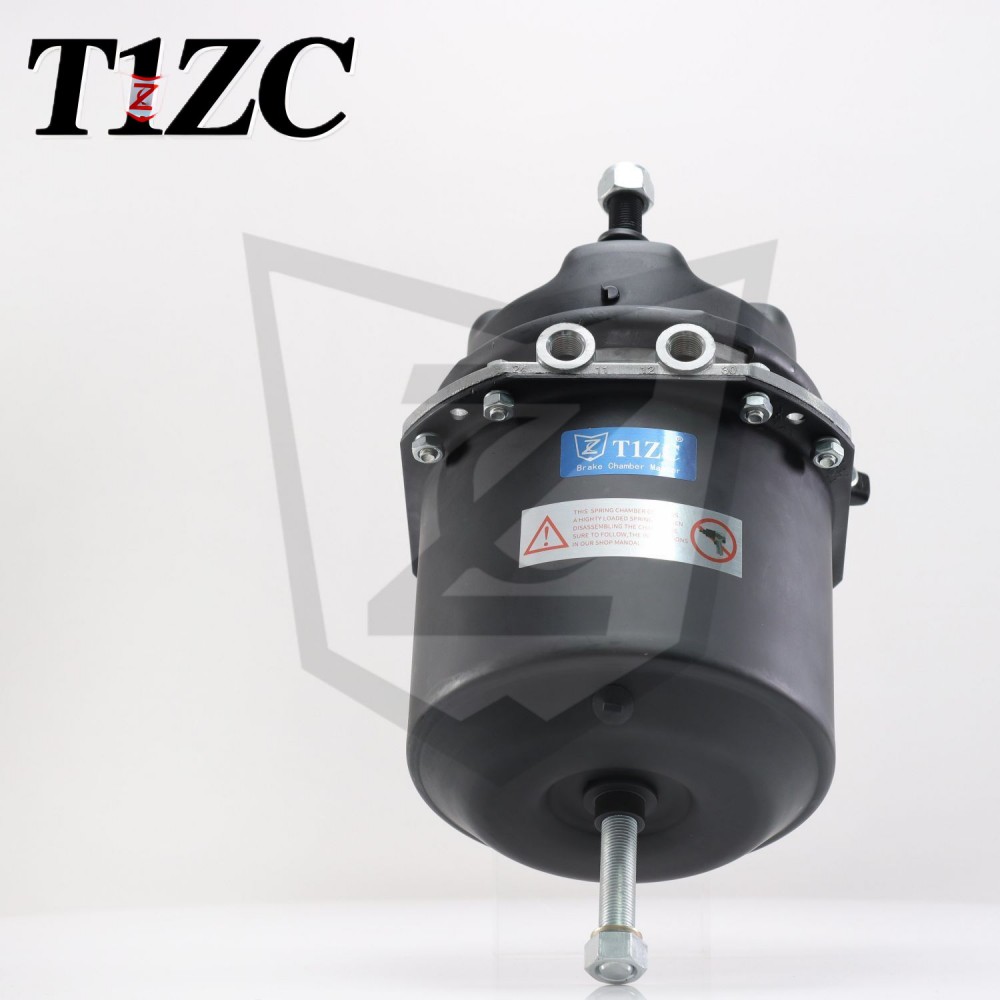
DP WEDGE BRAKE CHAMBER F-Series Regular Release This product is specially designed to meet the market's demand for efficient, stable and reliable braking systems. It uses advanced wedge braking techno...
See Details
CONTACT DETAILS
- Phone: +86-198 1775 0319
- TEL: +86-575 8909 8166
- E-mail: sale@t1zc.cn
- Office Address: 122-2 Busen West Road, Fengqiao Town, Zhuji, Zhejiang, China
If You Are Intrested
In Our Products,
Please Consult Us
Copyright © ZHUJI TEYI IMPORT&EXPORT CO.,LTD. All Rights Reserved.
China Brake Chamber Manufacturers
China Brake Chamber Supplier
