

 EN
EN  English
 Português
Application Industry
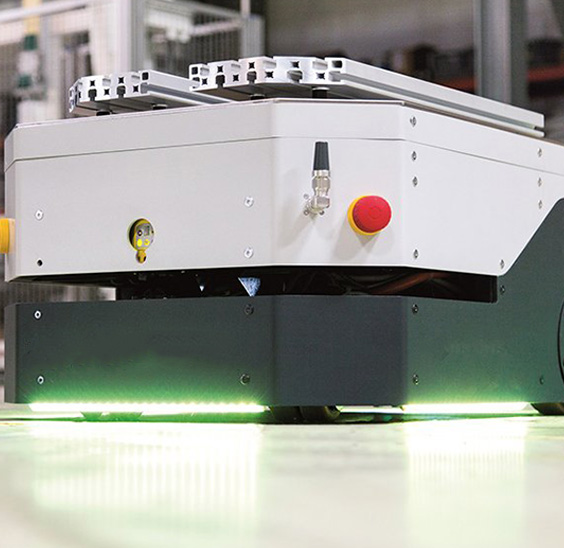
AGV

Automated robots
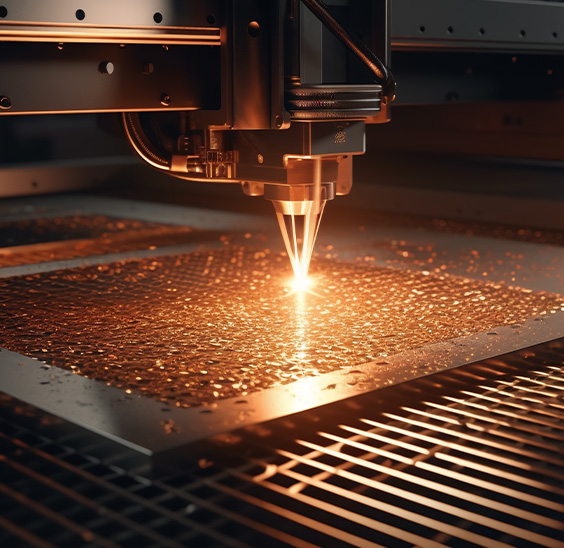
laser cutting

Logistics sorting

Photovoltaic power-station
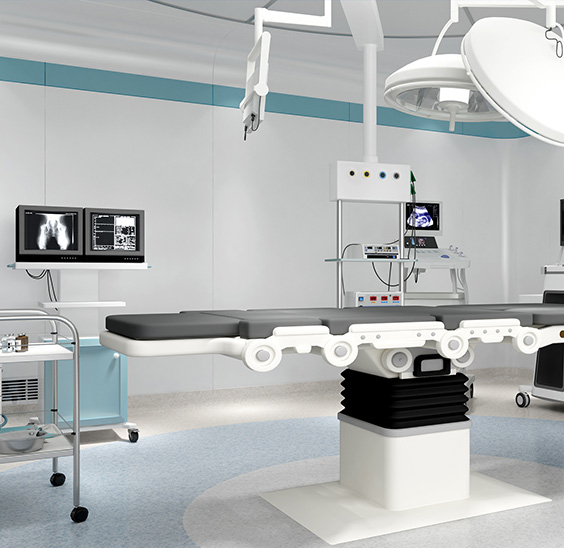
Medical devices
How Does a Disc Brake Chamber Affect Brake Performance?
A disc brake chamber directly determines how quickly, consistently, and safely a vehicle stops. It converts compressed air pressure into the mechanical force that actuates the brake caliper, clamping brake pads against the rotor. Without a properly functioning disc brake chamber, braking response becomes sluggish, uneven, or dangerously unreliable — especially in heavy-duty commercial vehicles operating under high loads and demanding road conditions.
Content
- What Is a Disc Brake Chamber?
- Core Functions of the Disc Brake Chamber
- Disc Brake Chamber vs. Drum Brake Chamber: A Performance Comparison
- Key Factors That Influence Disc Brake Chamber Performance
- Signs of a Failing Disc Brake Chamber
- Disc Brake Chamber Types Compared
- Maintenance Best Practices for Disc Brake Chambers
- The Role of Disc Brake Chambers in Modern Safety Systems
- Frequently Asked Questions (FAQ)
- Conclusion
What Is a Disc Brake Chamber?
A disc brake chamber is a pneumatic actuator used in air brake systems, predominantly found on heavy commercial vehicles such as trucks, buses, trailers, and coaches. Unlike drum brake systems, which use a brake shoe pressing outward against a drum, disc brake systems rely on a caliper squeezing brake pads inward against a rotor. The disc brake chamber supplies the precise, consistent force needed for this action.
The chamber typically consists of a housing divided into two sections by a flexible diaphragm. When pressurized air enters the service port, the diaphragm flexes outward, pushing a pushrod. This pushrod engages the brake caliper mechanism, generating the clamping force that slows the vehicle. Many modern units are combination chambers — integrating both a service brake section and a spring brake (parking/emergency brake) section within a single compact assembly.
Core Functions of the Disc Brake Chamber
Understanding the functional roles of the disc brake chamber reveals exactly why its condition and specification are so critical to overall braking performance:
1. Force Conversion and Transmission
The chamber's primary role is to convert pneumatic energy (compressed air pressure) into linear mechanical force via the pushrod. The output force depends on both the air pressure supplied and the effective area of the diaphragm. A larger chamber size means a larger diaphragm area and thus a greater output force at the same air pressure — a critical consideration when specifying chambers for heavier axle loads.
2. Response Time and Brake Lag
The disc brake chamber plays a pivotal role in minimizing brake lag — the delay between the driver pressing the brake pedal and the brake pads fully engaging the rotor. A high-quality chamber with a responsive diaphragm and optimized internal geometry can reduce this lag significantly, which at highway speeds translates directly into shorter stopping distances and enhanced safety margins.
3. Consistent Force Application
Consistent and symmetrical force across all axle positions ensures even brake pad wear and prevents vehicle pull during braking. A worn or damaged disc brake chamber may deliver inconsistent output, leading to uneven braking across an axle — a condition that stresses suspension components and can cause handling instability.
4. Spring Brake (Parking and Emergency) Function
In combination spring brake chambers, a powerful coil spring provides the emergency and parking brake function. When system air pressure drops below a safe threshold — due to a system failure or deliberate release (parking) — the spring automatically applies the brake, bringing the vehicle to a controlled stop or holding it in place. This fail-safe mechanism is a critical safety feature mandated by international commercial vehicle regulations.
Disc Brake Chamber vs. Drum Brake Chamber: A Performance Comparison
Many fleet operators face the question of whether to upgrade from drum to disc brake systems. The following comparison highlights the performance differences related to the brake chamber and overall system behavior:
| Performance Factor | Disc Brake Chamber System | Drum Brake Chamber System |
| Stopping Distance | Shorter — superior clamping geometry | Longer — less efficient force application |
| Heat Dissipation | Excellent — open rotor design | Moderate — heat trapped inside drum |
| Fade Resistance | High — consistent under repeated use | Lower — susceptible to heat fade |
| Wet Weather Performance | Superior — rotors self-clean | Reduced — moisture trapped in drum |
| Chamber Response Speed | Faster — lower pushrod stroke needed | Slower — greater mechanical travel |
| Maintenance Frequency | Less frequent — self-adjusting calipers | More frequent — manual adjustment often needed |
| System Weight | Generally lighter overall | Heavier due to drum assembly |
| Initial Cost | Higher upfront investment | Lower upfront cost |
Key Factors That Influence Disc Brake Chamber Performance
Chamber Size and Type
Disc brake chambers are available in standardized sizes — typically designated by the effective diaphragm area in square inches (e.g., Type 16, Type 20, Type 24, Type 30). A larger type number indicates a greater diaphragm area and, consequently, higher output force. Selecting the correct size for the axle load is fundamental: an undersized chamber will deliver insufficient clamping force, leading to extended stopping distances, while an oversized unit may cause unnecessary weight and complexity.
Diaphragm Condition and Material
The diaphragm is the heart of the disc brake chamber. Manufactured from reinforced rubber compounds, it must maintain airtight integrity through thousands of actuation cycles across extreme temperatures, vibration, and contaminant exposure. A cracked, perforated, or hardened diaphragm will allow air to leak, dramatically reducing output force and causing spongy, unreliable brake response. Regular inspection and timely replacement are essential.
Air Supply Pressure and System Integrity
The performance output of a disc brake chamber is directly proportional to the supply air pressure. Standard heavy vehicle air brake systems operate at 6.5–8.5 bar (approximately 95–125 psi). Any reduction in supply pressure — caused by leaks in lines, valves, or fittings — directly reduces braking force. Maintaining the compressor, reservoirs, and all pneumatic lines in excellent condition is as important as the chamber itself.
Pushrod Stroke and Adjustment
Each disc brake chamber is designed to operate within a specified pushrod stroke range. If the stroke is too short, full braking force is never achieved. If it is too long, the diaphragm may reach the edge of its effective travel range, reducing output dramatically. While disc brake systems with self-adjusting calipers largely manage this automatically, periodic verification of pushrod stroke during routine inspections remains a recommended practice.
Environmental and Operating Conditions
Operating environments significantly influence disc brake chamber durability and performance. Exposure to road salt, water ingress, extreme cold (causing seal stiffening), and high heat (from prolonged braking on descents) all accelerate wear. Chambers designed with superior sealing, corrosion-resistant housings, and high-temperature-rated diaphragm compounds will deliver more consistent performance under demanding conditions.
Signs of a Failing Disc Brake Chamber
Recognizing deterioration early prevents dangerous braking failures. Watch for these warning signs:
- Audible air leaks: A hissing sound near the axle during or after brake application indicates diaphragm failure or seal degradation.
- Increased stopping distance: Noticeably longer stopping distances suggest insufficient output force from one or more chambers.
- Vehicle pulling to one side: Unequal chamber output causes asymmetric braking, pulling the vehicle during stops.
- Spongy or delayed pedal response: Soft or sluggish brake feel can indicate air loss through a compromised diaphragm.
- Visible corrosion or physical damage: External corrosion on the housing may indicate internal moisture and component degradation.
- Spring brake failure to release: If a combination chamber's spring section fails to fully retract, the parking brake may drag, causing overheating and premature pad wear.
Disc Brake Chamber Types Compared
Fleet managers often need to select between different chamber configurations. The following table compares the most common types:
| Chamber Type | Configuration | Best Application | Key Advantage |
| Service Chamber Only | Single diaphragm, service brake only | Steer axles with separate parking brake | Compact and lightweight |
| Spring Brake Combination | Service + spring brake integrated | Drive and trailer axles | Parking + emergency fail-safe |
| Long Stroke Chamber | Extended diaphragm travel range | High-wear applications, extended maintenance intervals | Greater stroke tolerance, reduced adjustment sensitivity |
| EBS-Compatible Chamber | Integrated pressure sensors / modulators | Electronic brake systems (EBS / ABS) | Precise electronic control and diagnostics |
Maintenance Best Practices for Disc Brake Chambers
Maximizing the performance and service life of your disc brake chamber requires a disciplined maintenance approach:
- Visual inspection at every service: Check housing, clamp bands, dust boot, and pushrod for signs of damage, corrosion, or misalignment.
- Air leak testing: Apply soapy water around the chamber body and clamp ring with brakes applied. Bubbles indicate leakage requiring immediate attention.
- Pushrod stroke measurement: Measure stroke at full application pressure and compare to manufacturer specifications.
- Replace as pairs: Always replace chambers in axle pairs to ensure balanced braking force distribution.
- Never cage a suspect spring brake: Physically caging (compressing) the internal spring for removal requires proper tooling and strict safety procedures — a sudden release is fatal.
- Drain air system moisture: Regularly drain reservoir tanks and maintain air dryer efficiency. Moisture accelerates internal corrosion of chambers.
- Adhere to replacement intervals: Even if no failure is evident, replace chambers in accordance with the vehicle manufacturer's recommended service intervals.
The Role of Disc Brake Chambers in Modern Safety Systems
Modern heavy vehicles increasingly integrate advanced driver assistance systems (ADAS), including Automatic Emergency Braking (AEB), Electronic Stability Control (ESC), and Electronic Brake Systems (EBS). In all of these, the disc brake chamber remains the final actuator — the physical component that must faithfully execute the commands generated by the vehicle's electronic control units.
For AEB systems to achieve their full potential stopping performance, the chambers must respond with maximum speed and consistency. Any delay or variation in chamber response undermines the effectiveness of the entire system. This makes the quality, specification, and condition of the disc brake chamber more critical than ever in the era of electronically controlled braking.
EBS-compatible chambers incorporate pressure sensors that provide real-time feedback to the control unit, allowing precise modulation of braking force at each axle — a capability that is central to reducing stopping distances and preventing wheel lockup without reliance solely on ABS cycling.
Frequently Asked Questions (FAQ)
Conclusion
The disc brake chamber is far more than a passive component — it is the active link between the driver's intent and the vehicle's stopping power. Its condition, specification, and correct installation directly determine stopping distances, brake balance, pad and rotor longevity, and the effectiveness of integrated safety systems.
For fleet operators and maintenance professionals, treating the disc brake chamber with the same rigor as any other safety-critical component — with regular inspections, correct specification matching, and prompt replacement when needed — is essential to maintaining the highest standards of vehicle safety and operational efficiency.
Investing in quality chambers and adhering to disciplined maintenance schedules is not just a matter of regulatory compliance — it is a direct investment in the safety of drivers, cargo, and everyone sharing the road.
Related products
-
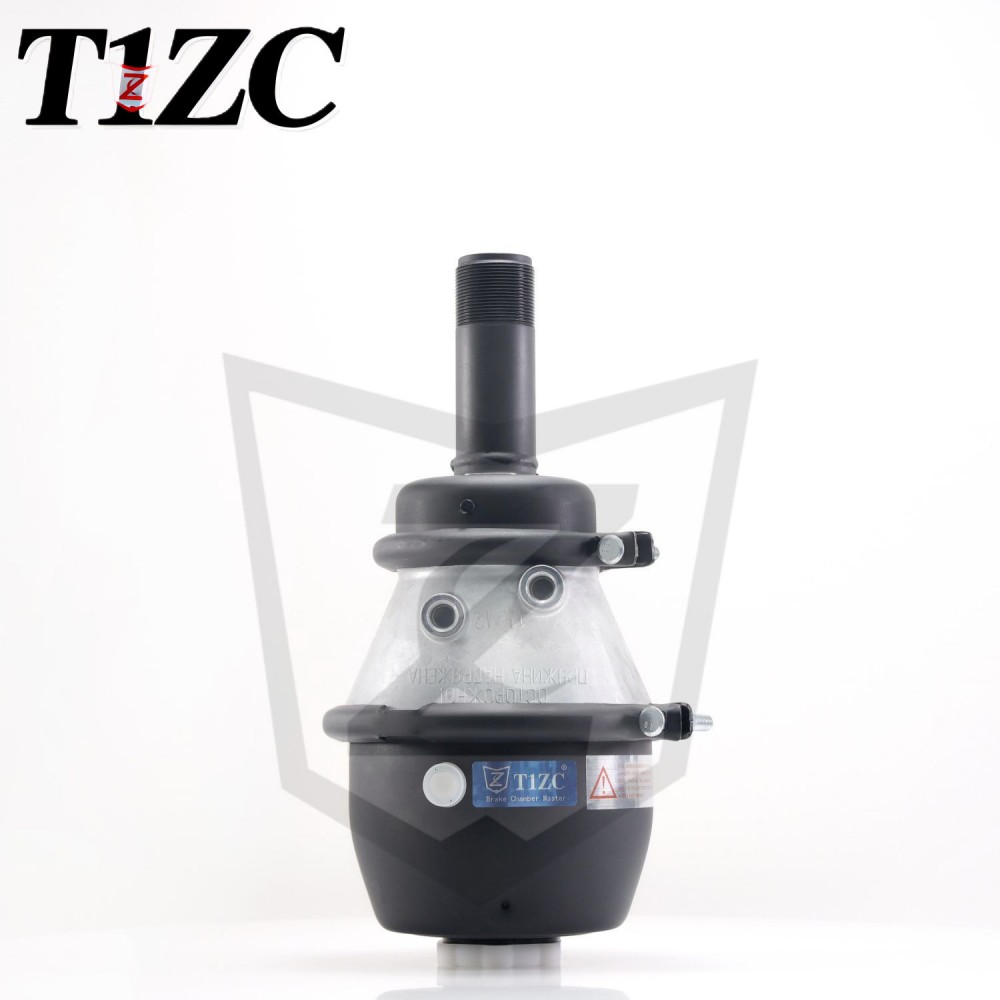
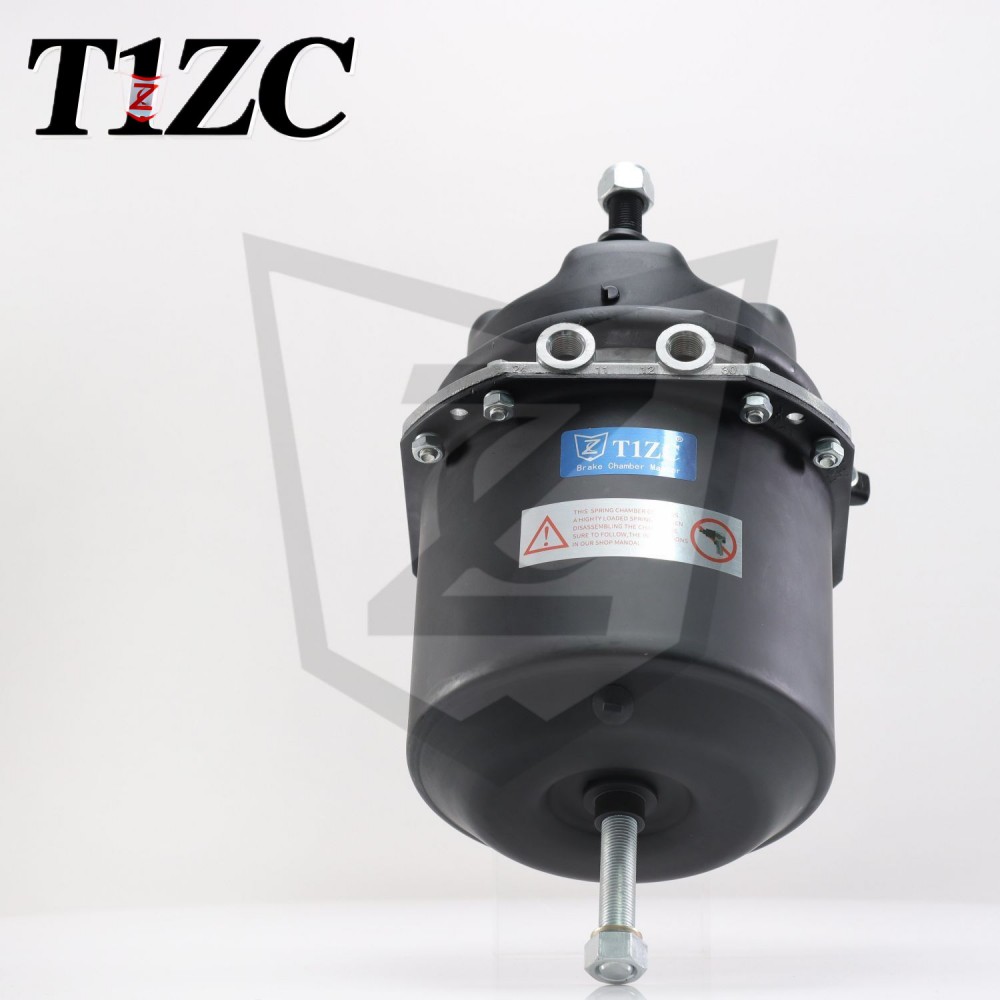
This brake chamber adopts a unique wedge-shaped design, combines advanced braking technology and high-quality materials, and is designed to provide stable, reliable and efficient braking performance t...
See Details -
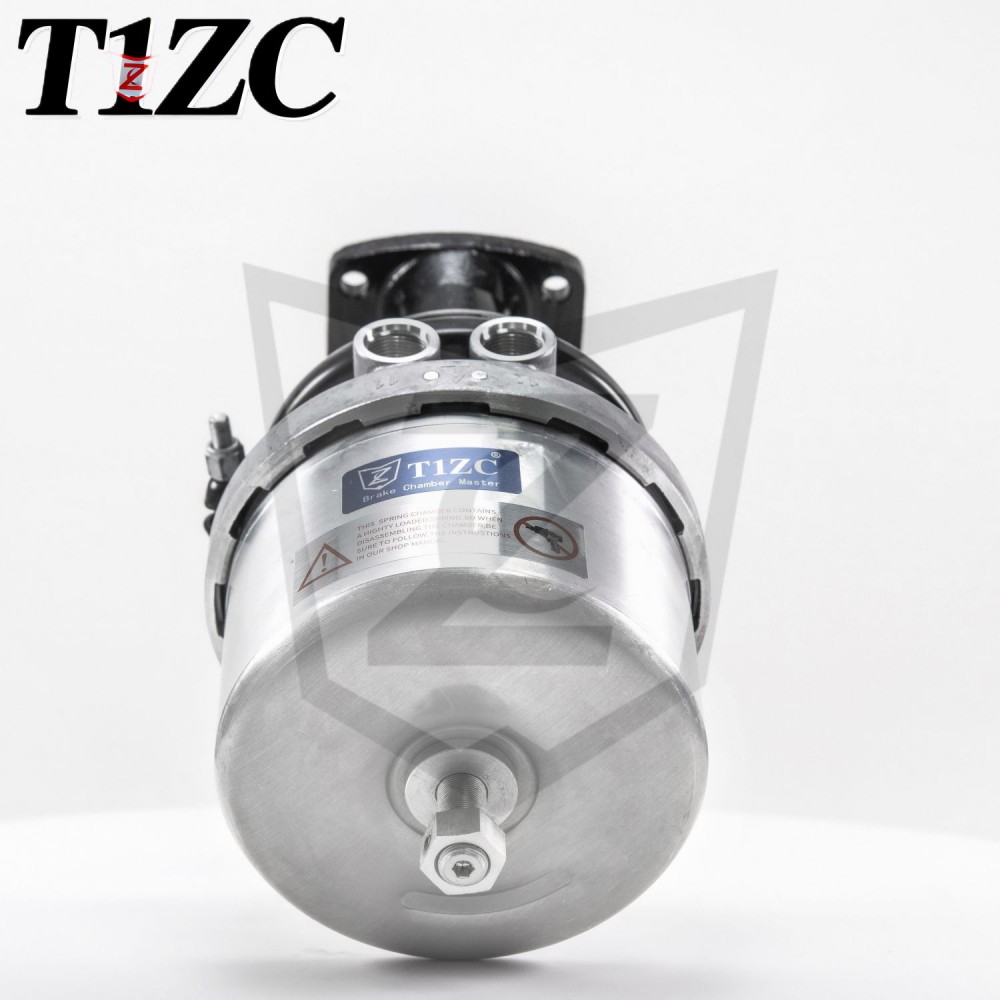
DP WEDGE BRAKE CHAMBER F-Series Regular Release This product is specially designed to meet the market's demand for efficient, stable and reliable braking systems. It uses advanced wedge braking techno...
See Details
CONTACT DETAILS
- Phone: +86-198 1775 0319
- TEL: +86-575 8909 8166
- E-mail: sale@t1zc.cn
- Office Address: 122-2 Busen West Road, Fengqiao Town, Zhuji, Zhejiang, China
If You Are Intrested
In Our Products,
Please Consult Us
Copyright © ZHUJI TEYI IMPORT&EXPORT CO.,LTD. All Rights Reserved.
China Brake Chamber Manufacturers
China Brake Chamber Supplier
