
 EN
EN  English
 Português



Brake chamber replacement is required when a truck's air brake chamber shows signs of diaphragm failure, air leaks, pushrod misalignment, or physical damage that cannot be repaired by adjustment alone. The replacement process involves depressurizing the system, caging the spring brake, unbolting the old chamber, installing a correctly sized new unit, and verifying stroke and air integrity — a job that typically takes 1 to 3 hours per axle and is critical to maintaining legal stopping performance on commercial vehicles.
Brake chambers are the heart of any air brake system. They convert air pressure into the mechanical force that clamps the brake shoes or pads against the drum or rotor. When they fail — even partially — stopping distances increase dramatically and the vehicle becomes a road hazard. This guide covers everything fleet managers, owner-operators, and mechanics need to know: failure signs, chamber types, the step-by-step replacement procedure, cost comparisons, and maintenance best practices.
Content
- What Is a Brake Chamber and Why Does It Fail?
- Warning Signs That Brake Chamber Replacement Is Needed
- Which Type of Brake Chamber Do You Need?
- How to Replace a Brake Chamber: Step-by-Step Procedure
- Tools and Materials Required
- Step 1: Safety Setup
- Step 2: Cage the Spring Brake (Spring Chambers Only)
- Step 3: Disconnect Air Lines
- Step 4: Disconnect the Pushrod from the Slack Adjuster
- Step 5: Unmount the Old Chamber
- Step 6: Inspect the Mounting Bracket and Surrounding Components
- Step 7: Install the New Brake Chamber
- Step 8: Reconnect Air Lines and Pressurize
- Step 9: Leak Test and Stroke Verification
- Brake Chamber Replacement Cost: What to Expect
- DIY vs. Professional Shop: Which Is Right for Your Situation?
- How to Extend Brake Chamber Service Life
- Frequently Asked Questions About Brake Chamber Replacement
- Final Verdict: Treat Brake Chamber Replacement as a Priority, Not an Option
What Is a Brake Chamber and Why Does It Fail?
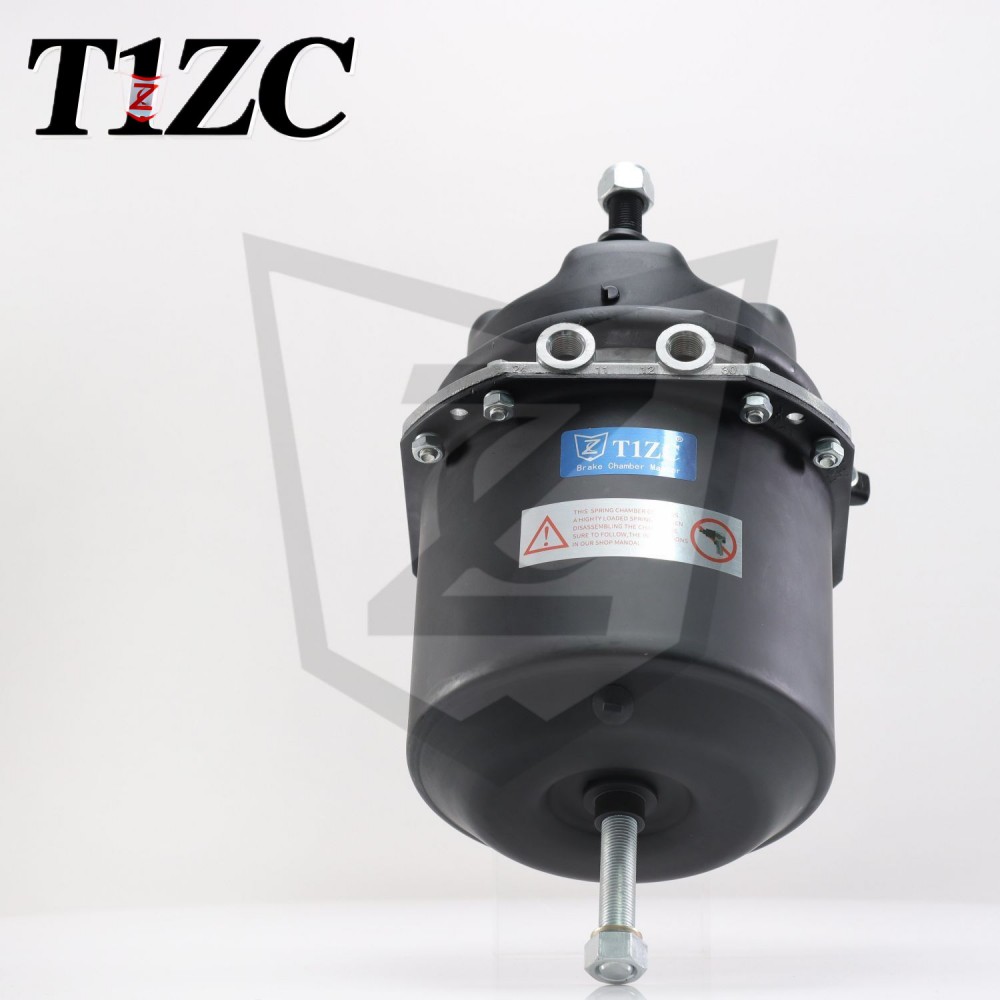
A brake chamber is an air-actuated mechanical device mounted at each wheel position that converts compressed air pressure into pushrod force to apply the brakes — and it fails primarily due to diaphragm deterioration, corrosion, and moisture contamination.
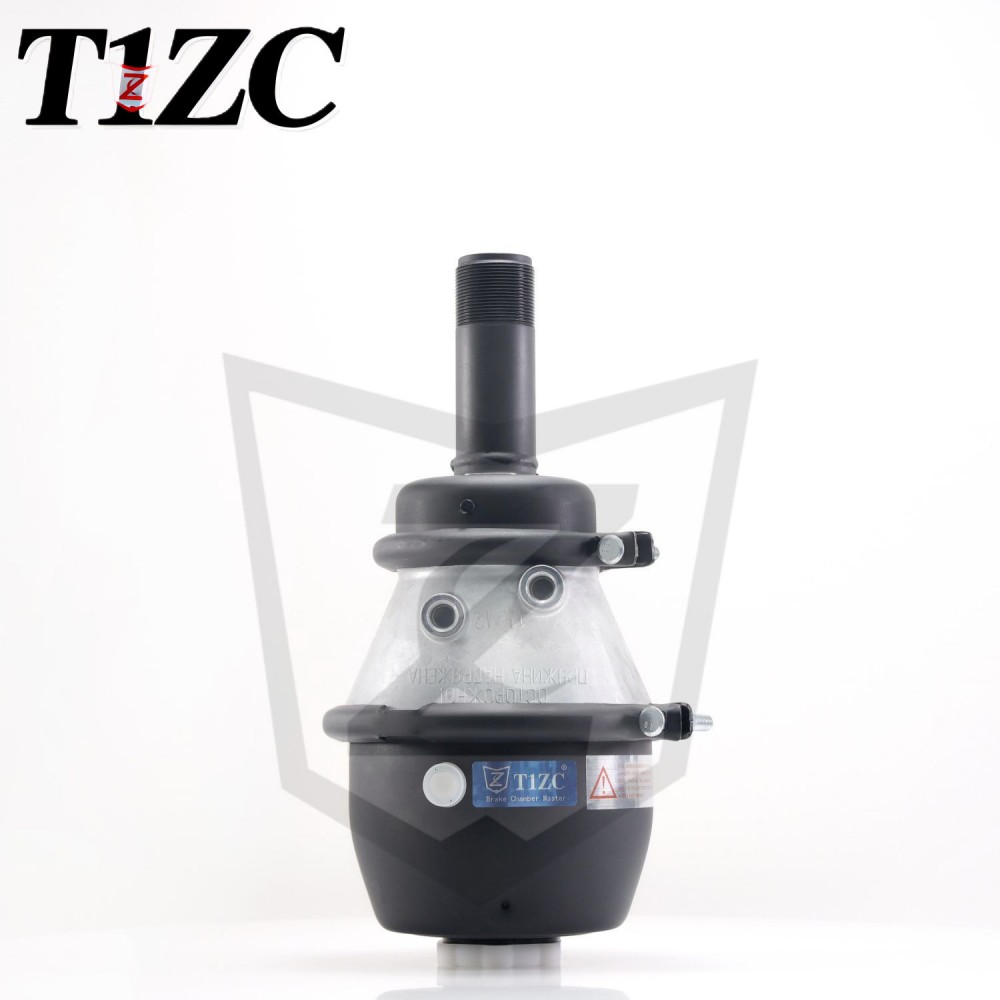
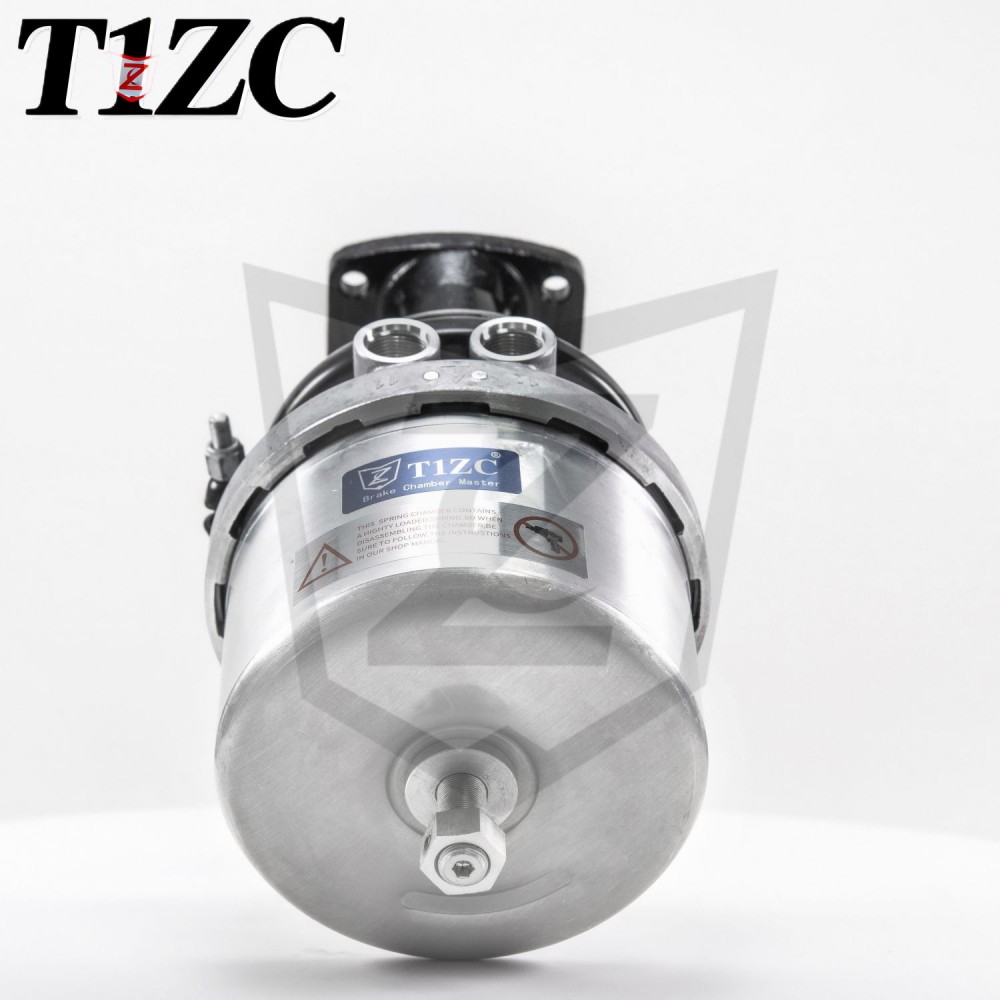
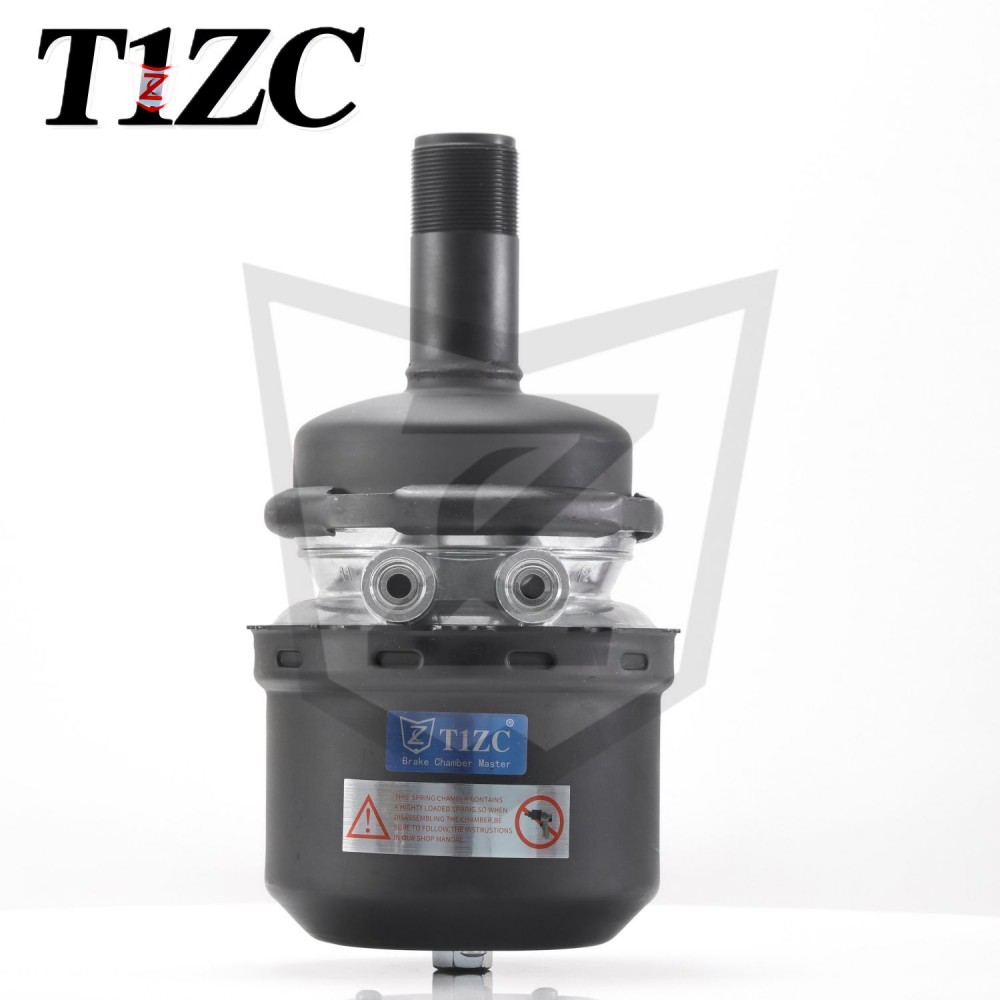
Inside every service brake chamber is a flexible rubber diaphragm stretched across a sealed housing. When the driver applies the brakes, air pressure pushes against this diaphragm, extending the pushrod and actuating the slack adjuster and brake shoes. The spring brake side (in combination chambers) uses a powerful coil spring to apply the parking and emergency brake when air pressure is released.
Primary Causes of Brake Chamber Failure
- Diaphragm cracking or tearing: The rubber diaphragm degrades over time from heat cycles, ozone exposure, and mechanical stress. Cracks allow air to bypass the diaphragm, reducing pushrod force.
- Moisture and corrosion: Water in the air system — from inadequate air dryer maintenance — accelerates internal corrosion of the housing and clamp band, weakening the seal.
- Clamp band failure: The band that secures the two halves of the chamber can loosen or corrode, causing the chamber to separate under pressure — a catastrophic failure mode.
- Spring fatigue (spring brakes): The internal coil spring in piggyback chambers can lose tension or fracture, compromising parking brake holding force.
- Physical damage: Road debris impact, improper installation, or over-stroking due to a worn slack adjuster can bend the pushrod or crack the housing.
- Age: Most manufacturers recommend replacement every 5 to 7 years regardless of apparent condition, due to internal degradation that is not visible externally.
Warning Signs That Brake Chamber Replacement Is Needed
The most reliable indicator that a brake chamber needs replacement is a hissing air leak audible at the chamber location, combined with a pushrod stroke that exceeds the legal adjustment limit during a brake application.
Federal Motor Carrier Safety Administration (FMCSA) regulations under 49 CFR 393.47 specify maximum allowable pushrod strokes based on chamber size. An out-of-adjustment or failing chamber that cannot hold stroke within these limits is an out-of-service violation. Inspectors measure stroke with the brakes fully applied at 90 psi system pressure.
Legal Pushrod Stroke Limits by Chamber Size
| Chamber Type / Size | Outside Diameter | Max Stroke (Type 30) | Out-of-Service Limit |
| Type 6 | 4.5 in | 1.25 in | Over 1.25 in |
| Type 12 | 5.5 in | 1.75 in | Over 1.75 in |
| Type 16 | 6.4 in | 1.75 in | Over 1.75 in |
| Type 20 | 6.9 in | 2.0 in | Over 2.0 in |
| Type 24 | 7.5 in | 2.5 in | Over 2.5 in |
| Type 30 | 8.1 in | 2.5 in | Over 2.5 in |
| Type 36 | 9.0 in | 3.0 in | Over 3.0 in |
Table: FMCSA maximum pushrod stroke limits by brake chamber size — exceeding these limits is an out-of-service violation.
Other Warning Signs Requiring Inspection or Replacement
- Audible hissing at the chamber during brake application or release
- Vehicle pulling to one side when braking — indicates unequal chamber output
- Soft or spongy brake pedal feel combined with extended stopping distance
- Visible cracks, rust, or dents on the chamber housing or clamp band
- Parking brake will not hold on a grade — spring brake failure
- Low air pressure warning light that activates more quickly than normal
Which Type of Brake Chamber Do You Need?
Selecting the correct brake chamber type for replacement is mandatory — installing the wrong size or type will result in insufficient brake force, legal non-compliance, and potential brake failure.
| Chamber Type | Function | Common Application | Replaceability |
| Service (Round) Chamber | Service braking only | Steer axles, trailers | Diaphragm serviceable; housing replaceable |
| Spring Brake Chamber (Piggyback) | Service + parking/emergency | Drive axles on power units | Spring side: replace only as complete unit |
| Long-Stroke Chamber | Extended pushrod travel | Drum brakes with wider slack adjustment range | Must match OEM long-stroke spec exactly |
| Disc Brake Chamber | Actuates caliper via lever | Air disc brake axles | Caliper-specific; check OEM part number |
| Double-Diaphragm Chamber | High-force output | Heavy off-road and specialty vehicles | Both diaphragms must be replaced together |
Table: Brake chamber types, their functions, applications, and replacement considerations.
Always match the replacement chamber to the OEM type number, mounting bolt pattern, port locations, and pushrod length. Cross-referencing the existing chamber's stamped type designation (visible on the housing) against a parts catalog is the safest approach. Do not assume that a physically similar chamber of a different type is interchangeable.
How to Replace a Brake Chamber: Step-by-Step Procedure
The brake chamber replacement procedure must begin with caging the spring brake and completely depressurizing the air system — skipping these steps with a spring brake chamber can result in fatal injury from the stored energy of the main coil spring.
Tools and Materials Required
- Caging bolt (supplied with the chamber or available separately) — mandatory for spring brake chambers
- Air line disconnect tools and plugs to cap open lines
- Wrenches and sockets: typically 1/2 in, 9/16 in, 5/8 in for mounting hardware
- Torque wrench capable of 40–75 ft-lb for clamp band nuts
- Soapy water solution in a spray bottle for post-installation leak testing
- Jack stands and wheel chocks for vehicle stabilization
- Replacement chamber (correct type, size, and port orientation)
- Clean rags and thread sealant for air line fittings
Step 1: Safety Setup
Park on a level surface. Chock all wheels not being worked on. Set the parking brake — but note that if you are replacing a spring brake chamber, the spring side will need to be caged before removal. Allow system air pressure to bleed down fully by pumping the brake pedal repeatedly or opening a drain valve. Verify zero system pressure on the dash gauge before proceeding.
Step 2: Cage the Spring Brake (Spring Chambers Only)
This is the most critical safety step in the entire procedure. The spring inside a piggyback chamber is preloaded to approximately 1,500 to 2,000 lbs of force. If released suddenly during disassembly, it can cause severe or fatal injury. Insert the caging bolt through the access hole in the spring brake housing and thread it into the release nut until the spring is fully compressed and mechanically held. Refer to the chamber's instruction sheet for the exact caging bolt torque specification — typically 35 to 50 ft-lb.
Step 3: Disconnect Air Lines
Identify and label the supply ports on the chamber (typically labeled "1" for service and "2" for spring brake on piggyback units). Disconnect the air lines at the chamber ports. Immediately cap the open air lines with plugs to prevent contamination. If fittings are corroded, apply penetrating oil and allow it to soak for 10 minutes before attempting removal to avoid breaking the fitting in the chamber port.
Step 4: Disconnect the Pushrod from the Slack Adjuster
Remove the clevis pin or snap ring that connects the chamber pushrod to the slack adjuster arm. Note the clevis yoke thread-in depth before removal — the new chamber's pushrod must be set to the same effective length to maintain proper slack adjuster geometry. Mark or measure this dimension before disassembly.
Step 5: Unmount the Old Chamber
Remove the mounting nuts (typically two or three studs through the mounting bracket). The chamber may be heavy — a Type 30 spring brake assembly weighs approximately 15 to 20 lbs. Support it while removing the final nut to prevent it from dropping and damaging surrounding components or injuring the technician.
Step 6: Inspect the Mounting Bracket and Surrounding Components
Before installing the new chamber, inspect the mounting bracket for cracks, deformation, or loose welds. A compromised bracket cannot hold the chamber securely under braking loads and must be repaired or replaced before proceeding. Also inspect the slack adjuster for free rotation and the foundation brake components for wear.
Step 7: Install the New Brake Chamber
Position the new chamber on the mounting studs with the air ports oriented to match the incoming line routing. Thread the mounting nuts by hand first to ensure no cross-threading, then torque evenly in a cross pattern to the manufacturer's specification — typically 45 to 65 ft-lb. Set the pushrod/clevis to the same effective length recorded in Step 4, then reconnect the clevis to the slack adjuster and secure the retaining pin.
Step 8: Reconnect Air Lines and Pressurize
Apply thread sealant to the air line fittings and reconnect them to the correct ports. Gradually repressurize the system. If a spring brake chamber was replaced, remove the caging bolt before applying air to the spring side — the spring should retract as air pressure holds the parking brake off. Store the caging bolt in its designated location on the vehicle for future use.
Step 9: Leak Test and Stroke Verification
With the system at full operating pressure (90–120 psi), spray the chamber, clamp band, and all air line connections with soapy water. No bubbles should appear. Any leak indicates an improper seal and must be corrected before returning the vehicle to service. Then measure the pushrod stroke with brakes applied at 90 psi and confirm it falls within the legal limit for the chamber type.
Brake Chamber Replacement Cost: What to Expect
The total cost of a brake chamber replacement ranges from approximately $80 to $400 per chamber depending on the type, whether it is a DIY or shop job, and the vehicle's axle configuration.
| Scenario | Parts Cost (per chamber) | Labor Cost | Total Estimate |
| DIY — Service Chamber (Type 20/24) | $30–$60 | $0 (self-performed) | $30–$60 |
| DIY — Spring Brake Chamber (Type 30) | $70–$130 | $0 (self-performed) | $70–$130 |
| Shop — Service Chamber | $40–$80 | $80–$150 | $120–$230 |
| Shop — Spring Brake Chamber | $90–$160 | $120–$200 | $210–$360 |
| Full Drive Axle (both sides, shop) | $180–$320 | $200–$350 | $380–$670 |
Table: Estimated brake chamber replacement costs by scenario — parts, labor, and total for DIY and shop service.
Note that costs can increase significantly if additional components need replacement during the same job — slack adjusters, S-cam bushings, brake shoes, or air lines. Many fleets perform a brake reline and chamber replacement simultaneously to reduce labor costs per axle over separate service visits.
DIY vs. Professional Shop: Which Is Right for Your Situation?
Service brake chamber replacement is within reach of experienced owner-operators with proper tools; spring brake chamber replacement should only be performed by trained mechanics due to the stored spring energy hazard.
| Factor | DIY | Professional Shop |
| Cost | Lower (parts only) | Higher (parts + labor) |
| Safety (spring chambers) | High risk without training | Managed by trained tech |
| Compliance verification | Requires self-measurement | Included in service |
| Documentation for inspections | Self-maintained | Service records provided |
| Time required | 2–4 hrs (less experienced) | 1–2 hrs (trained tech) |
| Warranty on parts | Parts warranty only | Parts and labor warranty |
Table: DIY vs. professional shop brake chamber replacement — key differences across cost, safety, and compliance.
How to Extend Brake Chamber Service Life
Consistent air system maintenance — particularly air dryer servicing and moisture management — is the single most effective way to extend brake chamber life and avoid premature replacement.
- Service the air dryer every 12 months or 100,000 miles: A functional dryer removes moisture before it reaches chambers and valves. A saturated dryer cartridge delivers wet air directly to the brake system, accelerating diaphragm and housing corrosion.
- Drain air tanks daily in cold weather: Manual drain valves should be opened at the end of each day's operation in temperatures below 40F. Automatic drain valves should be tested monthly to confirm proper operation.
- Inspect chambers at every PM service: Look for cracks, corrosion, loose clamp bands, and any sign of diaphragm leakage. A PM interval of every 25,000 miles is common for Class 8 trucks.
- Maintain proper slack adjuster adjustment: An over-adjusted or binding slack adjuster causes the chamber to stroke beyond its designed range, stressing the diaphragm and shortening its life. Automatic slack adjusters should be checked for correct operation at every brake inspection.
- Replace chambers in axle pairs: When one chamber on an axle fails, the opposite chamber has experienced the same environmental conditions and is likely near the end of its service life. Replacing both at the same time saves labor and reduces the risk of a second failure shortly after the first repair.
- Store spare chambers correctly: Keep replacement chambers in their original packaging, away from UV light, oils, and ozone sources. Rubber diaphragms degrade during storage if exposed to these elements, meaning an old spare may fail shortly after installation.
Frequently Asked Questions About Brake Chamber Replacement
Q: Can I replace just the diaphragm instead of the whole brake chamber?
Yes — for service-only (non-spring) chambers, diaphragm replacement kits are available and cost significantly less than a complete chamber. A typical diaphragm kit costs $10–$25 versus $40–$80 for a complete service chamber. However, if the housing is corroded, cracked, or if the clamp band is damaged, a complete replacement is necessary. Spring brake chambers must always be replaced as complete sealed units — attempting to disassemble the spring side is extremely dangerous.
Q: How long does a brake chamber last on a commercial truck?
A well-maintained brake chamber typically lasts 5 to 7 years or 400,000 to 600,000 miles under normal operating conditions. Trucks operating in harsh climates, frequent stop-and-go duty cycles, or regions that use road salt heavily may see shorter service life — sometimes as few as 3 years. Conversely, long-haul trucks in dry climates with well-maintained air systems often exceed 7 years without chamber failure.
Q: Is it safe to drive with a leaking brake chamber?
No — a leaking brake chamber is an immediate out-of-service condition under FMCSA regulations and presents a serious safety hazard. Even a small leak reduces braking force at that wheel, creates imbalanced braking across the axle, and increases air compressor duty cycle. A severe leak can deplete system air pressure below the low-pressure warning threshold (60–75 psi), triggering the spring brakes and causing an unexpected stop. A leaking chamber must be replaced before returning the vehicle to road operation.
Q: What happens if I install the wrong size brake chamber?
Installing the wrong size chamber results in incorrect pushrod stroke, improper slack adjuster geometry, and either insufficient or excessive braking force at that wheel. A chamber that is too small produces less force than designed, extending stopping distance. A chamber that is too large may over-stroke the slack adjuster, causing brake drag, heat buildup, and premature lining wear. Both situations create safety risks and regulatory non-compliance. Always verify the replacement against the OEM part number or the stamped type designation on the original chamber.
Q: Do I need to replace brake chambers in pairs?
While not legally required, replacing chambers in axle pairs is strongly recommended by most fleet maintenance professionals. Both chambers on an axle experience the same mileage, thermal cycles, and environmental conditions. When one fails, the other is typically near the end of its usable life. Replacing both at once costs roughly 40% less in total labor than two separate service visits and ensures balanced braking performance across the axle from the outset.
Final Verdict: Treat Brake Chamber Replacement as a Priority, Not an Option
A failing brake chamber does not give much warning before it becomes a safety crisis. The difference between a chamber performing at full specification and one operating at 70% capacity can mean an additional 20 to 40 feet of stopping distance at highway speeds — enough to turn a close call into a collision.
Understanding the warning signs, selecting the correct replacement chamber, following proper installation procedure, and verifying stroke and air integrity after the job are the four pillars of a successful brake chamber replacement. For service chambers, a competent owner-operator with the right tools can handle the job confidently. For spring brake chambers, the stored energy hazard demands formal training or professional service.
Whether you manage a single truck or a large fleet, treating brake chamber maintenance as a scheduled, proactive item rather than a reactive repair is the most cost-effective and safety-conscious approach available. Budget for it, inspect for it, and never defer it.