

 EN
EN  English
 Português
Application Industry
AGV

Automated robots

laser cutting

Logistics sorting

Photovoltaic power-station
Medical devices
What Is a Long Stroke Brake Chamber and How Does It Work?
A long stroke brake chamber is a pneumatic braking device used on heavy-duty trucks, trailers, and buses that provides a longer pushrod travel distance — typically 3 inches (76 mm) compared to the standard 2.5 inches (64 mm) — to maintain effective braking force even as brake lining wear increases. It is specifically engineered to reduce the risk of brake failure caused by excessive slack in worn braking systems and is now widely mandated by commercial vehicle safety regulations across North America and other regions.
Content
- What Is a Long Stroke Brake Chamber?
- How Does a Long Stroke Brake Chamber Work?
- Long Stroke vs Standard Stroke Brake Chamber: Key Differences
- How to Identify a Long Stroke Brake Chamber
- Common Long Stroke Brake Chamber Types and Sizes
- Why Long Stroke Brake Chambers Are Required on Heavy Vehicles
- How to Inspect and Measure a Long Stroke Brake Chamber
- Can a Long Stroke Brake Chamber Replace a Standard Chamber?
- Long Stroke Brake Chamber Maintenance Tips
- Long Stroke Brake Chamber vs Spring Brake (Piggyback) Chamber
- Frequently Asked Questions About Long Stroke Brake Chambers
- What is the out-of-adjustment limit for a Type 30 long stroke brake chamber?
- How do I know if my truck requires long stroke brake chambers?
- Can I use a long stroke brake chamber on a trailer?
- How often should long stroke brake chambers be replaced?
- What happens if I install a standard chamber where a long stroke is required?
- Are long stroke brake chambers more expensive than standard chambers?
- Summary: Why Long Stroke Brake Chambers Are the Right Choice
What Is a Long Stroke Brake Chamber?
A long stroke brake chamber is an air-actuated device that converts compressed air pressure into mechanical force to apply the brakes on commercial vehicles. The defining feature of a long stroke chamber is its extended pushrod stroke length, which allows the chamber to remain effective over a wider range of brake adjustment conditions. This design directly addresses one of the leading causes of brake-related commercial vehicle accidents: out-of-adjustment brakes.
According to the Federal Motor Carrier Safety Administration (FMCSA), brake adjustment violations consistently rank among the top out-of-service defects found during roadside inspections. A long stroke brake chamber provides a critical safety buffer by allowing the pushrod to travel further before the braking system loses effectiveness, giving drivers and fleets more time to identify and correct worn brake components.
How Does a Long Stroke Brake Chamber Work?
The long stroke brake chamber operates on the same fundamental pneumatic principle as a standard brake chamber, but with a physically larger diaphragm housing that accommodates the extended stroke. Understanding the working mechanism helps clarify why the longer travel distance matters so much.
Step-by-Step Operation
- The driver depresses the brake pedal, signaling the brake valve to release compressed air from the vehicle's air tanks.
- Compressed air enters the service chamber of the brake chamber and acts against the flexible rubber diaphragm.
- Air pressure forces the diaphragm to flex inward, pushing the pushrod outward in a linear motion.
- The pushrod connects to the slack adjuster, which rotates the S-cam or wedge brake assembly to press the brake linings against the brake drum.
- In a long stroke chamber, the pushrod can travel up to 3 inches, ensuring sufficient cam rotation even when brake linings are worn and the slack adjuster has had to compensate for the gap.
- When the driver releases the pedal, air pressure is exhausted, and a return spring pushes the pushrod back to its rest position, releasing the brakes.
Why Stroke Length Matters
As brake linings wear down over time, the distance between the lining and the drum increases. The slack adjuster compensates for this gap, but if the gap grows too large, even a fully extended pushrod may not generate adequate clamping force. A standard 2.5-inch stroke chamber reaches its out-of-adjustment limit sooner than a long stroke chamber, meaning braking performance deteriorates faster under the same wear conditions. The extra 0.5 inch (12.7 mm) of travel in a long stroke chamber directly translates to a larger safety window before brakes become critically under-adjusted.
Long Stroke vs Standard Stroke Brake Chamber: Key Differences
The differences between long stroke and standard stroke brake chambers extend beyond just the pushrod travel distance. The table below summarizes the most important distinctions fleet operators and mechanics need to understand.
| Feature | Standard Stroke Chamber | Long Stroke Brake Chamber |
| Maximum pushrod stroke | 2.5 in (64 mm) | 3.0 in (76 mm) |
| Out-of-adjustment limit | 1.75 in (Type 30) | 2.0 in (Type 30LS) |
| Housing size | Shorter clamp-band depth | Deeper housing (visually taller) |
| Identification marking | No special marking required | Square or rectangular tag on housing |
| Typical application | Lighter commercial vehicles, older fleets | Heavy trucks, trailers, buses |
| Safety margin | Lower tolerance for lining wear | Greater tolerance for lining wear |
| Interchangeability | Cannot substitute for long stroke | Can replace standard in most cases |
| Regulatory compliance | Acceptable for older configurations | Required on many modern heavy vehicles |
Side-by-side comparison of standard stroke and long stroke brake chamber specifications and performance characteristics.
How to Identify a Long Stroke Brake Chamber
Long stroke brake chambers are required by regulation to be visually distinguishable from standard chambers to prevent incorrect replacements. There are three reliable ways to identify one:
- Square or rectangular identification tag: All long stroke chambers must have a permanently attached square or rectangular tag on the body of the chamber. Standard chambers use round or oval tags. This is the fastest visual check during an inspection.
- Deeper clamp-band housing: The physical body of a long stroke chamber is noticeably deeper (taller when mounted) than a comparable standard chamber of the same type number, due to the larger diaphragm travel space required.
- Type designation with "LS": The part number or stamped designation will include the letters "LS" after the type number — for example, Type 30LS or Type 24LS — indicating long stroke specification.
Common Long Stroke Brake Chamber Types and Sizes
Long stroke brake chambers are manufactured in several standard sizes, with the type number corresponding to the effective diaphragm area in square inches. Selecting the correct type is critical — using the wrong size affects both braking force and regulatory compliance.
| Chamber Type | Diaphragm Area (sq in) | Max Stroke (in) | Typical Application |
| Type 20LS | 20 | 3.0 | Steer axles, medium trucks |
| Type 24LS | 24 | 3.0 | Drive axles, heavy trucks |
| Type 30LS | 30 | 3.0 | Drive and trailer axles, most common |
| Type 36LS | 36 | 3.0 | Heavy trailers, specialized vehicles |
Standard long stroke brake chamber types with diaphragm area, maximum stroke, and typical vehicle applications.
Why Long Stroke Brake Chambers Are Required on Heavy Vehicles
Long stroke brake chambers became a regulatory requirement because brake adjustment failure is a proven, quantifiable cause of commercial vehicle crashes. The safety case for long stroke chambers rests on three pillars:
1. Larger Safety Buffer Against Brake Wear
The longer the allowable pushrod stroke, the more lining wear a braking system can absorb before falling below minimum performance thresholds. With a long stroke chamber, a truck's brakes can remain within legal adjustment limits even as linings wear by an additional 12.7 mm beyond what a standard chamber would tolerate. This additional margin is especially valuable on long-haul routes where daily brake inspections may not always occur.
2. Reduced Risk During Emergency Braking
In a panic stop or emergency braking scenario, a fully loaded semi-truck traveling at 55 mph requires approximately 170 to 200 feet of stopping distance under ideal conditions. Out-of-adjustment brakes can increase stopping distance by 25% or more, according to road safety research. Long stroke chambers maintain adequate braking force for a longer period of component life, directly reducing this risk.
3. Regulatory and Inspection Compliance
In North America, FMCSA regulations under 49 CFR Part 393 define out-of-adjustment limits for brake chambers based on their type and stroke length. Long stroke chambers have higher allowable pushrod travel limits at inspection, meaning vehicles equipped with them are less likely to be placed out of service during roadside checks. The Commercial Vehicle Safety Alliance (CVSA) also uses these specifications in its annual Brake Safety Week enforcement campaigns.
How to Inspect and Measure a Long Stroke Brake Chamber
Correct inspection of a long stroke brake chamber requires measuring the pushrod stroke at full brake application, not at rest. Here is the standard procedure:
- Chock the vehicle's wheels and build air pressure to at least 90 psi in the air tanks.
- Mark the pushrod at the point where it exits the brake chamber body using chalk or a marker.
- Have an assistant fully apply the brakes and hold the pedal down, or use a brake application tool.
- Measure the distance the pushrod has traveled from the mark to the chamber body — this is your applied stroke measurement.
- For a Type 30LS long stroke chamber, the maximum allowable applied stroke before the brake is considered out of adjustment is 2.0 inches (51 mm). For a standard Type 30, the limit is 1.75 inches (44 mm).
- If the measured stroke exceeds the allowable limit, adjust or replace the slack adjuster and recheck.
Can a Long Stroke Brake Chamber Replace a Standard Chamber?
In most cases, a long stroke brake chamber can replace a standard chamber of the same type number, but the reverse is not true. Installing a standard stroke chamber in place of a long stroke chamber is a safety violation and will result in an immediate out-of-service order at inspection. The following rules apply:
- Long stroke can replace standard: If the mounting configuration, type size, and port orientation match, upgrading from a standard to a long stroke chamber is permissible and generally beneficial.
- Standard cannot replace long stroke: If a vehicle was originally equipped with long stroke chambers, a standard chamber must never be installed in its place — the out-of-adjustment limit will be lower than what the vehicle's inspection standard requires.
- Always match the type number: A Type 30LS replaces a Type 30 standard; a Type 24LS replaces a Type 24 standard. Mixing sizes changes braking force balance across axles.
Long Stroke Brake Chamber Maintenance Tips
Proper maintenance extends the service life of long stroke brake chambers and ensures consistent braking performance throughout the vehicle's operational life.
- Check for moisture in the air system: Water in the air supply accelerates diaphragm deterioration. Drain air tanks daily and inspect the air dryer regularly, especially in cold climates where freezing can crack the diaphragm.
- Inspect the pushrod boot and clamp band: The rubber boot protects the pushrod from debris and moisture. Any cracking or tearing should be addressed immediately to prevent premature diaphragm failure.
- Verify mounting hardware torque: Brake chamber mounting bolts should be torqued to manufacturer specification — typically 400 to 450 in-lb for standard flanges — and rechecked after the first 1,000 miles of operation post-installation.
- Check for air leaks: Apply soapy water around the clamp band and port connections with brakes applied. Continuous bubbling indicates a diaphragm leak that requires immediate chamber replacement.
- Monitor auto slack adjuster function: Long stroke chambers work in conjunction with automatic slack adjusters. If the slack adjuster is not maintaining proper pushrod stroke, the chamber alone cannot compensate — both components must be inspected together.
Long Stroke Brake Chamber vs Spring Brake (Piggyback) Chamber
Many heavy vehicles use a combination spring brake and service brake chamber, commonly called a piggyback or DD3 chamber. Long stroke versions of these combination chambers are also available and follow the same stroke extension principles.
| Feature | Long Stroke Service Chamber Only | Long Stroke Spring Brake Combo |
| Parking brake function | No | Yes (spring-applied) |
| Emergency brake function | No | Yes (spring applies on air loss) |
| Typical axle position | Steer axle, trailer axles | Drive axles |
| Caging requirement | Not applicable | Required for towing or maintenance |
| Overall size | Compact | Larger (two-chamber unit) |
Comparison of long stroke service-only chambers versus long stroke spring brake combination chambers by function and application.
Frequently Asked Questions About Long Stroke Brake Chambers
What is the out-of-adjustment limit for a Type 30 long stroke brake chamber?
The out-of-adjustment limit for a Type 30LS long stroke brake chamber is 2.0 inches (51 mm) of applied pushrod stroke. This compares to 1.75 inches for a standard Type 30 chamber. Exceeding this limit means the brake is out of compliance and will result in an out-of-service designation during a CVSA inspection.
How do I know if my truck requires long stroke brake chambers?
Check the existing chambers for a square or rectangular identification tag. If your vehicle's brake chambers already carry this marking, they are long stroke units and must be replaced with long stroke chambers only. You can also consult the vehicle manufacturer's brake specification sheet or the original equipment specification sticker typically found in the cab door jamb.
Can I use a long stroke brake chamber on a trailer?
Yes — long stroke brake chambers are widely used on trailers, particularly on axles equipped with Type 30LS service chambers. Trailer brake chambers are subject to the same federal out-of-adjustment standards as truck brake chambers. Many trailer manufacturers now specify long stroke chambers as standard equipment on new builds.
How often should long stroke brake chambers be replaced?
There is no fixed mileage interval for brake chamber replacement. Chambers should be inspected at every preventive maintenance service — typically every 25,000 to 30,000 miles for Class 8 trucks — and replaced if air leaks, diaphragm cracks, corrosion of the housing, or pushrod binding are detected. The rubber diaphragm has a typical service life of 3 to 5 years depending on operating environment and air system quality.
What happens if I install a standard chamber where a long stroke is required?
Installing a standard stroke chamber in place of a required long stroke unit creates an immediate safety and legal problem. The brake's out-of-adjustment threshold drops to 1.75 inches instead of 2.0 inches, meaning the brakes may be declared out of service at inspection even if they would have passed with the correct chamber. More critically, braking force degrades sooner as linings wear, increasing stopping distance and crash risk.
Are long stroke brake chambers more expensive than standard chambers?
Long stroke brake chambers are generally 10% to 20% more expensive than equivalent standard chambers due to the larger housing and diaphragm. However, when weighed against the cost of a failed roadside inspection, brake-related accident liability, or increased stopping distances, the incremental cost difference is negligible. Many fleets standardize exclusively on long stroke chambers across their entire inventory to simplify parts management and eliminate the risk of incorrect installations.
Summary: Why Long Stroke Brake Chambers Are the Right Choice
The long stroke brake chamber represents a meaningful engineering advancement over the standard brake chamber for heavy commercial vehicles. Its extended 3-inch pushrod travel, clearly identifiable square tag marking, and larger out-of-adjustment tolerance combine to provide a braking system that is safer, more compliant, and more forgiving of real-world brake wear than its standard counterpart.
For fleet operators, mechanics, and owner-operators, the key takeaways are straightforward: always verify chamber type before replacement, never substitute a standard chamber where a long stroke is specified, inspect pushrod stroke at every PM service, and prioritize air system quality to protect diaphragm longevity. A properly functioning long stroke brake chamber is not just a regulatory checkbox — it is one of the most important safety components on any heavy vehicle operating on public roads.
Related products
-
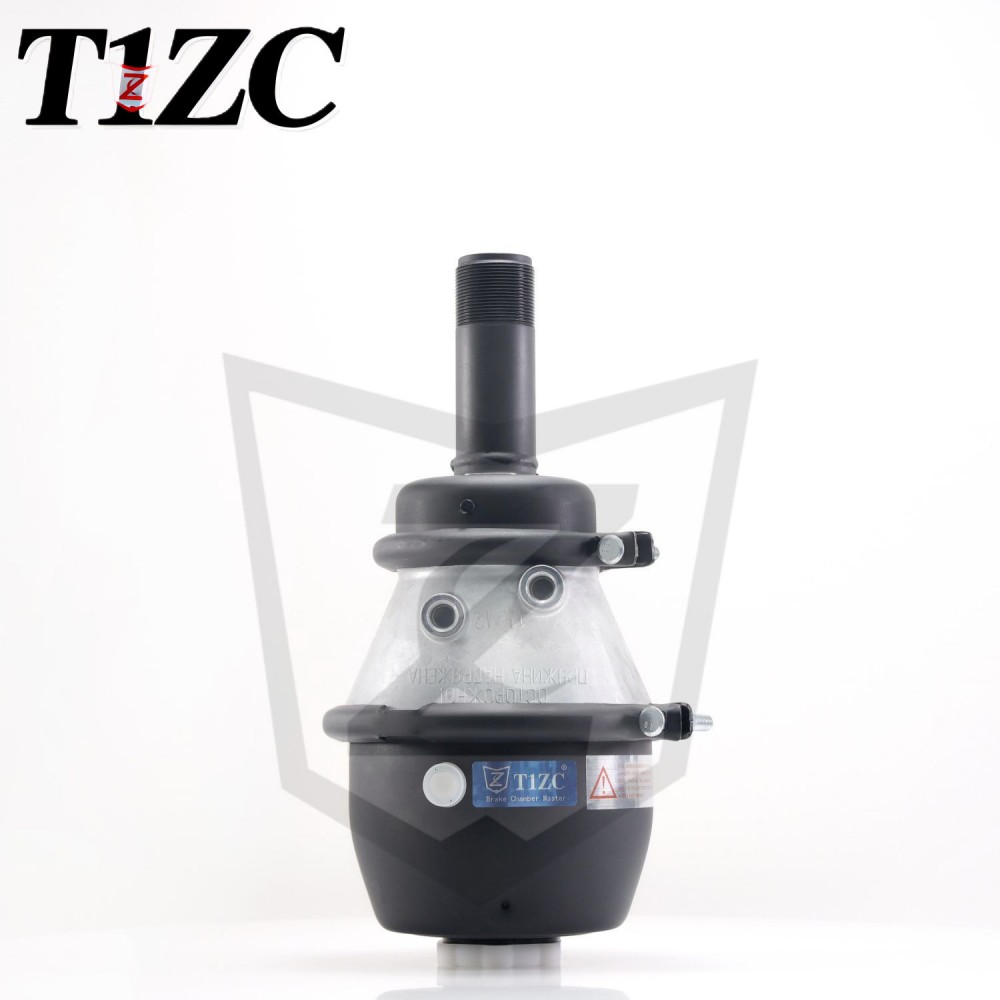
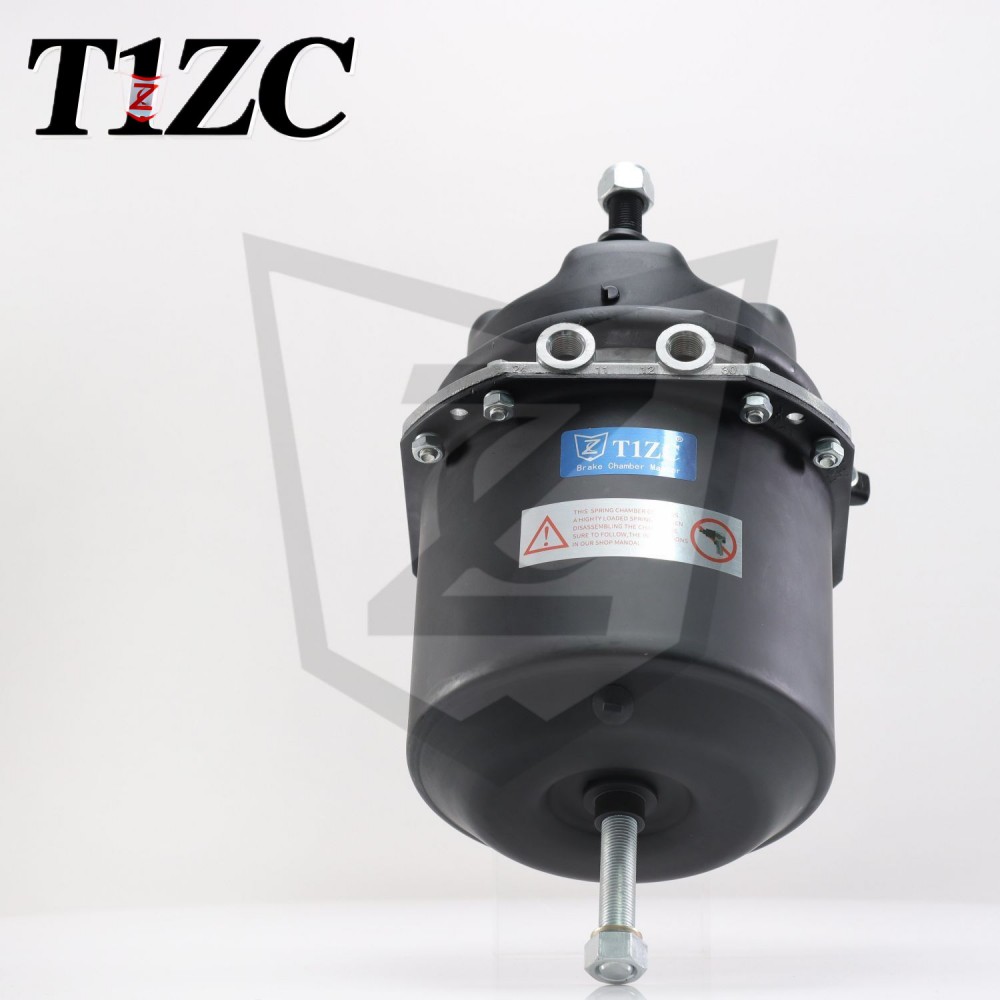
This brake chamber adopts a unique wedge-shaped design, combines advanced braking technology and high-quality materials, and is designed to provide stable, reliable and efficient braking performance t...
See Details -
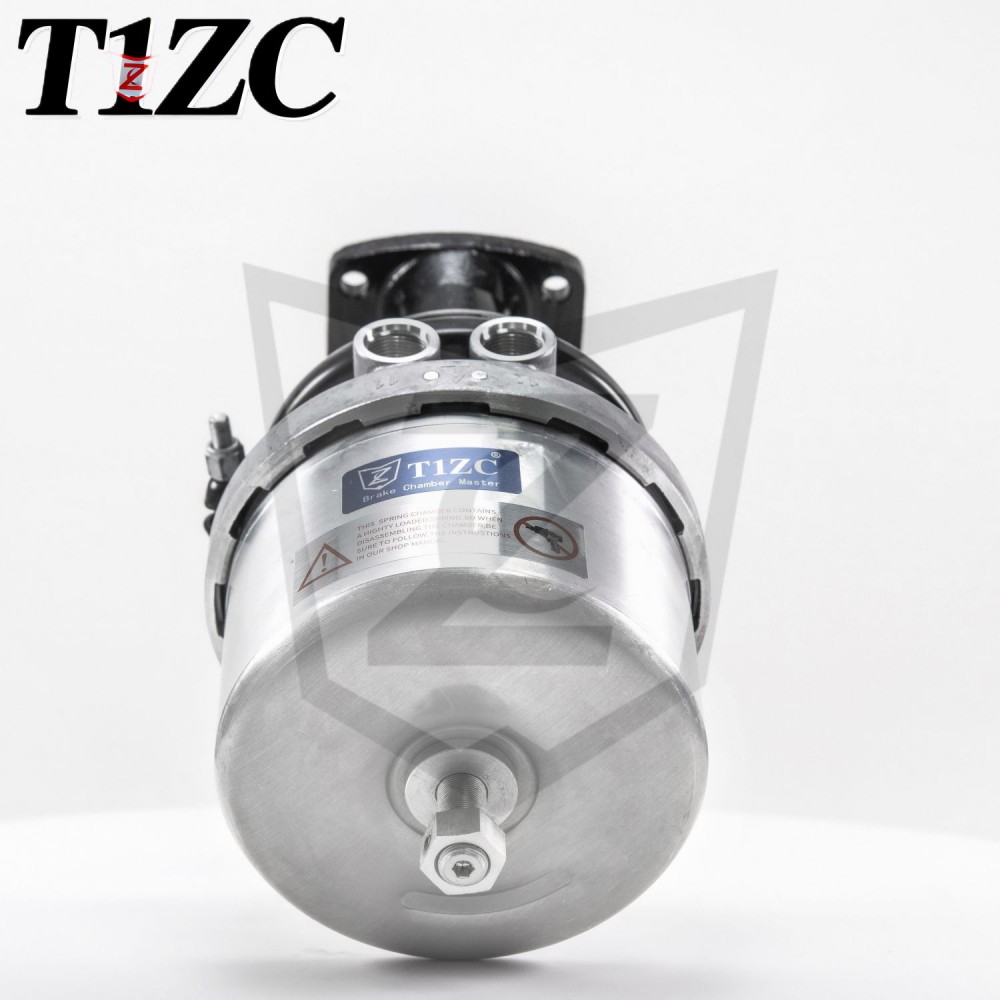
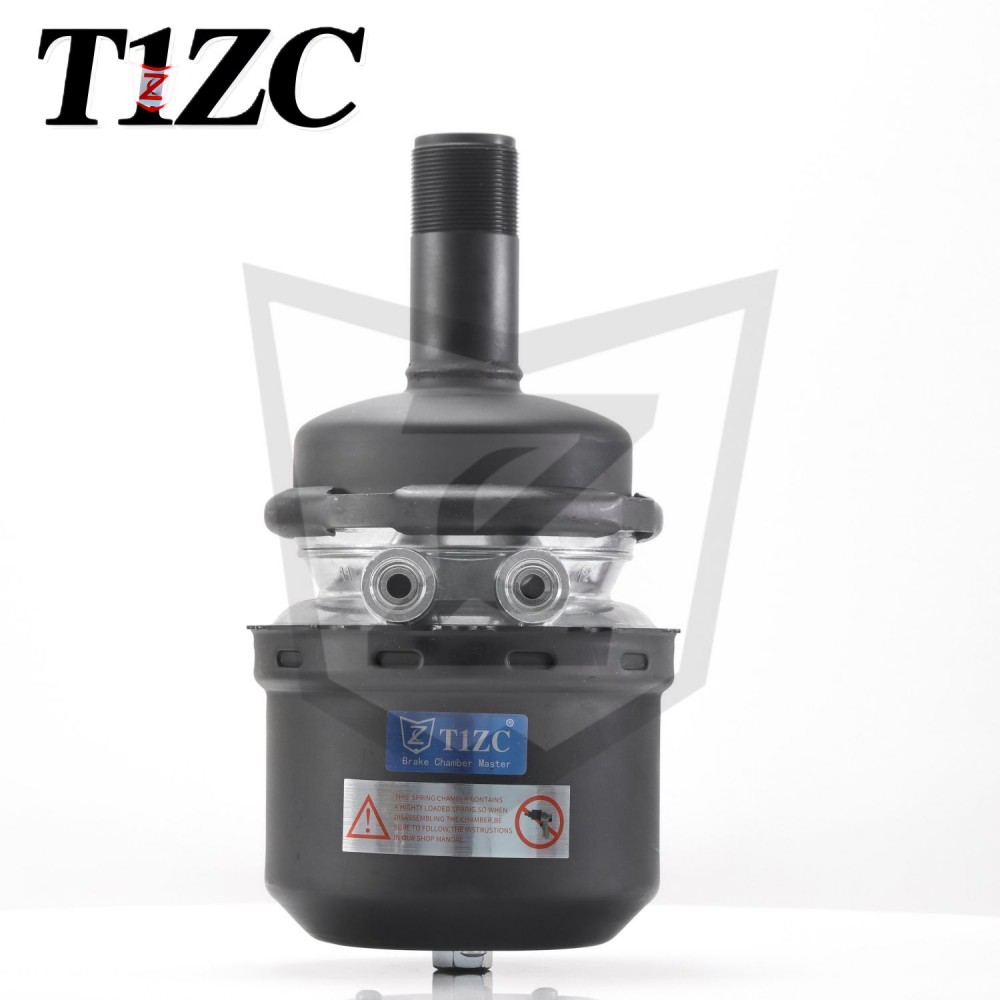
DP WEDGE BRAKE CHAMBER F-Series Regular Release This product is specially designed to meet the market's demand for efficient, stable and reliable braking systems. It uses advanced wedge braking techno...
See Details
CONTACT DETAILS
- Phone: +86-198 1775 0319
- TEL: +86-575 8909 8166
- E-mail: sale@t1zc.cn
- Office Address: 122-2 Busen West Road, Fengqiao Town, Zhuji, Zhejiang, China
If You Are Intrested
In Our Products,
Please Consult Us
Copyright © ZHUJI TEYI IMPORT&EXPORT CO.,LTD. All Rights Reserved.
China Brake Chamber Manufacturers
China Brake Chamber Supplier
